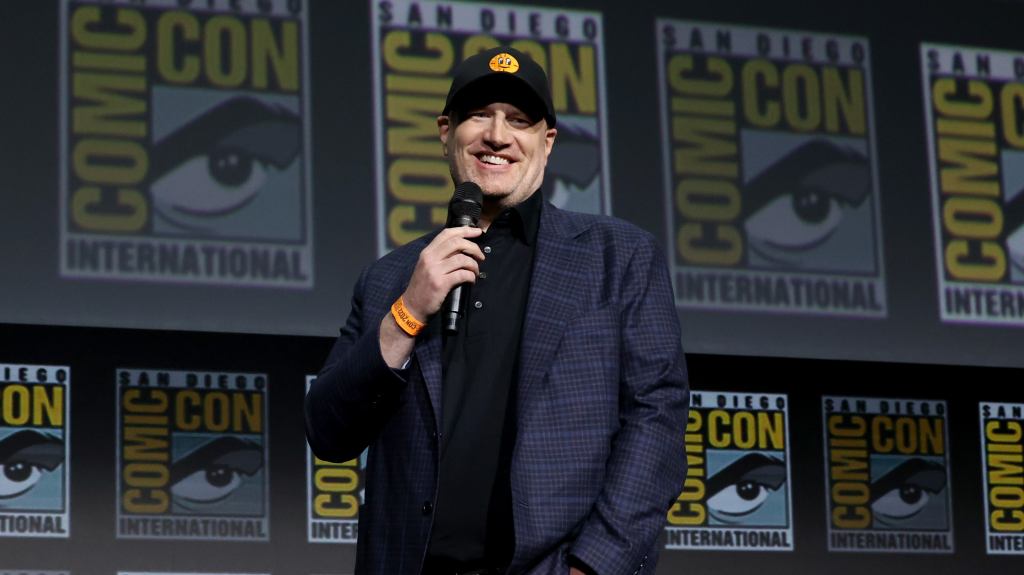
Kevin Feige told The Hollywood Reporter his contract has “two years, a little less” left on it. Run the math and that lands in 2027, right on top of Avengers: Secret Wars and the end of the Multiverse Saga. He has been at Marvel since 2000 and has run Marvel Studios as president since 2008.
He has also gotten quieter about what comes next than he used to be, and the ground underneath him has shifted more in the last year than it has in the previous fifteen.
He Is the Last One Standing
Kathleen Kennedy stepped down as president of Lucasfilm, with Dave Filoni and Lynwen Brennan taking over the division. On February 3, 2026, Disney named Josh D’Amaro as Bob Iger’s successor as CEO, with Dana Walden as president and chief creative officer. D’Amaro took over operations on March 18.
That is a new CEO, a new creative chief above the studios, and new leadership at Lucasfilm, all inside a single year. Feige is the one holdover from the structure that built the modern Disney film business, and his paperwork runs out at the exact moment the MCU resets itself.
Worth stating plainly before anyone panics: Deadline has reported that industry insiders do not expect Feige to step down anytime soon. He is deep in both Avengers films and the X-Men relaunch. A contract expiring is not a resignation. It is a negotiation.
But the succession conversation is happening anyway, because the job eventually goes to someone.
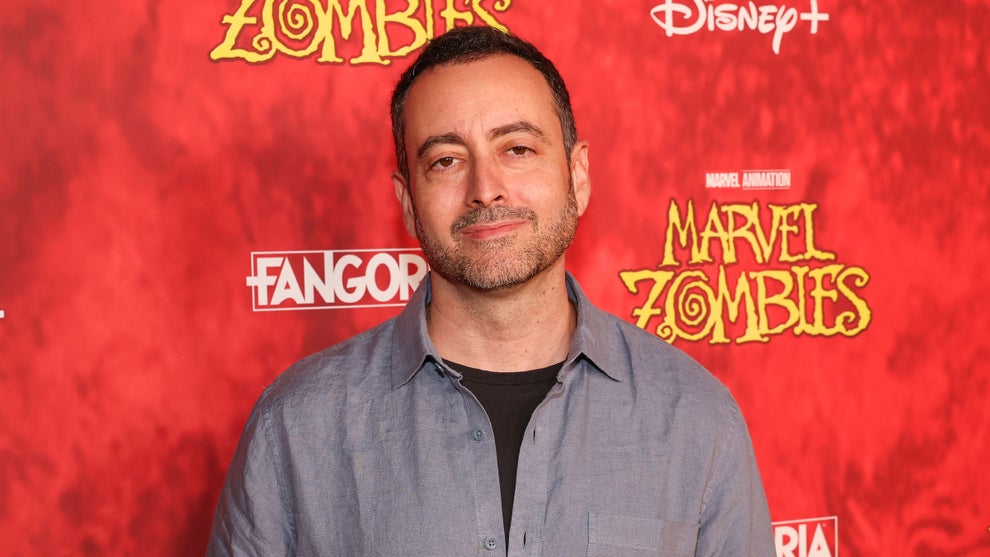
Brad Winderbaum Is the Obvious Internal Answer
Winderbaum is head of Marvel Television and Marvel Animation, and his history with the company is almost comically on the nose. He started as an assistant to Louis D’Esposito on Iron Man. He has been in the building for the entire run.
What makes him interesting is the same thing that makes him risky. Running the television side means he is the executive most comfortable pulling from the deep bench, the Moon Knights and Ms. Marvel, and Werewolf by Nights rather than the guaranteed names. If Marvel needs a next generation of characters after the reset, that instinct matters. Put him in the chair and a Midnight Sons project probably moves fast, because he has spent years greenlighting the darker corner of the catalog.
The counterargument is the last twelve months. Wonder Man was renewed for a second season on March 23, 2026, then canceled by the end of July, despite sitting at 91 percent with critics on Rotten Tomatoes. The showrunner’s read was that Disney and Marvel made an internal call that the show no longer made sense to them, months after deciding that it did. X-Men ’97 season two arrived after rewrites and an ongoing public dispute with fired creator Beau DeMayo, who has sued the company and made allegations Marvel disputes.
Some of that is above Winderbaum’s pay grade, and Disney’s overall retreat from streaming volume is a corporate decision rather than a creative one. But it is his division, and the person who inherits Feige’s job inherits the record.
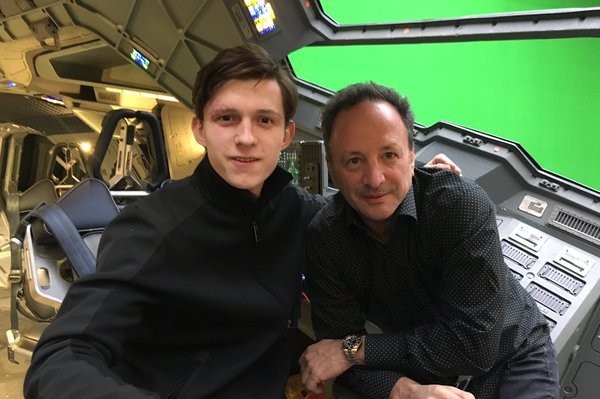
Louis D’Esposito Needs a Partner
D’Esposito is co-president of Marvel Studios and the operational engine of the place. He knows how the movies actually get made better than almost anyone alive.
What he does not have is Feige’s creative voice, and Feige’s job has always been both. That is why the D’Esposito version of this only works as a pairing. Put him next to a filmmaker with taste and a rolodex and you have something. Ryan Coogler is the obvious name, and a Coogler pairing probably means Blade finally exists. Jon Favreau is the more interesting one, since he directed Iron Man, built the Mandalorian side of Lucasfilm, and has relationships on both the executive and creative sides of the table. With Filoni now running Star Wars, Favreau may have more room than he did a year ago.
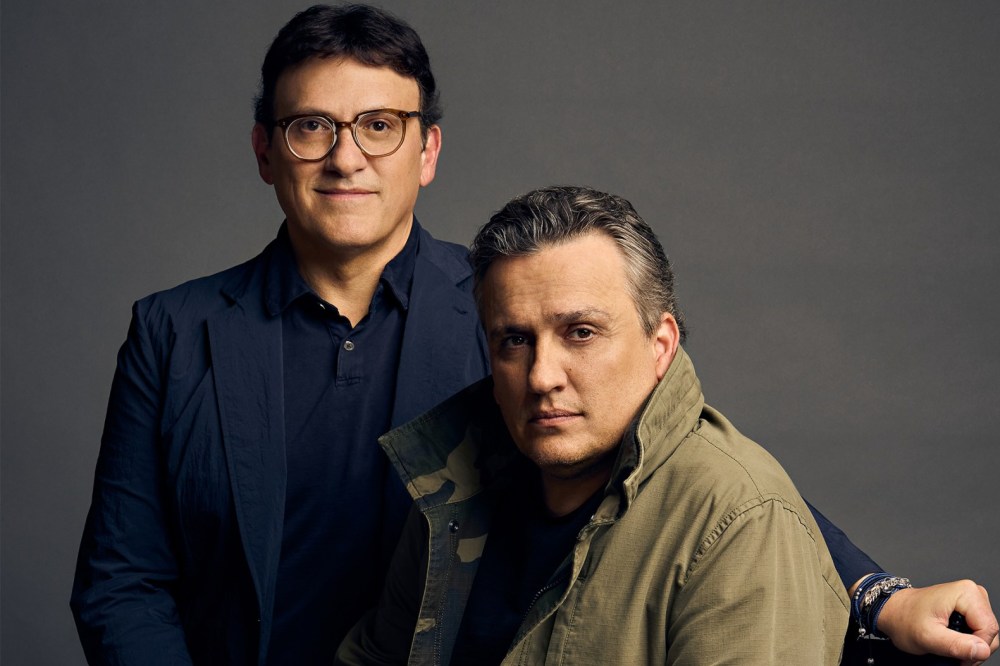
Marvel Could Just Copy DC
The pairing idea is not hypothetical. DC Studios runs on James Gunn as the creative half and Peter Safran as the business half, and whatever else you think of that slate, the structure is coherent.
The Marvel version might be D’Esposito paired with the Russo brothers. Marvel already made the tell there. When the Kang plans collapsed and the studio needed the Avengers films fixed, the first call was back to the Russos. Whether that was a triumph or an admission depends on your mood, but it happened.
There is also a looser version of this, closer to a creators-first model, where the studio bets on filmmakers with specific voices rather than a single central architect. Thunderbolts and Wonder Man were both real swings in that direction, which is either encouraging or a warning depending on which one you look at.
The Wild Card
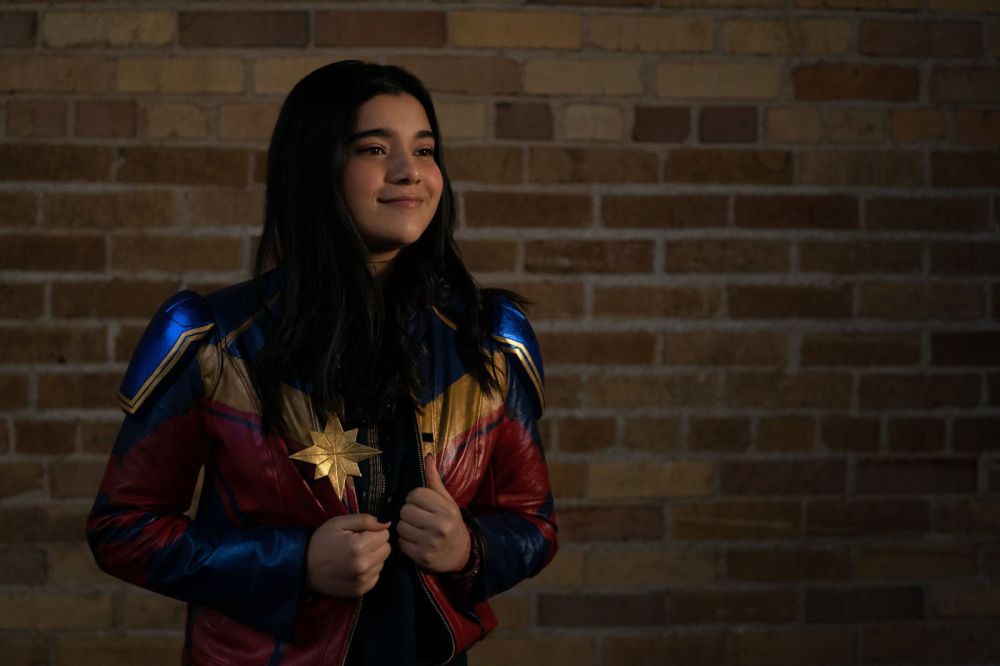
Iman Vellani. Not now, and she would be the first to say so, but the argument is better than it sounds.
She came into the MCU as a fan who happened to get cast, and she talks about this universe the way the audience does rather than the way executives do. Since Ms. Marvel, she has written a Kamala Khan run and moved into writing comics beyond Marvel. That is someone building actual creative credentials in the source material, not just an actor with opinions.
Give it five years and a mentor. If Feige renews through the X-Men transition anyway, that runway exists.
The Likeliest Outcome
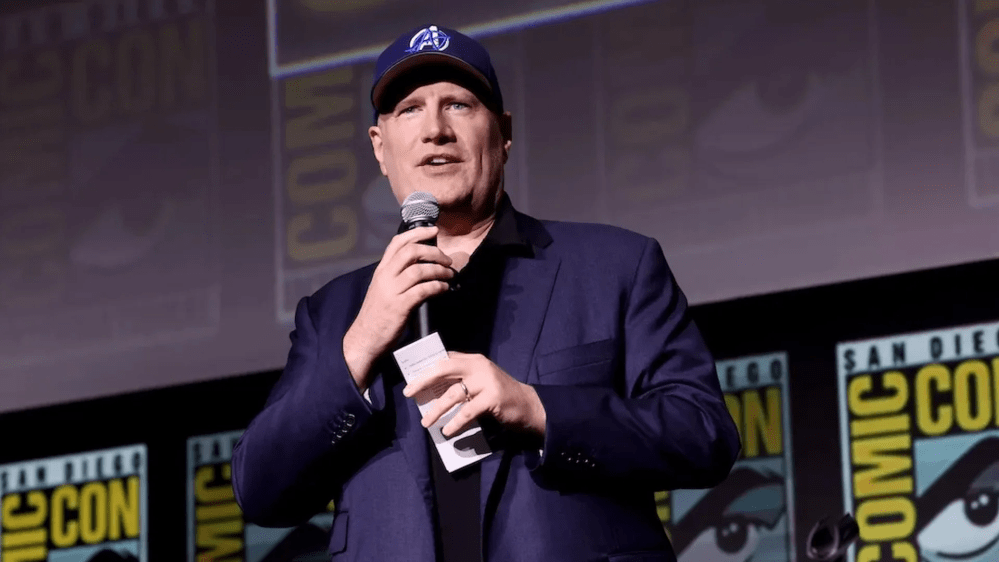
Feige renews. He has said he wants to keep making large-scale movies for large audiences well into the future, Deadline’s reporting points the same direction, and handing off a franchise mid-reset is the worst possible timing for everyone involved.
Five more years gets the next saga on its feet and gives whoever is next something to inherit besides a reboot in progress. Whether that is what Feige wants after twenty-seven years is a different question, and it is the only one that actually matters.
Sources: Nerdist | MovieWeb | The Hollywood Reporter | Variety | Deadline





Leave a Reply