Lanterns spent eight weeks testing my patience with damaged characters and a slow-burn mystery, then delivered a finale so strong it made the entire season land.
John Stewart, the Cowboy Lantern
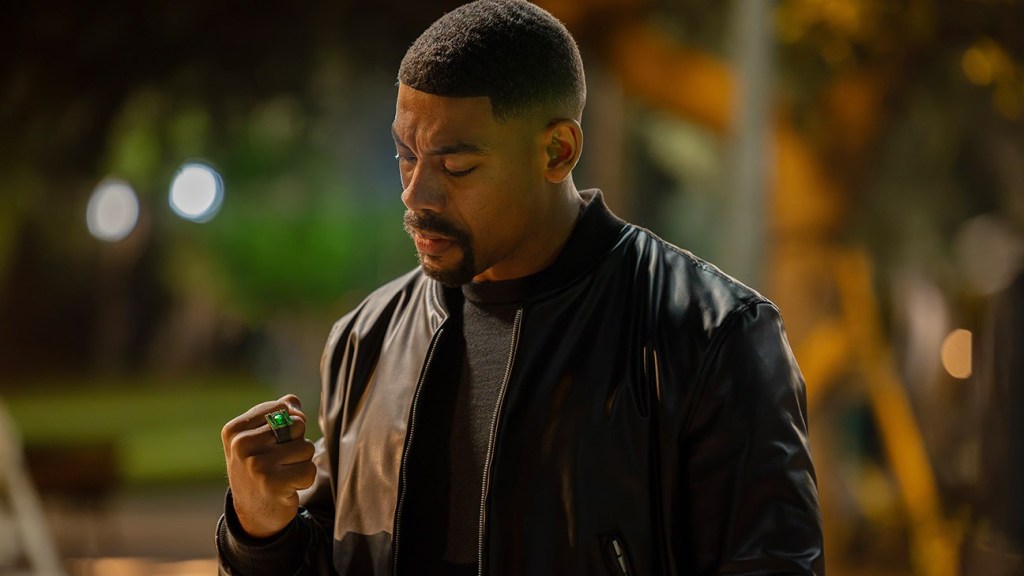
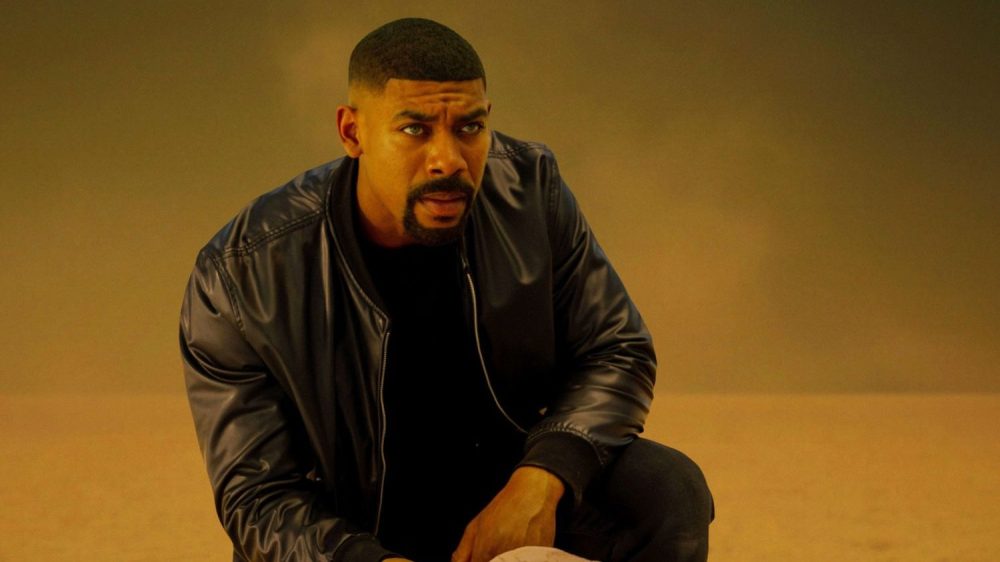
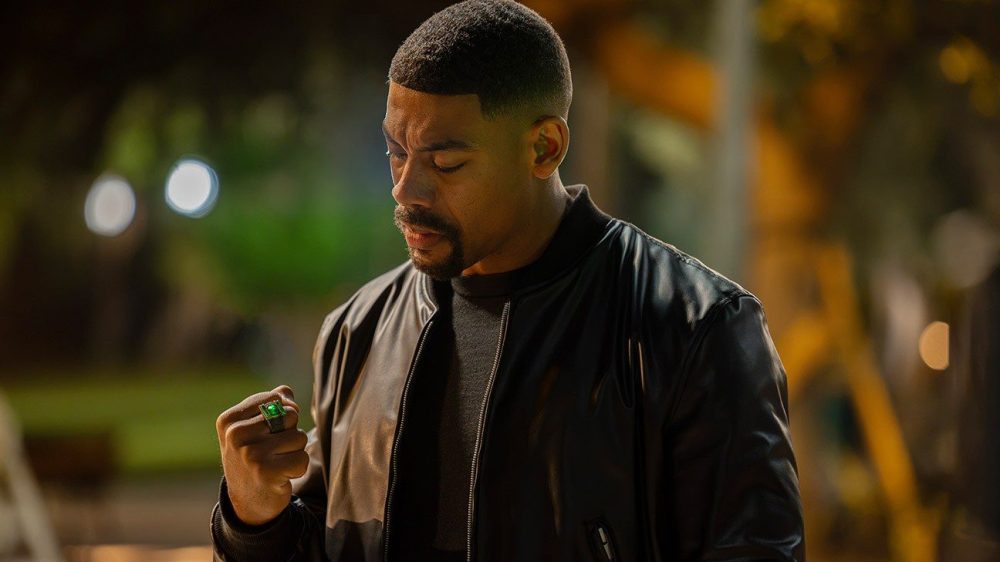
Lanterns made me fall for John Stewart all over again, in a way I didn’t see coming. Aaron Pierre is spectacular in the role, but the performance is only half of it. The writers built a John who carries the spirit of Hal Jordan, Guy Gardner, and the John Stewart I grew up with, then turned him loose in a universe where the rest of the Corps behave like cops on a beat.
The phrase I keep landing on is the cowboy Green Lantern. Guy Gardner, played again by Nathan Fillion, wears the ring and follows the badge. John Stewart operates on his own code. Guy Gardner is a Green Lantern. John Stewart is the Green Lantern.
Kyle Chandler Gave Us Two Hals
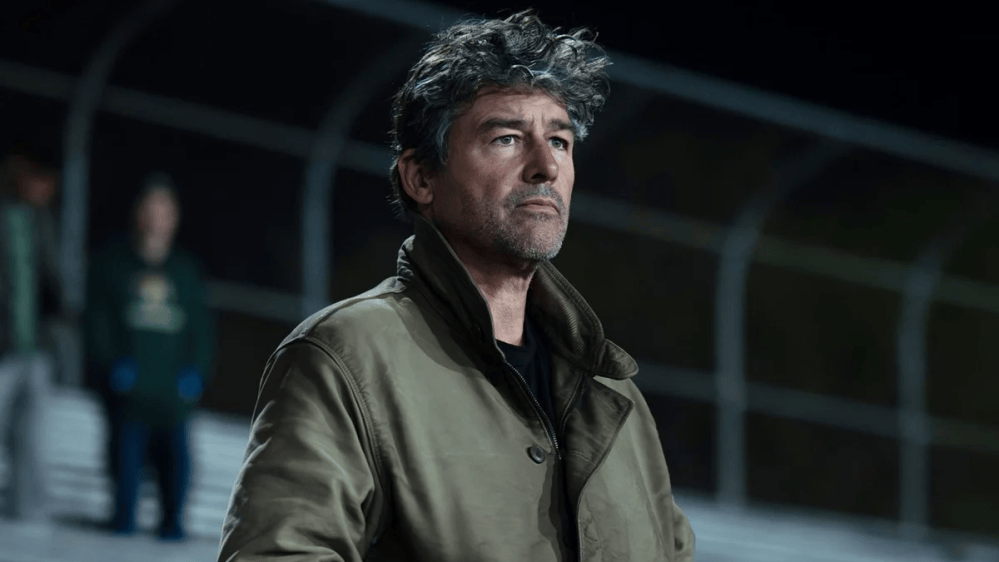
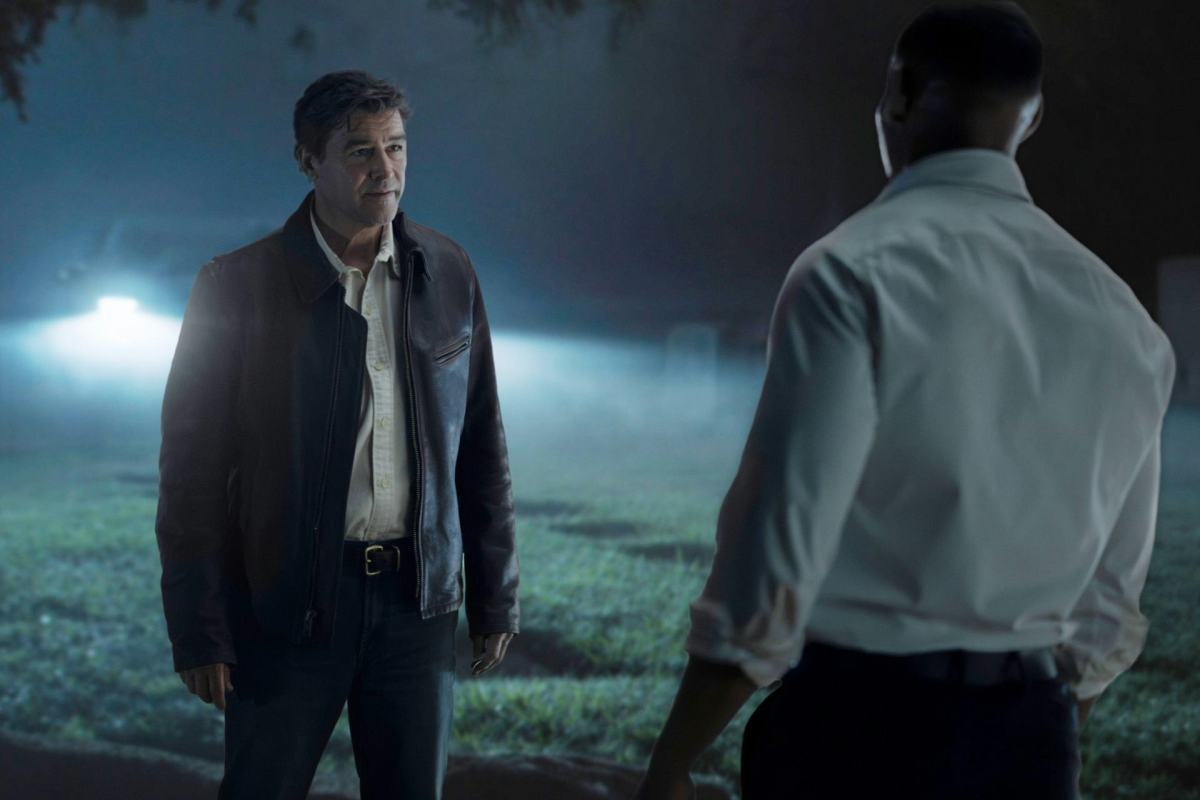
Kyle Chandler might be the best possible casting for Hal Jordan, and the show asks him to play two versions of the man. The 2016 Hal is stoic, beaten down, and frustrated with everything around him, including the recruit he’s supposed to be training. The younger Hal is the one comic readers recognize, with a line of hope still running through him. You can see the will coming through in his eyes.
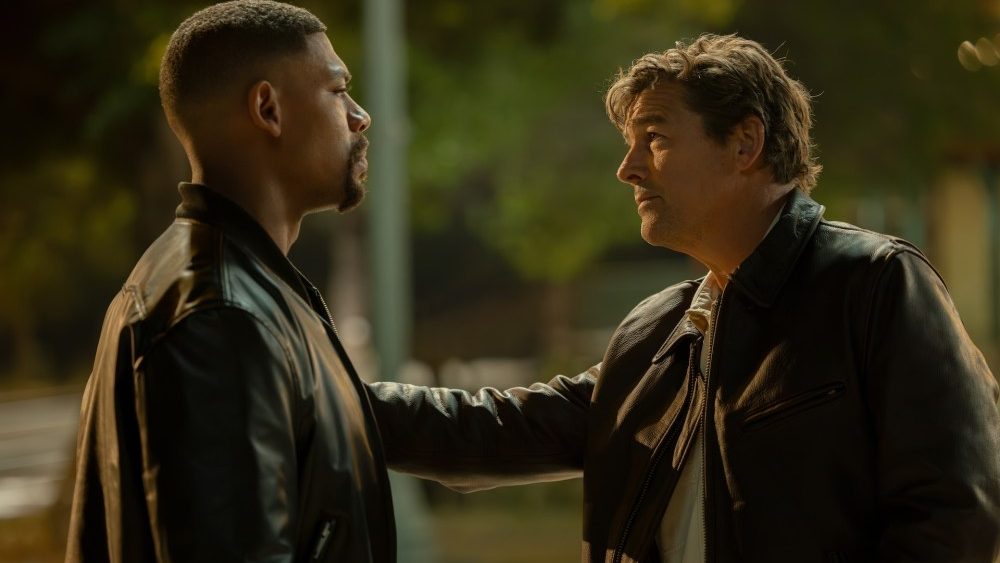
I disliked Hal early in the season. By the end I respected him, understood him, and cared about him. The more the show peeled back, the clearer it became how much Hal and John mirror each other. Both are creatures of their past trying to forge a future.
My one real complaint is how much the show limits Chandler going forward. With Hal dead and his presence reduced to a ring projection, the Halogram, his future in the wider DCU looks narrow. That stings, because I want more of this Hal.
True Detective First, Comic Book Last
Showrunner Chris Mundy, along with Damon Lindelof and Tom King, sold this as a murder mystery in Rushville, Nebraska, and they delivered one. Every week there was something new unfolding. My friends and I kept texting each other theories and trying to piece it together before the next episode dropped. Lanterns is a True Detective-style show first and a comic book adaptation last, and that order is the right one for this story.
Where the Villains Fell Short
The threat side of the season is where Lanterns stumbles. The Manhunter storyline shifted from Zoe to her grandson, Noah Macon, and once Zoe was out of the picture, she felt like she was never needed. The back half of the season had room to call back to her and didn’t take it.
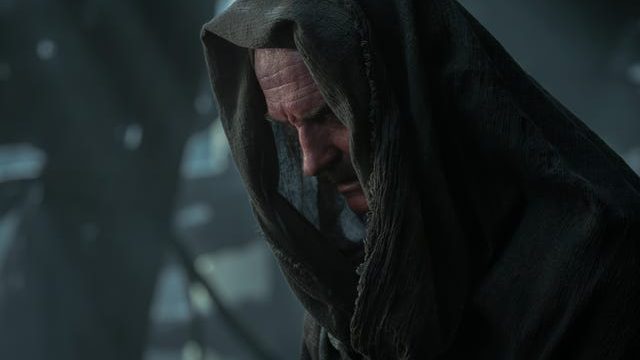
Antaan, the alien who abducted John early in the season, set up threads that never paid off, and that was a big mistake. Sinestro, played by Ulrich Thomsen, got far too little screen time. Part of that is probably deliberate, since he’s built to be a recurring villain, and dumping him into fear toxin water on that dead planet is a smart nod toward him losing himself to fear and eventually forming the Sinestro Corps. Even so, the season needed more of him.
The Finale: Dirt and Stars
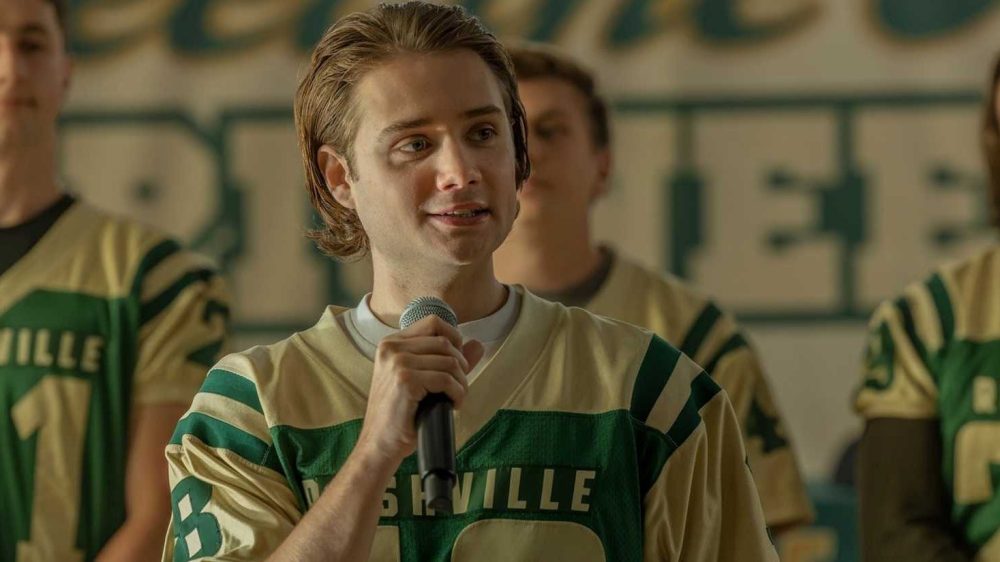
Noah’s speech at the end of the finale is the most ominous moment of the season. You can see a kid trying his best to stay hopeful while knowing he could take over this planet if he gives in to the whispers in his head. Watching it, my gut reaction was that John had to take this kid out.
John makes a different choice, one I would struggle to make myself, and that choice is why he’s a superhero. It also puts the weight of the mantle squarely on him. Outside of Noah’s mother, John is the only person who knows the truth, which means he has to become strong enough to stop Noah if Noah ever loses control. Keeping that kid in check is now his job, and it calls him to be a Green Lantern more than any ring ever could.
The ending finishes the story on its own terms. If we never hear about Noah again, everything worked. If we do, something went wrong. That open question is the design.
The finale also lands the theme the whole season was building toward, the idea that nurture can win out over nature. Sinestro believes the Manhunter programming will make Noah a Manhunter no matter what. The heroes bet that hope, redemption, and will can break that programming. John admits he carried his own version of it, the fear of failure and everything that came with it. Noah’s programming is Manhunter code. John’s was fear. Both can face what they’re afraid of and become something new, something wholly their own, the best version of themselves.
Where Lanterns Leaves Us
There were stretches midseason where I wasn’t sure this show could satisfy me. The slow mystery and the purposefully damaged characters had me bracing for disappointment. The finale changed that. Without it, the season would have suffered. With it, everything that came before clicks into place.
I’m excited to see where John takes the independent Green Lantern next, especially with Pierre and Fillion both set for James Gunn’s Man of Tomorrow in 2027. As much as I wish Hal were alive, Sinestro’s words leave room for hope, and the Hal we do have in the ring projection is the best version of him we could ask for. Add Sinestro waiting in the wings and a Manhunter story about hope overriding programming, and I walked away from Lanterns thoroughly impressed.




Leave a comment