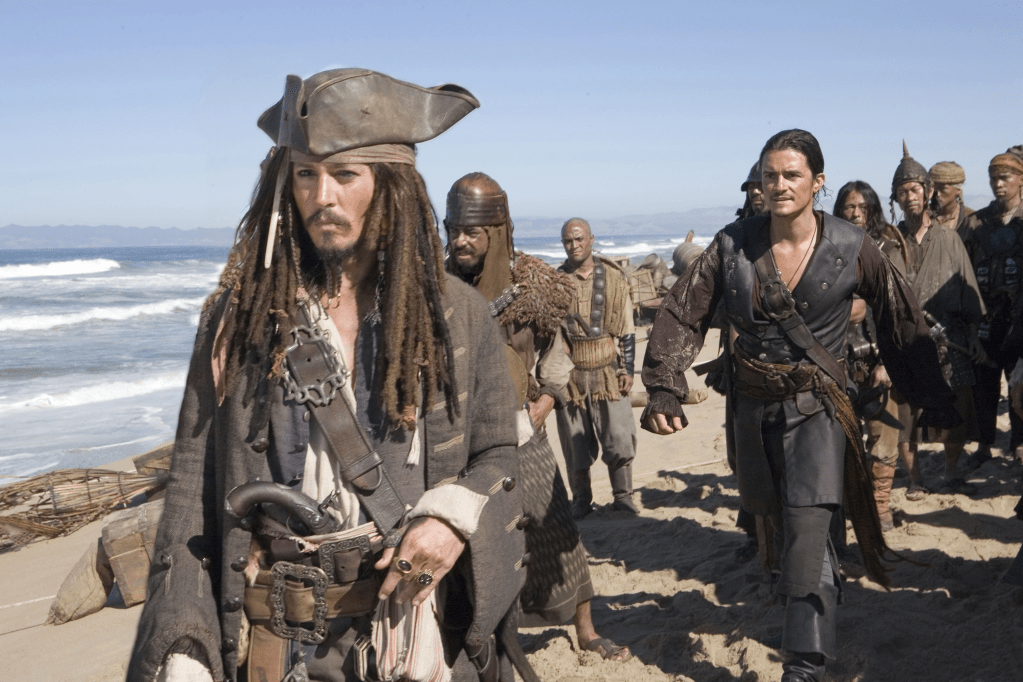
For a while there were two Pirates of the Caribbean scripts in development at Disney, running in parallel to see which one stuck. One was built around Margot Robbie as a new lead. The other was a full reboot with a fresh cast, written by The Last of Us creator Craig Mazin.
Only one survived. Jerry Bruckheimer signaled as much when he said one of the two had dropped out, and the reporting since has been consistent that the Robbie version is the one moving. Krysty Wilson-Cairns, who wrote 1917, is on the script, and the project became a priority under new Disney CEO Josh D’Amaro, with Dana Walden greenlighting the move forward.
The story reportedly centers on Robbie’s new character alongside Jack Sparrow’s son.
Depp Is Being Negotiated Back In as a Supporting Player
At D23, Bruckheimer confirmed the obvious question directly. “We’re talking with Johnny, we’re working on a screenplay,” he said, adding that he hopes they can get it done.
Deadline’s sourcing fills in the shape of it. The sixth film would be built around Robbie’s protagonist, with Depp’s Jack Sparrow occupying a side role rather than the center. Nothing is signed. Depp said in 2022 he was done with the franchise after Disney distanced itself from him, and no deal has been announced since. But the door is open and the producer has been openly holding it.
That structure is the correct call, and it is worth saying why. The recast idea, a younger version of the original cast, was never going to work. Nobody can play Johnny Depp playing Jack Sparrow. Go to Disneyland and watch someone give it an honest professional effort and you still spend the entire interaction clocking that it is not him. The performance is too specific to be inherited. Sparrow either comes back attached to the actor or he does not come back.
Putting Robbie in front and Depp beside her solves both problems at once. The franchise gets a lead who can carry a new run of films, and it keeps the one element audiences actually turn out for.
The Script Is the Part Worth Worrying About
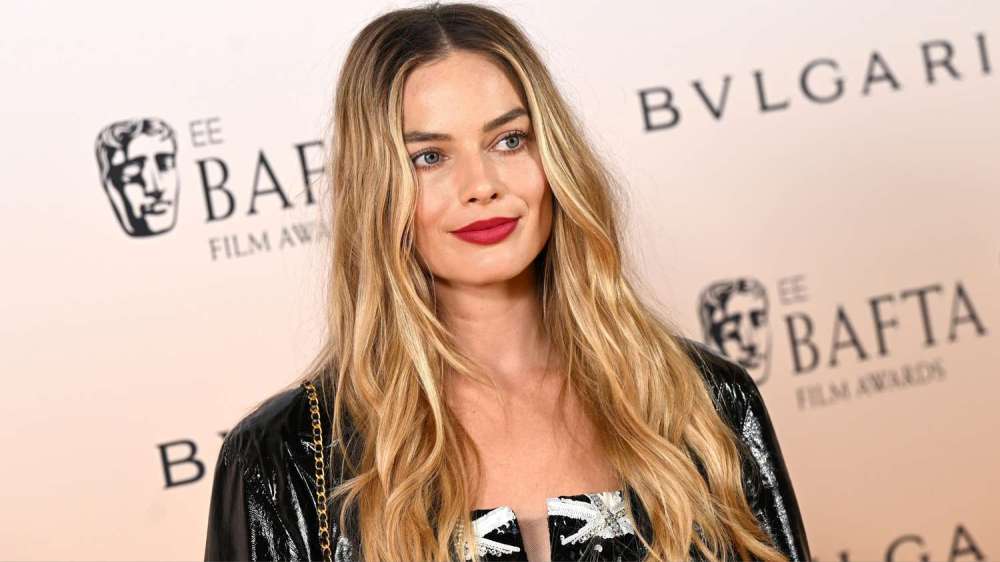
Here is the concern with the Robbie version, and it is not about Robbie, who is one of the most reliable leads working.
The predictable draft writes itself. Girl watches pirates from shore. Girl is told she cannot do it. Girl does it anyway. Everyone who doubted her is impressed. That is not a Pirates movie, it is a template with a pirate skin on it, and audiences have gotten fast at spotting it. The last several years have trained people to identify that arc in a trailer and check out before the ticket goes on sale.
Disney does not need to invent an alternative. There is one sitting in the historical record.
The Actual Pirate Queen
Zheng Yi Sao, also recorded as Ching Shih, was born around 1775 in Guangdong and worked in a floating brothel in Canton before marrying the pirate commander Zheng Yi in 1801. When he died in 1807, she took over the confederation rather than being passed over for it.
What she built afterward has no equivalent in the Caribbean stories anyone knows. At its peak between 1808 and 1810, her confederation ran somewhere around 1,800 vessels with contemporary Qing estimates putting her manpower between 50,000 and 70,000, with some accounts going higher. Blackbeard, for scale, never commanded more than four ships.
The Qing imperial navy could not beat her. Neither could the British East India Company or the Portuguese, working the same coastline. She was not defeated. In April 1810 she sailed into Canton with her fleet and negotiated her own terms, and roughly 17,000 of her people were pardoned in the settlement. Her second-in-command, Cheung Po Tsai, a fisherman’s son who had been abducted into the fleet as a teenager and who she married as part of the arrangement, walked out of it with a colonel’s rank in the Qing navy and ships of his own. She kept the money, ran a gambling operation in Macau, and died in 1844 at 69.
She was not a hero, and a good version of this would not pretend otherwise. Her confederation terrorized the southern Chinese coast, and civilians were robbed, killed and sold. That is the part that makes the story interesting rather than the part to write around.
None of that requires anyone to be told they cannot do something because they are a girl. She starts competent and gets more dangerous, and the tension comes from holding a coalition together and knowing exactly when to convert a winning position into an exit.
The Obvious Complication
Zheng Yi Sao was Chinese, and Margot Robbie should not play her. That is not the pitch.
The pitch is the shape. Take the structure, the rise into command, the coalition politics, the fleet that outgrows the navies chasing it, the ending that is a negotiation instead of a hanging, and build a new character inside it. The Blackbeard material offers similar texture, the retirement that is not really a retirement, the crew that keeps working the rivers. There is a version of this that feels like history rather than a template.
The Money Argument
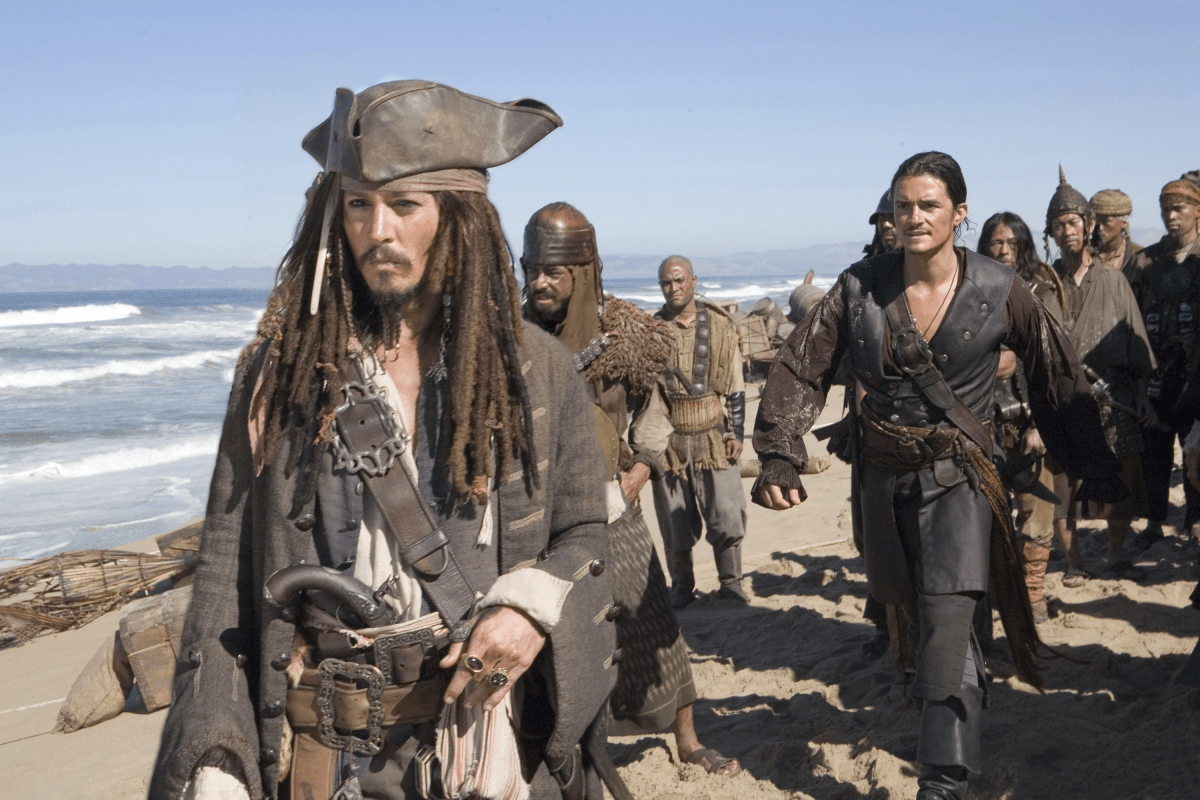
Dead Men Tell No Tales grossed $795.5 million worldwide and was still considered a disappointment, largely because domestic came in at $172.5 million against a reported $320 million budget. The franchise has taken in roughly $4.5 billion since 2003.
That is the opening for a cheaper, stranger movie. Keep the cast small, skip the expensive names, and clearing the franchise’s worst number becomes a real success rather than a bailout. The first film did exactly that in 2003, when Orlando Bloom was the recognizable one and everybody else got made along the way.
Sources: Complex | World of Reel | MovieWeb | World History Encyclopedia | Pirate Codex


 gfpods.com
Leave a comment