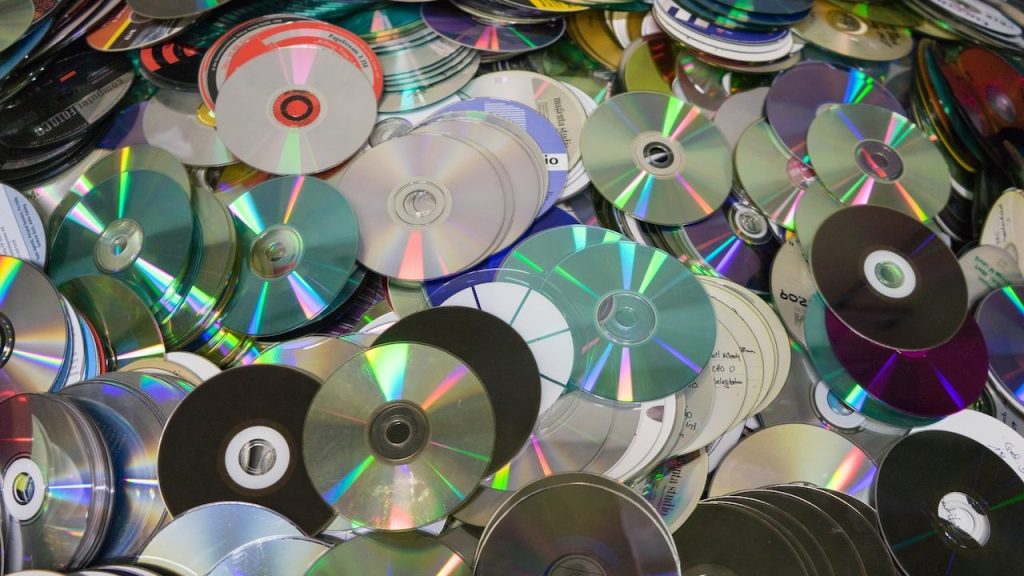
On a recent Geek Freaks episode, a simple question came up between rounds of vacation banter. Is it still worth collecting physical media in a world where everything is supposedly one search away? The answer, after some honest back and forth, was yes. Not out of stubborn nostalgia, though there is plenty of that, but out of something closer to distrust. Streaming has quietly changed the deal, and a shelf of discs is starting to look less like a relic and more like insurance.
You Do Not Own What You Stream
The core issue is ownership, and it always has been. When streaming arrived, the trade was clear even if nobody wanted to say it out loud. You pay a monthly fee, you get access, and you never actually own a single frame of it. That access can vanish whenever a licensing deal expires or a service decides a title is not worth keeping. Anyone who has watched a favorite film disappear from a platform overnight knows the feeling. You are not buying a movie. You are renting a promise that it will still be there when you want it, and that promise breaks more often than the marketing suggests.
Christmas movies are the perfect example. Every year around October and November, the hunt begins. Which service has the holiday classics this season? Some of them seem to hold those titles back on purpose, so you either wait or pay a few extra dollars to stream something once. Then you give up, drive to the store, and buy a physical copy of a movie you already owned twice before and misplaced. There are households with three copies of Christmas Vacation floating around somewhere, and a fourth on the way. It sounds ridiculous, and it is, but it is also the clearest sign that the streaming model has a gap physical media quietly fills.

Boycotts, Price Hikes, and Voting With Your Wallet
Then there is the money, which is where the frustration sharpens. Streaming prices keep climbing, and the value is not climbing with them. A price increase is fair when a product genuinely improves, or when the cost of making it goes up for reasons outside anyone’s control. That is understandable. What is harder to accept is a company posting record profits, handing executives massive payouts, and then charging subscribers more on top of it. That is not a cost problem. That is a choice.
This is where personal boycotts enter the picture, including a long stretch of skipping Netflix over exactly this pattern. The reasoning is basic market logic. If a company raises prices without adding value and everyone keeps paying, the message received is that the strategy works, so it continues. The only real feedback a customer can send is to stop buying. You make your point with your wallet, or you do not make it at all.
None of this means streaming has no place. For a small and steadily growing fee, it hands you a giant catalog and the newest releases the moment they land, and that convenience is genuinely great. The argument is not streaming or physical media. It is streaming and a real collection of the classics you never want to lose. Keep the service for discovery and everything new. Keep the shelf for the films that matter, the ones you refuse to let a licensing spreadsheet take away from you.
For more takes like this one, and the full conversation that started it, check out the Geek Freaks Podcast.

 gfpods.com
Leave a comment