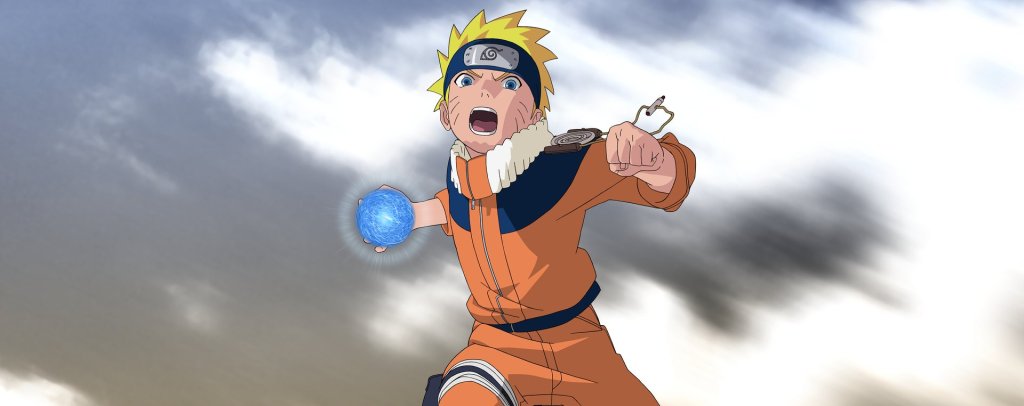
Lionsgate’s long-gestating live-action Naruto adaptation finally has real momentum. Director Destin Daniel Cretton, coming off Shang-Chi and Spider-Man: Brand New Day, has opened a worldwide casting search for Team 7: Naruto, Sasuke, and Sakura. And buried in the casting breakdown is the detail that actually matters most for whether this movie works: reports indicate the roles are being cast for actors playing around age 16, which places the film not at the beginning of the manga, but after its famous time skip, in the Shippuden era.
That’s the right call, and the reasoning behind it says a lot about adapting long-running source material for a single feature film.
What the Time Skip Actually Is
Masashi Kishimoto’s original manga opens with Naruto Uzumaki as a rejected, prank-pulling twelve-year-old academy student. About a third of the way through the story, the narrative jumps forward roughly two and a half years. Naruto returns from training a taller, more capable ninja. So do his friends and rivals. The tone shifts with them: the early chapters are largely about a lonely kid seeking acknowledgment through mischief, while the post-skip material is about war, loss, generational trauma, and the cost of the choices those kids made as children. Fans generally consider the years after the jump to be where the story’s best arcs live, from Sasuke’s descent into darkness to the slow-burn tragedy of the Uchiha clan’s history.
Why That Matters for a Movie
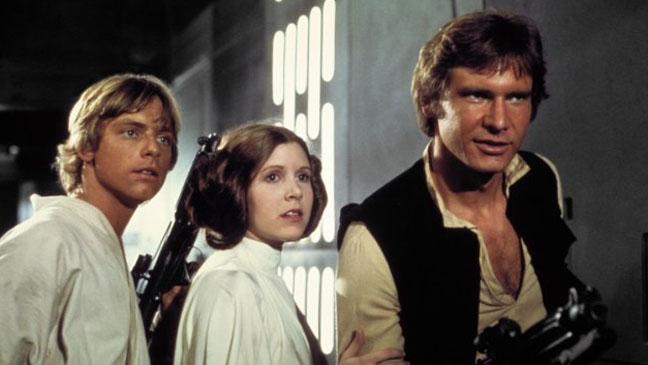
A single two-hour film cannot do what a 700-chapter manga and a 500-episode anime did, which is spend dozens of hours establishing who these characters are before asking the audience to care about what happens to them. Starting the story after the time skip solves that problem by design. The characters already have defined identities, established relationships, and real capability by the time the audience meets them. That means the movie can open with competence and stakes instead of an extended academy-days prologue, the same structural trick that lets a film like a Star Wars installment introduce a fully formed Jedi rather than restage years of training every time.
It also sidesteps a trap that’s sunk other anime adaptations before. The 2010 live-action Avatar: The Last Airbender tried to compress an entire season of character growth into one film and left audiences feeling like they’d watched a highlight reel instead of a story. Adaptations that succeed, like Netflix’s live-action One Piece series, tend to work because they trust the audience to meet characters already in motion rather than re-explaining every foundational beat from scratch. A Shippuden-set Naruto film gets to start with a ninja who already has a signature technique, a rival with a grudge already years in the making, and a village already shaped by loss, instead of spending act one teaching the audience what a shadow clone is.
The Emotional Case
There’s also a simple storytelling advantage to picking up mid-journey: regret and history hit harder than setup. The post-skip material is where Sasuke’s betrayal stops being schoolyard rivalry and becomes a genuine tragedy, where Naruto’s loneliness curdles into purpose instead of just comic relief, and where the story’s darker themes, orphaned children raised by war, inherited hatred passed down like a family curse, actually have room to breathe. A film built around that emotional register gives Cretton, a director known for character-first dramas inside genre spectacle, exactly the kind of material his other work has been good at. Kishimoto has said the story is bound for both spectacular action and real dramatic weight, and that combination is much easier to deliver when the characters walking into frame already have history behind them rather than a movie’s worth of table-setting still to do.
The Trade-Off
The obvious risk is alienating anyone who only knows Naruto as the orange-jumpsuited kid from early promotional art, and a single film still can’t cover the full scope of the post-skip saga, so Cretton’s team will have to pick one contained arc rather than trying to summarize years of manga. But that’s a narrower, more solvable problem than the one a Part One adaptation would create: a movie spending most of its runtime on academy exams and D-rank missions before the story actually gets interesting. Betting on the time skip is a bet that audiences would rather meet these characters at their most compelling, even if it means starting the story in the middle.

 gfpods.com
Leave a comment