House of the Dragon’s third season is the one that finally understood the shape of its own story. It opened fast, with real action and character work landing in the first hour instead of an hour of table setting. It closed even stronger at Tumbleton. The stretch in the middle, roughly episodes five and six, is where things bogged down, and I felt every minute of it. Put it all together and this lands better than season two and just about even with season one, which is a bar I did not expect the show to clear again.
Tumbleton Was the Whole Season Working at Once
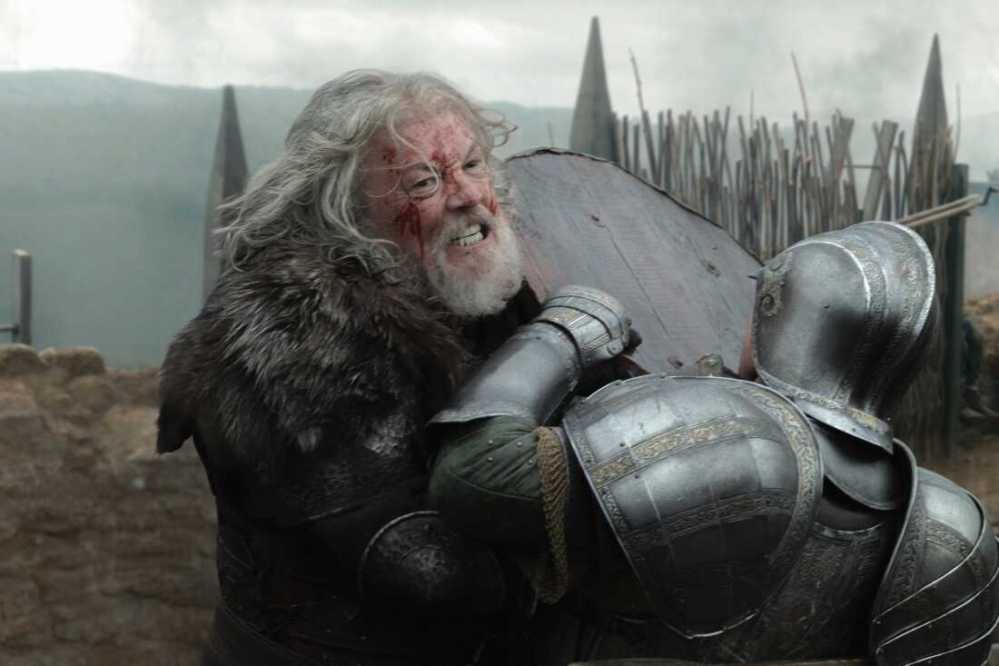
As a book reader, I walked in assuming Tumbleton would be a footnote, a stop on the way to something bigger. Instead the finale made it the point of the entire season, and it earned that promotion. The battle is visceral and grounded, and the smartest choice in it is restraint. Both sides hold their dragons back at first because nobody wants to be the one who torches a town full of people. That decision does two things. It keeps the fight human and desperate for as long as possible, and it sets the stage for how devastating it becomes the moment Ulf finally rides in and stops caring.
That is the thread I hope people follow out of this episode. Tumbleton is not really about which army wins. It is about Westeros starting to turn its back on the whole idea of dragons. Not team green, not team black, dragons. Ulf shows what one resentful man on a flying weapon can do to everyone beneath him, and the realm is watching. The seeds of every future uprising against the Targaryens are planted in that rubble. By the end, the message is hard to miss for anyone paying attention. Targaryens, and the dragons they ride, are bad for all of Westeros.
Rhaenyra Was Always Turning, the Finale Just Made You See It
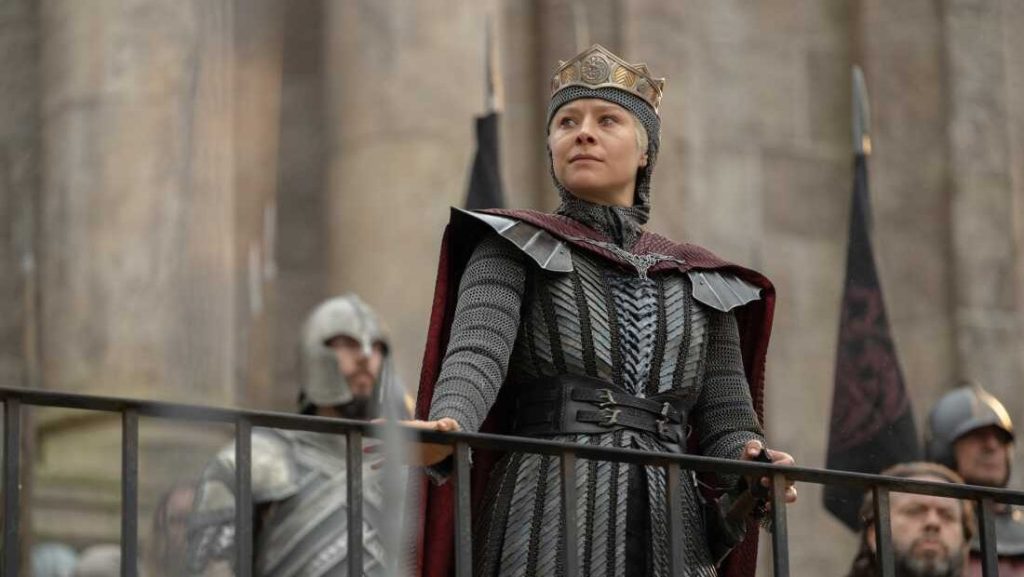
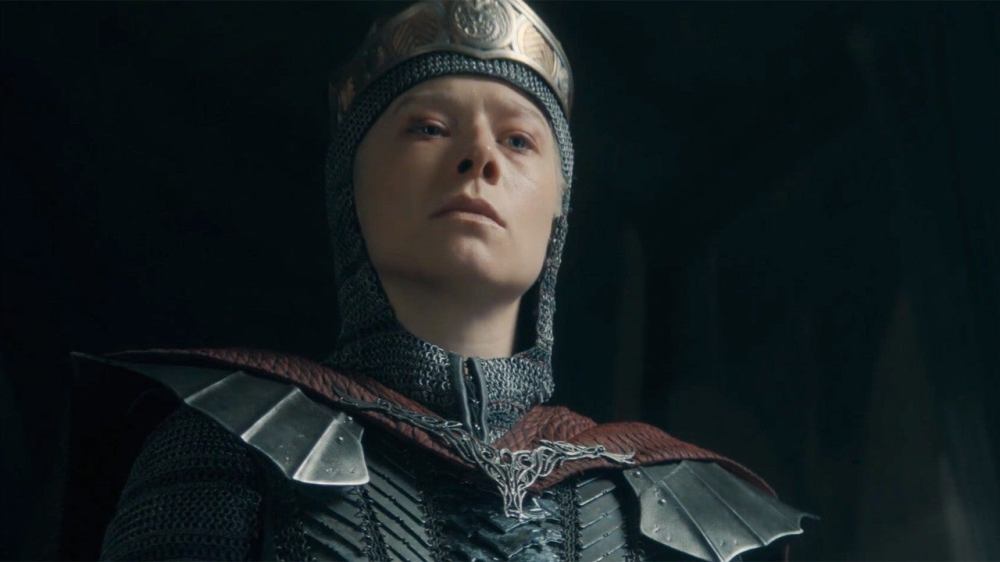
The talk online is that Rhaenyra had a sudden heel turn, a crash-out out of nowhere. I do not think that is fair, though I understand why it reads that way. The season built this slowly across its back half, mostly through small choices, and the show trusted you to notice. Watch the wardrobe. She trades her father’s court dress for riding leathers and trousers, dressing like a dragonrider ready for war rather than a queen keeping the peace. Her decisions drift the same direction. She stops governing the way Viserys would have and starts acting on the understanding that he was a peacetime king and she is not a peacetime queen.
Where I will grant the critics a point is the execution. The finale plays the biggest beats so aggressively that the transformation feels like a snap rather than the slow burn it actually was. The new look in that last episode, the moments where she quote unquote loses it on someone, all of it lands at once. The build was there. It just arrived all in a single episode instead of spreading the payoff across the run.
Ormund Hightower and Matt Smith Carried the Performances
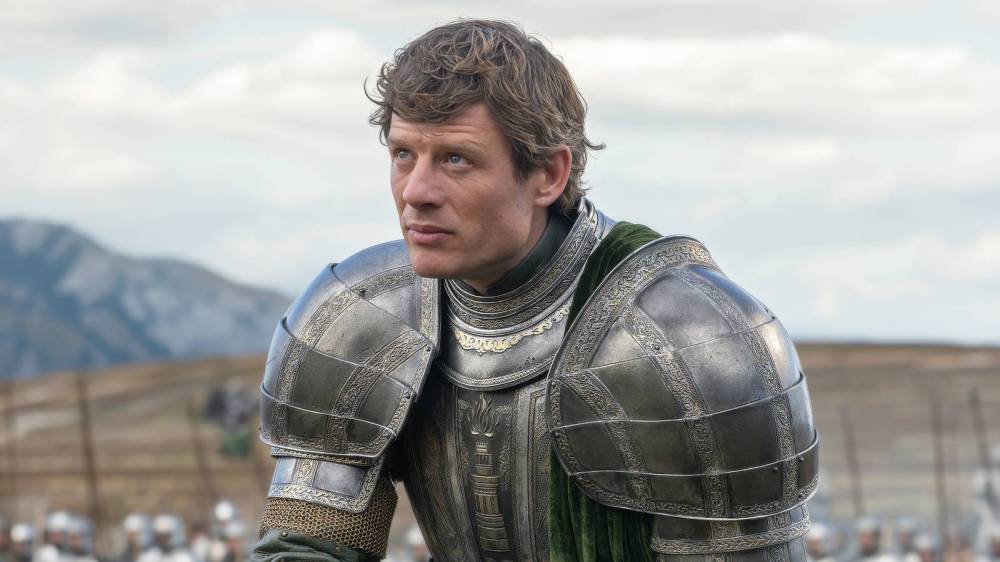
The standout for me is a character I cannot stand, which is the whole compliment. Ormund Hightower was introduced this season and made me loathe him inside of eight episodes. That kind of earned disgust usually takes multiple seasons to build. He plays greed and disdain for everyone around him at a level normally reserved for the worst Targaryens in the family, and pulling that off as a newcomer is a genuinely impressive piece of work.
The other high point is Matt Smith. Daemon spent season two spinning his wheels, and season three snaps him back into gear. The material finally gives him something to reckon with, chiefly the fact that he has been a bad father to Rhaena. Balancing the reveal of her ability to ride Sheepstealer against everything he never did for her, all of it tangled up with grief over Jace, gives Smith his best work in the role. This is the version of Daemon the show has been promising.
Harrenhal Is Still Where Momentum Goes to Die
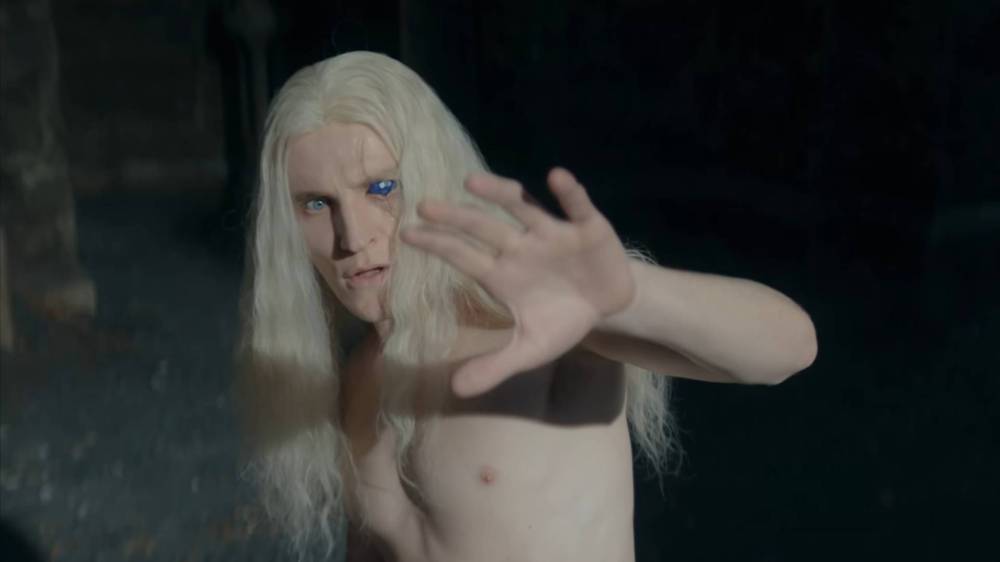
My biggest frustration carries straight over from season two, and it is Harrenhal. The place is dark and dreary, and set against the rich tapestry of the Red Keep it just underlines how little fun it is to be there. The stories rooted in that castle all look inward, into one character’s head, and that does not play on screen the way it plays on the page.
Alys Rivers is the clearest casualty. She stays underdefined for most of the season, and then when the show does give her more time, Aemond is suddenly acting as though she is the most important person in his life. We never watched that bond form. Yes, there is witchcraft in play. But if you are not going to actually show the magic, and you are also not going to show these two genuinely falling for each other, then the audience is left with no reason for Aemond to behave the way he does. The finale finally nodded at the supernatural side a little more, and that helped. Still, if the show will not commit to the magic, it needs to stop parking so much story at Harrenhal. I know we will be back, because one of the pinnacle moments of the entire Dance happens there and the fight over the God’s Eye is coming. I am just tired of the place.
The other soft spot is Criston Cole, whose arc this season mostly winds down and wanders off with very little drama attached. That is faithful to how his story goes, so I cannot call it wrong. It is just an ending rather than an event.
The Book Change I Can Actually Live With, and the One I Can’t
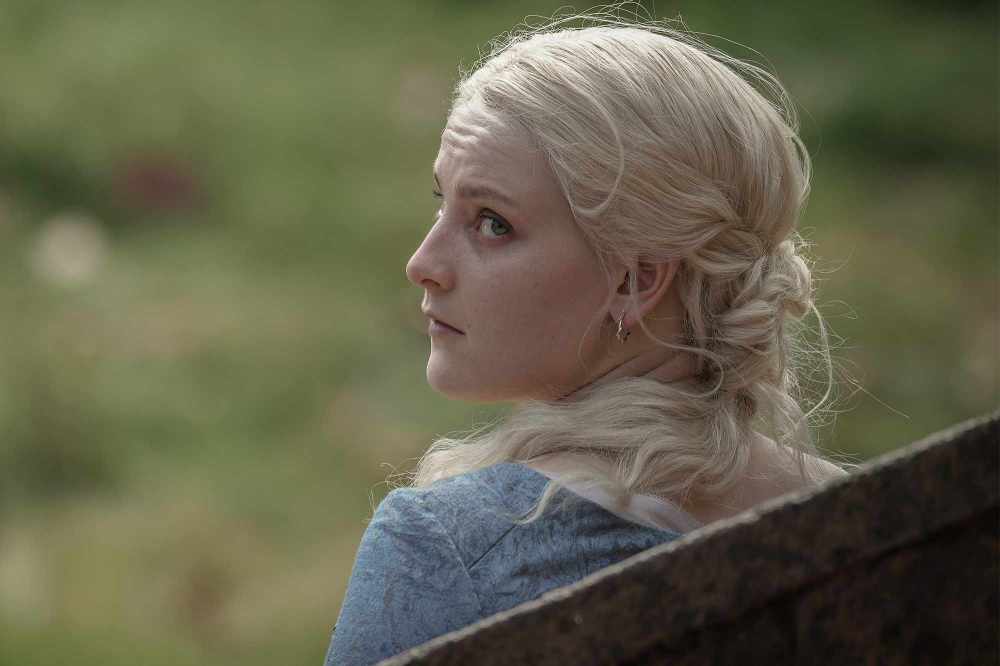
Adaptation means change, and I have made my peace with most of it. The Helaena alteration is the one lighting up the discourse right now, with George R. R. Martin himself pushing back on the showrunners, and I will admit those changes landed as okay rather than great for me. But I do not think anything they moved was so vital to the story that it breaks the show.
My one real problem is Nettles. Writing her out and folding her role into Rhaena was a mistake, because Rhaena is not given enough to actually fill that space. The Nettles and Rhaena thread had the makings of one of the more affecting stories in this stretch of the Dance, and the season wasted it. That is the change I keep coming back to.
The Board Is Level Again Heading Into the Final Season
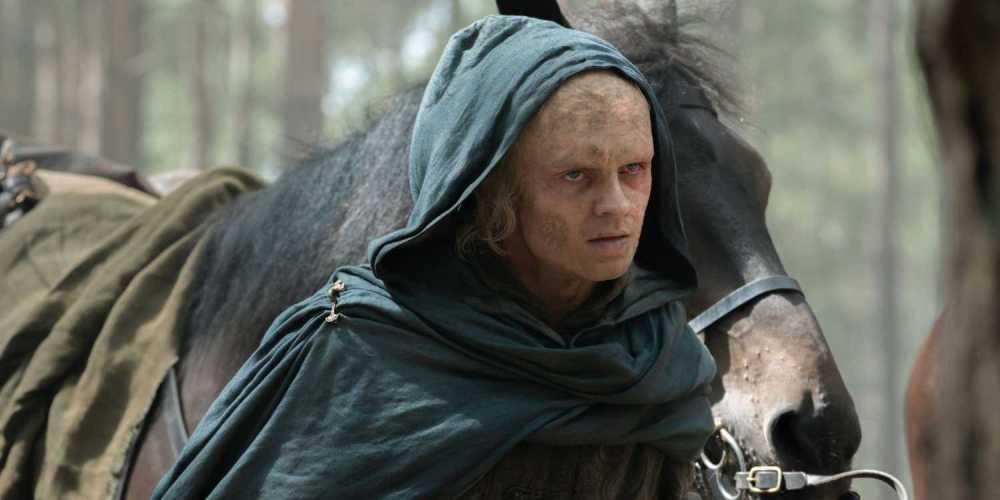
Here is what surprised me most about the finale. It reset the war. For most of the season, team black so thoroughly outgunned team green that the show started to feel like the aftermath of a war rather than a war still being fought. Then the finale rebalances everything in a single stroke. Aegon returns with something close to a mythical redemption arc. Aemond finds a place to point his loyalty again and a shot at redeeming his guilt over trying to kill his brother. Rhaenyra, meanwhile, collapses inward into tyranny. Seeing Aegon and Aemond back together made the two sides feel even for the first time in ages, and the war feels genuinely restarted.
The most interesting new force on the board is not any one person. It is Westeros itself. The smallfolk are turning on the Targaryens, and the lack of support the dragonriders are getting has been teased all season and is now locked in. Around that, the pieces are scattered and volatile. Ulf is loose and dangerous. Hugh the Hammer lost his wife, and that grief is going to have consequences. Driftmark is back in play. The clean two-team framing of green versus black is gone. What is left is the Targaryens tearing at each other while everyone caught in the blast radius scrambles to survive the last of the war.
A Strong Seven, Bordering on an Eight
Structurally, this season was built for the show watchers more than the book readers, and I mean that as a compliment. Season two spent its time prepping book readers for a battle it barely showed. Season three told a complete story, using Tumbleton as a slow tease across the whole run and then paying it off in full at the end, while quietly setting up the character problems still to come. Book readers may bristle at specific changes, but there is real pleasure in simply watching this much of Westeros brought to life, and with more of it arriving next year, I find myself willing to forgive a few liberties.
Call it a strong seven, close enough to an eight that I keep second-guessing myself. The peaks are almost entirely action, the capture of Rhaena and the dragons snapping at each other around it, the Gullet as a genuinely smart look at how sea battles work when dragons enter the fight, and Tumbleton towering over all of it. The valleys are character and location, mostly Harrenhal. Where it leaves us is the cleanest summary I can give. The war between green and black is finally level again, and everybody else in the realm is left paying the price for the Targaryens’ terrible choices.




Leave a comment