
Marvel Studios never held a press conference to announce that mutants live in the main MCU timeline. It just kept slipping them into the background, one project at a time, and Spider-Man: Brand New Day just added two more.
Roundups of the Earth-616 mutant roster started circulating on August 6, most of them landing on a count of eight. The real number is smaller, and the gap between those two figures is worth understanding, because the pattern underneath it says a lot about how Marvel plans to handle the X-Men reboot. There is no origin story coming for mutantkind. The studio has spent four years establishing that mutantkind was already here.

The Grey Sisters Changed the Math
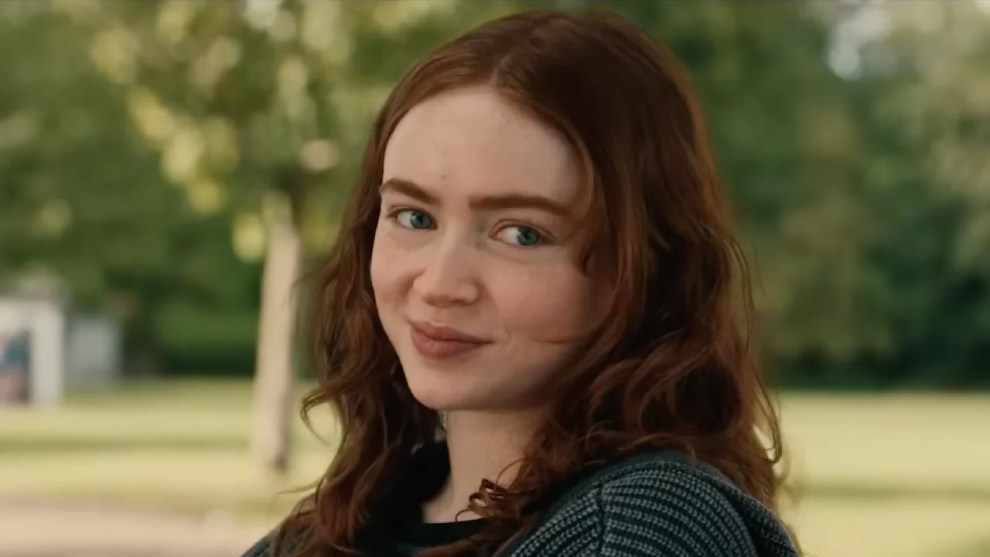
The newest additions are Sadie Sink’s Jean Grey and her older sister Sara, played by Olivia Booth-Ford, both established in Brand New Day.
Jean’s telepathy starts narrow, focused on possession, mind-hopping, and controlling other people’s bodies. Her abilities surge after she learns what happened to Sara and endures the Department of Damage Control’s experiments, expanding into stronger telepathy, telekinesis, and psychic feats that push her toward the Omega-level version comic readers know. Sara had telepathic powers of her own and manifested them around the same time Jean did, which made her Jean’s first teacher before DDC captured her. She died because their experiments pushed her past her limit, and that death drives everything Jean does in the film.
The detail worth sitting with is the backstory around it. The sisters were abandoned by their mother once their powers surfaced, which places an active wave of human mutants on Earth at least twenty years before the events of the movie.
Here is the catch nobody leads with. Brand New Day never says the word. Damage Control works hard to make Jean look dangerous, but the film never labels her a mutant, never mentions the X-Men, and never references mutantkind at all. Her status rests entirely on the fact that she is named as Jean Grey, and Jean Grey has been a mutant since 1963. That is a strong inference. It is not the same thing as an onscreen confirmation, and the roundups calling it explicit are overstating what the movie actually does.
The Roster So Far
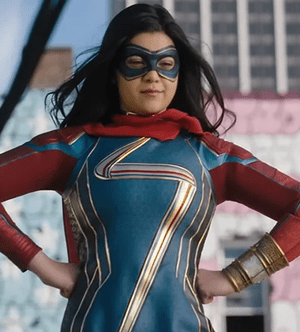
Kamala Khan was the first confirmed 616 mutant, back in the Ms. Marvel finale, when Bruno ran her genetics and found something unusual sitting underneath the bangle. The hard-light constructs and the embiggening both trace back to that mutation rather than to the Noor Dimension alone.
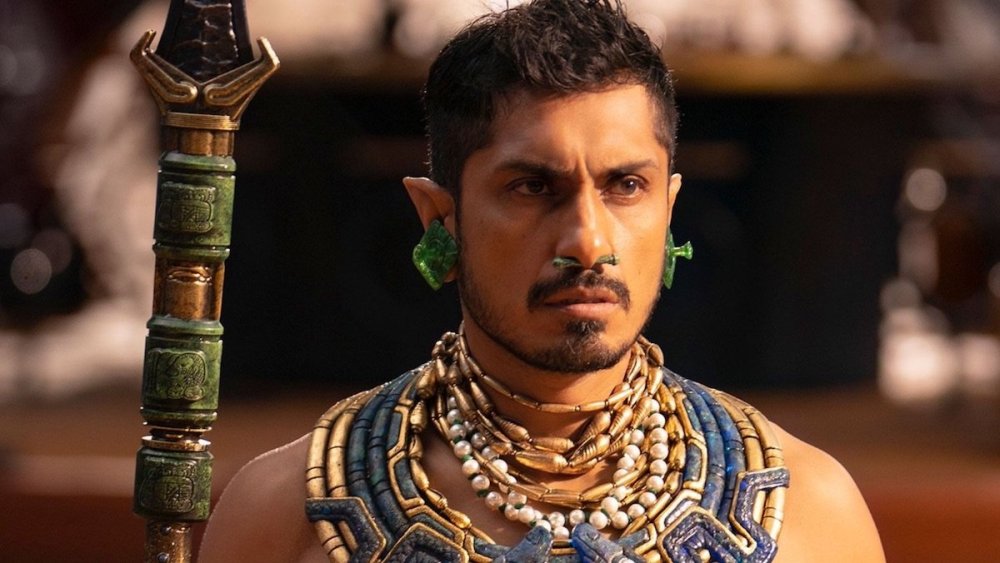
Namor confirmed his own status out loud to Shuri in Wakanda Forever. His mother ate a vibranium-infused plant while pregnant, and the result was a hybrid with the X-gene, ankle wings, amphibious breathing, and a lifespan approaching five centuries. That last part quietly stretched mutant history in the MCU back roughly 500 years.


Mister Immortal and El Aguila both turned up in She-Hulk: Attorney at Law without the show ever using the word mutant, or explaining where either man’s powers came from. Craig Hollis dies and comes back, mostly to escape marriages rather than to fight crime. El Aguila appears at Emil Blonsky’s wellness retreat wielding an electrified blade, which lines up with the bio-electric powers his comics counterpart draws from his X-gene.
Mister Immortal carries an extra complication. In the comics he is not quite a mutant. He is Homo sapiens supreme, a step past mutants on the same evolutionary ladder, which means even the comics-based inference lands him next to the category rather than inside it.
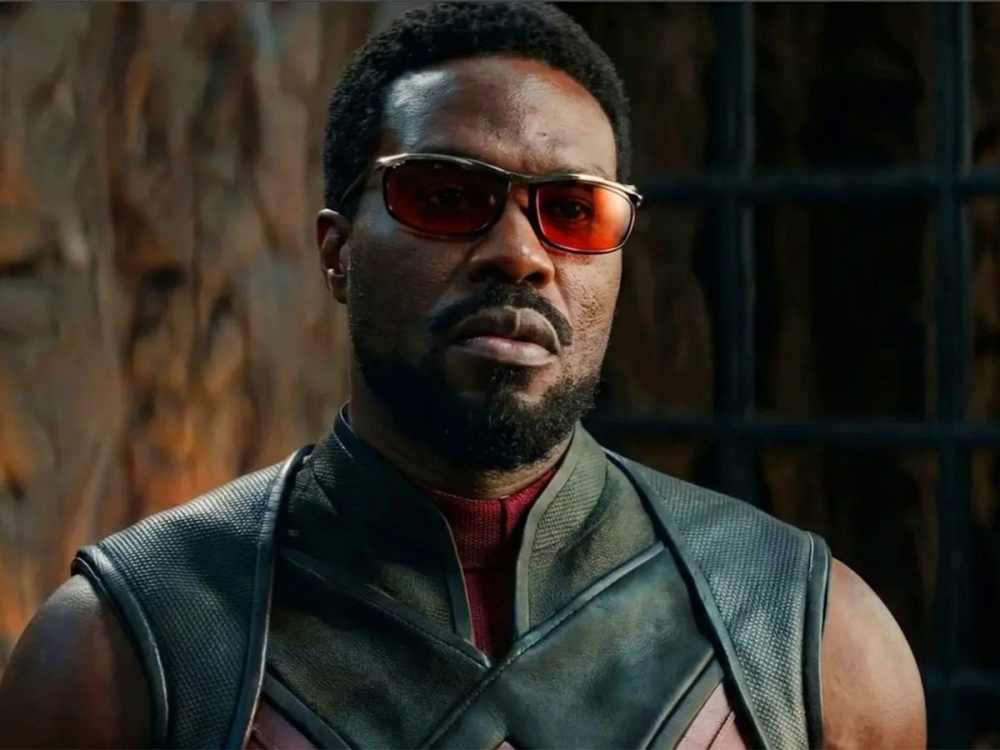
Simon Williams remains unresolved. Wonder Man shows his powers surfacing at age thirteen during an unexplained fire and stops there. Showrunner Andrew Guest told The Direct the question came up internally and that <cite index=”113-1″>”it’s one we decided we weren’t going to answer.”</cite> Marvel discarded the comics origin, in which Baron Zemo’s experiments gave Simon his ionic abilities, so the door is open for the Mutant Saga to claim him later.
Where the Count Falls Apart
The roundups circulating this week put Doorman on the list, and he does not belong there.
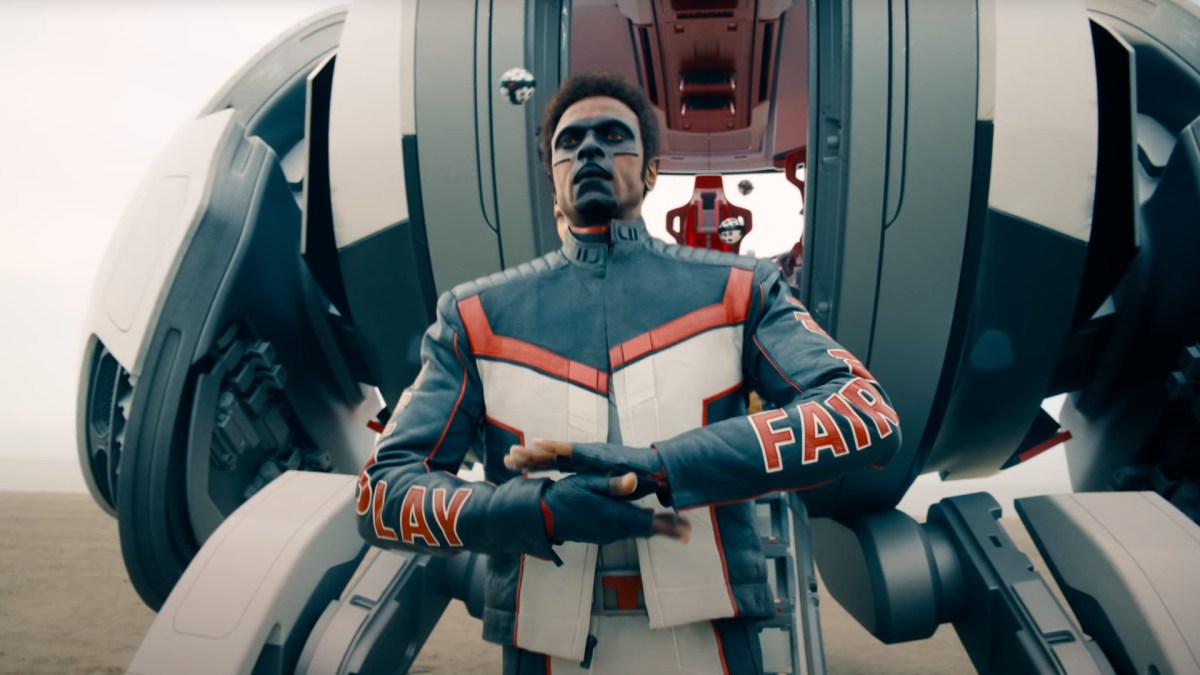
Byron Bowers’ DeMarr Davis is a mutant in the comics. He debuted in West Coast Avengers #46 in 1989 as a founding Great Lakes Avenger, born with the X-gene, able to turn his body into a portal to the Darkforce Dimension. Wonder Man threw that origin out. In the show’s fourth episode, DeMarr picks up his abilities by touching unidentified goo leaking from a Roxxon dumpster while taking out the trash at the club where he works. No X-gene, no manifestation in adolescence. He is an enhanced human, which puts him in the same bucket as most of the MCU’s powered population rather than in the mutant column.
That leaves seven names, and only two of them rest on a character actually saying so onscreen.
Stated onscreen. Namor calls himself a mutant to Shuri’s face in Wakanda Forever. Kamala Khan gets the closest television equivalent when Bruno finds the mutation in her genes in the Ms. Marvel finale, a moment scored with the X-Men: The Animated Series theme in case anyone missed the point.
Confirmed by identity, not by label. Jean and Sara Grey. The film names Jean, and naming Jean Grey does the work. But no character in Brand New Day says mutant, X-gene, or X-Men.
Comics inference only. Mister Immortal and El Aguila, neither labeled, neither explained, and one of them arguably not a mutant even in the source material.
Deliberately unanswered. Simon Williams, per his own showrunner.
So the honest tally is two confirmed, two strongly implied, two maybes, one open question, and one character who never belonged on the list. Eight is a headline number. Two is the number Marvel has actually committed to out loud.
Doorman still matters to the larger story, just not as a mutant. His onscreen fall produced the “Doorman Clause,” the in-universe ban on superpowered people working on Hollywood film and TV sets after a disaster on a Josh Gad movie set. That clause is the reason Simon spends his own series hiding what he can do.
Casting Is Moving Faster Than the Reveals
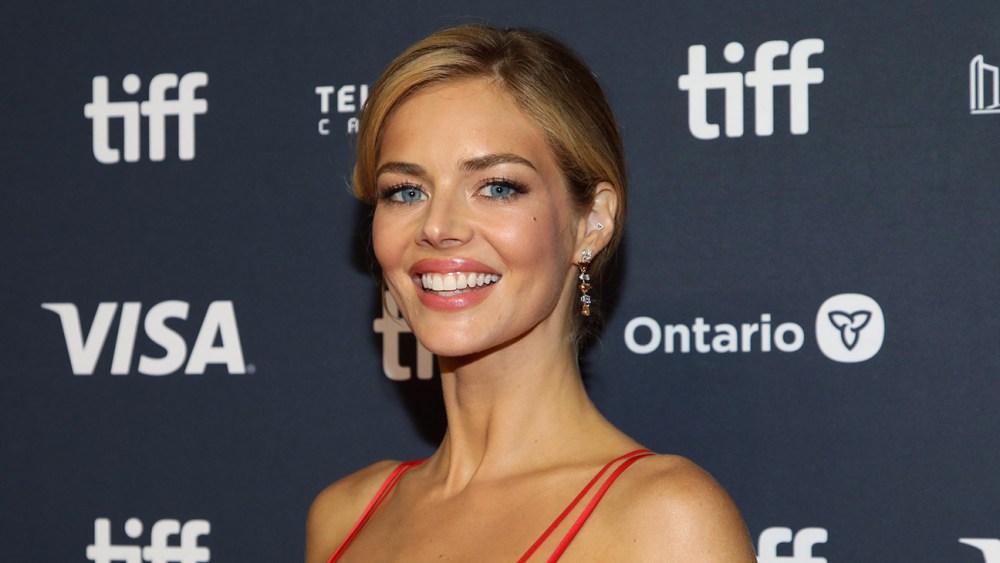
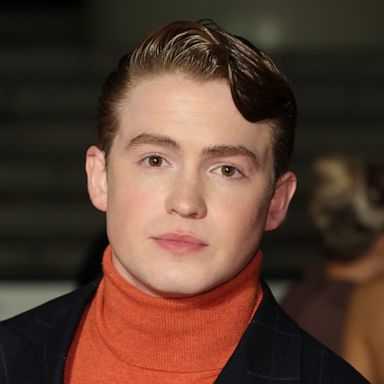
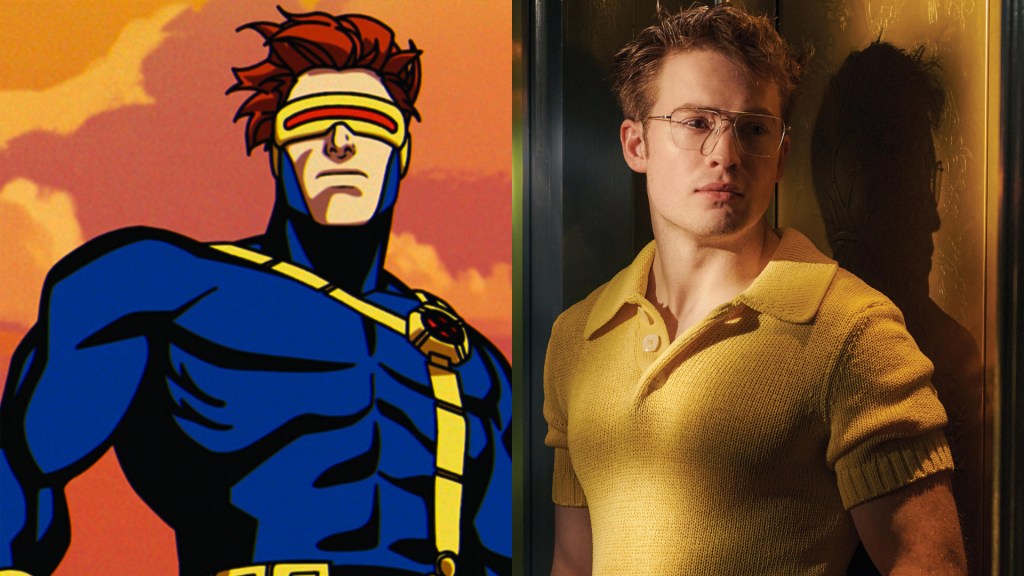
While the mutant tally has been filling in quietly, the X-Men reboot itself is assembling in public. Deadline reported on August 6 that Kit Connor is Marvel’s choice for Cyclops, with Kevin Feige and director Jake Schreier settling on him after months of auditions. Connor would join Samara Weaving, reported days earlier as Emma Frost, and Sadie Sink, whose Jean Grey is widely expected to carry over from Brand New Day. Marvel has not commented on any of it, and none of the deals have been confirmed by the studio.
Schreier, who directed Thunderbolts*, is at the helm with Joanna Calo writing. Rumors continue to circulate around Charles Melton for Beast and Cailee Spaeny for Rogue, and Inde Navarrette has publicly floated her interest in Mystique. The timing suggests Marvel wants its team set before D23.
The Fox-era mutants get their sendoff first. Avengers: Doomsday arrives December 18 with James Marsden, Ian McKellen, Patrick Stewart, Rebecca Romijn, Alan Cumming, Kelsey Grammer, and Channing Tatum reprising their roles, which means audiences will meet Connor’s Cyclops only after watching Marsden play the same character one more time.
That overlap is the thing to watch. Marvel has built a version of Earth-616 where mutants have existed for centuries, where a modern generation started manifesting decades ago, and where the wider public still has no idea. The X-Men reboot does not have to invent that world. It just has to decide when everyone in it finds out.
Sources: The Direct | ComicBook.com | Variety | ScreenRant | Marvel | Dexerto | Den of Geek | The Hollywood Reporter | Collider


 gfpods.com
Leave a comment