Paramount Skydance got the green light it wanted from the United Kingdom on Thursday, and it got it on the same day it needed it. The Competition and Markets Authority cleared David Ellison’s $111 billion acquisition of Warner Bros. Discovery without sending it to a deeper Phase 2 investigation, and culture secretary Lisa Nandy separately decided not to intervene on public interest grounds. Two decisions, one morning, and the last major international obstacle to the biggest studio consolidation in modern Hollywood history is gone.
What the CMA Actually Found
The British regulator looked at four areas: theatrical film distribution, TV content production, children’s channels, and streaming. It came away unconvinced that any of them would suffer.
On movies, the CMA acknowledged that Paramount and Warner Bros. compete closely, but concluded they are no closer to each other than either is to Universal, Disney, or Sony. The combined company would become the UK’s largest theatrical distributor, and the regulator decided that a market with three other majors plus a healthy tier of smaller studios would keep it honest.
On streaming, the finding was blunter. Netflix, Apple, Disney, and Amazon Prime already dominate the space, and the CMA added broadcast video on demand services like BBC iPlayer and ITVX to the list of competitive pressures. Paramount+ and HBO Max combined still do not add up to a problem in Britain’s view.
The Strings Attached
Nandy’s side of the decision came with legally binding commitments, signed as a deed of covenant with the Department for Culture, Media and Sport.
Channel 5 News stays editorially independent, with its direction kept entirely separate from CBS News and CNN International. CNN International remains available in the UK, and licensees keep access to the CNN, CBS News, and Channel 5 news archives on commercial terms. Channel 5 itself continues operating as a public service broadcaster with its commissioning focused on British production, and Paramount committed additional funding for news, original children’s programming, and drama.
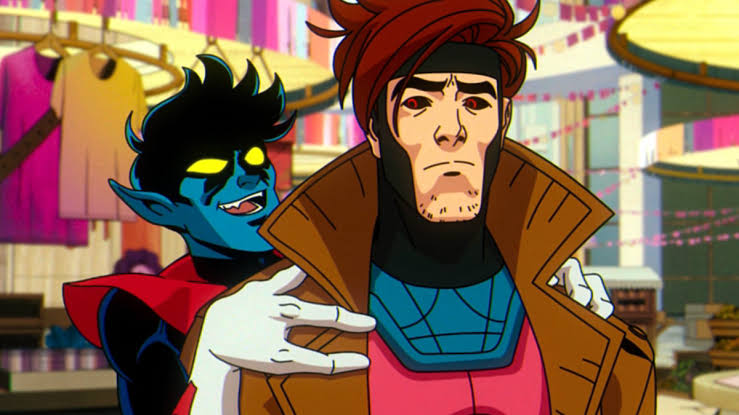
For the geek side of the ledger, the children’s television commitments matter most. Nickelodeon and Cartoon Network will remain editorially distinct from one another, and both will continue commissioning and acquiring original UK children’s content. That is a real concession given that a merged Paramount would own both SpongeBob and the Cartoon Network library outright, along with the Adult Swim catalog and the Looney Tunes vault.
The commitments run five years from completion. The Channel 5 obligations extend to the end of 2034, when its current public service license expires. Parliament gets a formal update when it returns from summer recess in September.
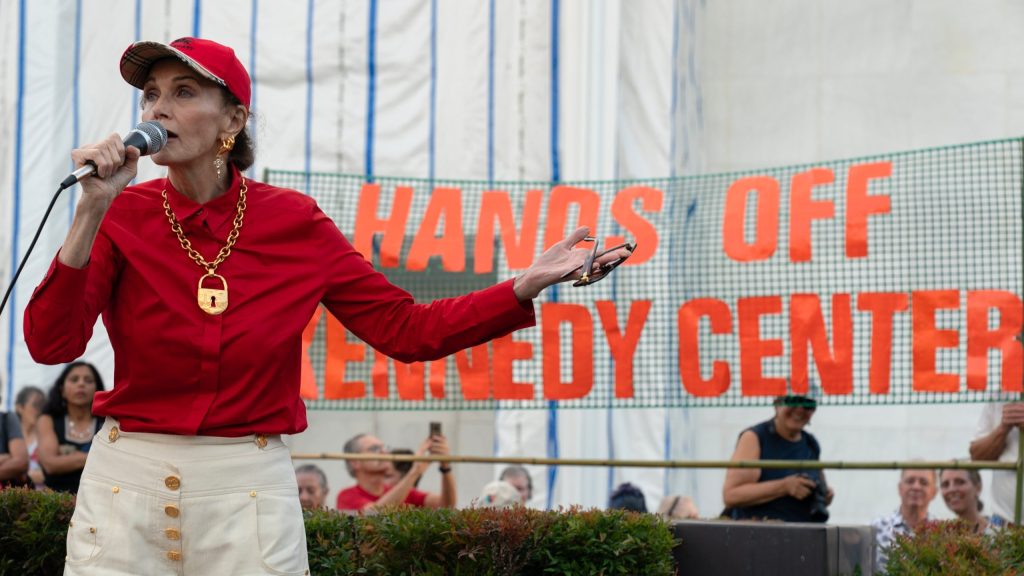
Notably, the campaign against the deal in Britain, which drew public support from Benedict Cumberbatch and Alan Cumming, ran into a structural wall. Streaming is not covered by the public interest provisions of the Enterprise Act 2002, which sharply limited what British authorities could act on even if they wanted to.
Sixty-Six Jurisdictions Down, One to Go
With the UK signed off, authorities in 66 jurisdictions have now either approved the transaction or declined to challenge it. The Department of Justice already cleared it. Warner Bros. Discovery shareholders already voted for it. The European Commission approved it with conditions, including Paramount exiting the United International Pictures distribution joint venture. Australia, Canada, Brazil, China, and Saudi Arabia are all on the list.
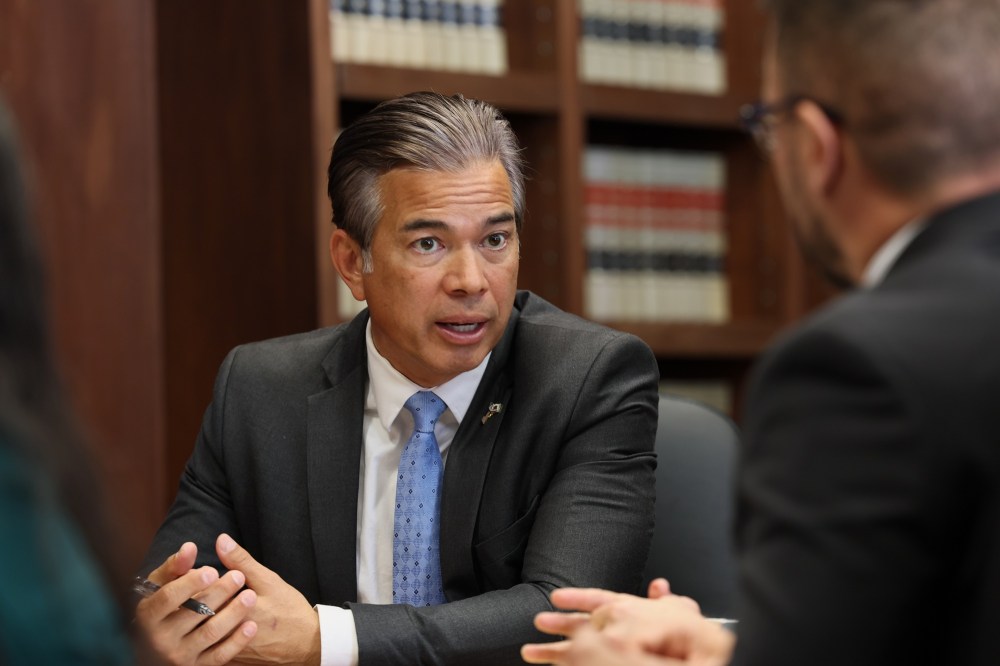
The holdout is a coalition of twelve state attorneys general led by California’s Rob Bonta, joined by Arizona, Colorado, Connecticut, Massachusetts, Minnesota, Nevada, New Jersey, New Mexico, New York, Oregon, and Washington. The Writers Guild of America filed its own parallel suit and is heading to the same trial.
Judge Araceli Martínez-Olguín set that trial this week for March 2, 2027, running twelve court days through March 19. Paramount had asked for November of this year. The plaintiffs wanted April 2027. The judge landed much closer to the plaintiffs.
The suit alleges a violation of Section 7 of the Clayton Act, arguing the merger would substantially lessen competition in wide release theatrical distribution and elsewhere, driving prices up and content volume down for theaters, cable distributors, and viewers. After the judge issued a temporary restraining order in July, Paramount agreed to stand still until either a post-trial ruling or June 2027, whichever arrives first. The company cannot close the deal until it wins, settles, or the states walk away.
What the Delay Costs
Every day of that wait has a price tag. Starting October 1, Paramount owes Warner Bros. Discovery shareholders a ticking fee of 25 cents per share per quarter, roughly $7 million per day and about $650 million every three months. By the time the trial gavels out in mid-March 2027, that bill clears $1 billion.
Paramount wasted no time turning the British ruling into ammunition. A company spokesperson said the CMA’s conclusions demonstrate what it called the misguided and gerrymandered market definitions in the state AGs’ complaint. Bonta’s office has not budged, describing the case as a clear-cut antitrust challenge and rejecting Ellison’s framing that the fight is really about who ends up owning CNN.
The Part Creators Are Watching
Underneath the regulatory chess is a labor fight that explains why the WGA is at the table.
In his letter to the British government last month, Ellison acknowledged the combined company will result in cuts. Paramount has separately floated up to $6 billion in additional cost reductions post-merger. At the same time, Ellison has publicly committed to expanding output, pointing to a theatrical slate that nearly doubled from eight films to fifteen under his first year, forty new or returning Paramount+ series greenlit, and roughly ninety television series in production this year. He projects the combined company would produce thirty theatrical films and 170 television series annually.
Six billion in cuts and 170 series a year is the arithmetic the Writers Guild wants tested under oath. A merged Paramount and Warner Bros. would become the single largest buyer and employer of film and television writing in the country, and the guild’s argument is that consolidating the two biggest scripted content buyers into one leaves writers with fewer places to sell.
For fans, the practical questions stay unresolved for another seven months. What happens to HBO Max and Paramount+ as separate services. Whether DC Studios and Paramount’s slate start competing for the same release windows. Whether the Warner Bros. animation pipeline and Nickelodeon end up under one roof making the same kind of show.
Britain has decided none of that is its problem. Oakland gets to decide in March.
Sources: Variety | The Hollywood Reporter | Deadline | TheWrap | Bloomberg | CNN | Variety Trial Date


 gfpods.com
Leave a comment