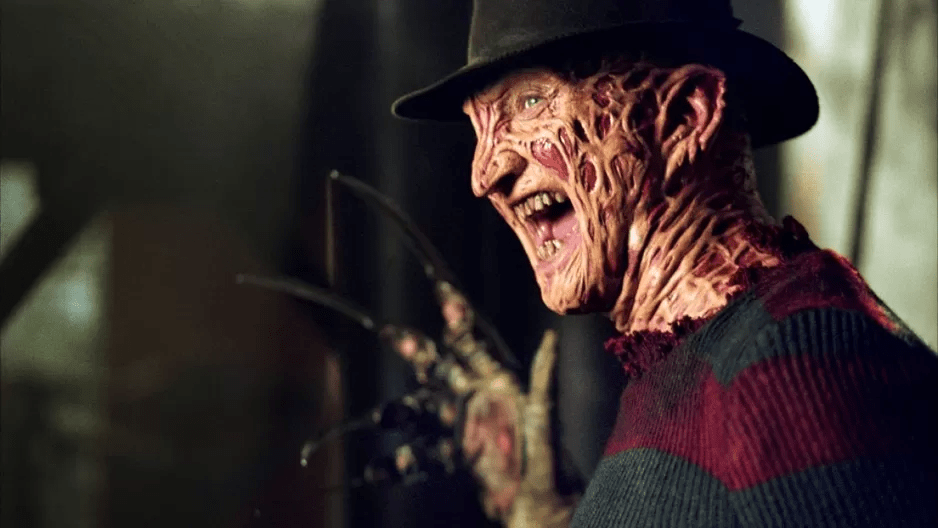
Freddy Krueger is getting a fresh start, and the deal behind it is almost as interesting as the killer himself.
Paramount has closed an agreement with the Wes Craven estate for the U.S. rights to adapt the original 1984 screenplay for A Nightmare on Elm Street. The project will live under Paramount’s newly formed genre label, Paramount Primal, and it marks a full reboot of the franchise rather than another sequel bolted onto nine films’ worth of continuity.
How the Estate Got the Rights Back
The mechanics behind this deal are the real story for anyone who follows how these franchises actually change hands. New Line Cinema built its identity on Elm Street. The film earned the studio its nickname, “the house that Freddy built,” and New Line still holds the international rights today. But U.S. copyright law allows creators to reclaim rights to their work 35 years after publication, and that termination window is exactly what let Wes Craven’s widow, Iya Labunka, and son, Jonathan Craven, take back domestic control of the original screenplay. Attorney Marc Toberoff, who has handled these reversion cases before, worked the deal alongside them.
The upshot is a franchise split down a border. American audiences will get the new film through Paramount. International audiences remain tied to whatever New Line does with its half of the rights, an arrangement that gets even stranger given Paramount is simultaneously in the process of acquiring Warner Bros. Discovery, New Line’s parent company.
Who’s Making It
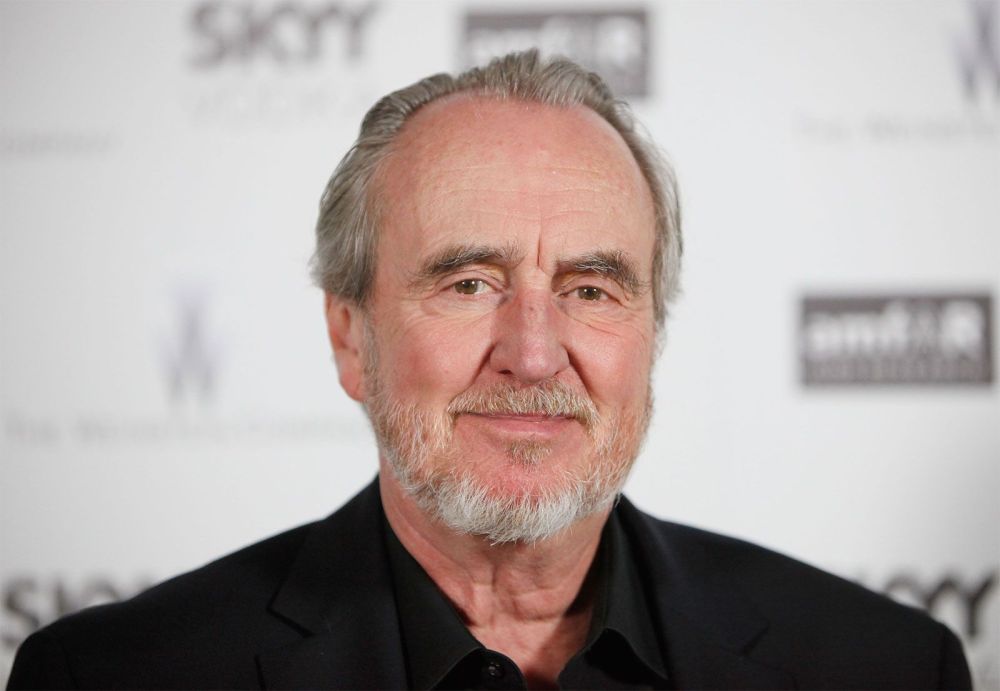
Paramount Primal is run by J.D. Lifshitz and Raphael Margules, the producing duo behind Barbarian, Companion, Weapons, and Friendship. That’s a run of smart, twisty, mid-budget horror that’s landed with both critics and audiences over the past few years, and it’s a clear signal of the tone Paramount wants for this reboot: elevated, surprising, not a cash-grab legacy sequel. No writer has been attached publicly yet, and plot details are being kept close, but the film will be set within the world of the 1984 original.
Why Elm Street Still Works
The premise behind A Nightmare on Elm Street has aged unusually well compared to its slasher contemporaries. Franchises built around a masked killer chasing teenagers through hallways or campgrounds run into an obvious modern problem: everyone has a phone now, and a lot of tension evaporates the moment a character could just call for help or Google the guy stalking them. Freddy sidesteps that entirely. He gets you in your sleep, and there is no technology that fixes that. A burned man with a bladed glove who was never punished for what he did to children is also, unfortunately, a premise that doesn’t require much updating to feel plausible.
That durability is a big part of why there’s real optimism around this reboot, tempered by the fact that the last attempt, the 2010 version with Jackie Earle Haley, landed as a financial success but a creative disappointment for a lot of longtime fans. A new take gets one advantage the 2010 film didn’t have: direct estate involvement, with Jonathan Craven producing and his father’s blessing built into the DNA of the project rather than licensed out to a studio with no connection to Craven’s original vision.
The Robert Englund Question
Any conversation about a new Freddy inevitably turns to Robert Englund, who originated the role across nine films and is, for most fans, simply irreplaceable in the part. Englund has said in past interviews that he’s aged out of playing Freddy himself, which makes a full cameo appearance the most likely outcome if he’s involved at all. It’s the same logic that’s driven cameos for aging legacy stars across other franchises: bring back the original as a blessing-passing moment rather than asking him to carry the physical role again. Whether that means a brief on-screen appearance, a producing credit, or nothing more than a public show of support remains to be seen, since nothing has been officially announced.
What Comes Next
For now, the reboot exists as a rights deal and a producing team, not a cast list or a release date. But the pieces are notable: a horror label built by two of the genre’s sharpest current producers, a screenplay pulled from Craven’s original vision rather than decades of sequel lore, and a rights situation unusual enough that it may shape how other classic horror franchises try to claw their way back from corporate ownership. Freddy Krueger built a career out of getting into people’s heads. Paramount is betting he still can.


 gfpods.com
Leave a comment