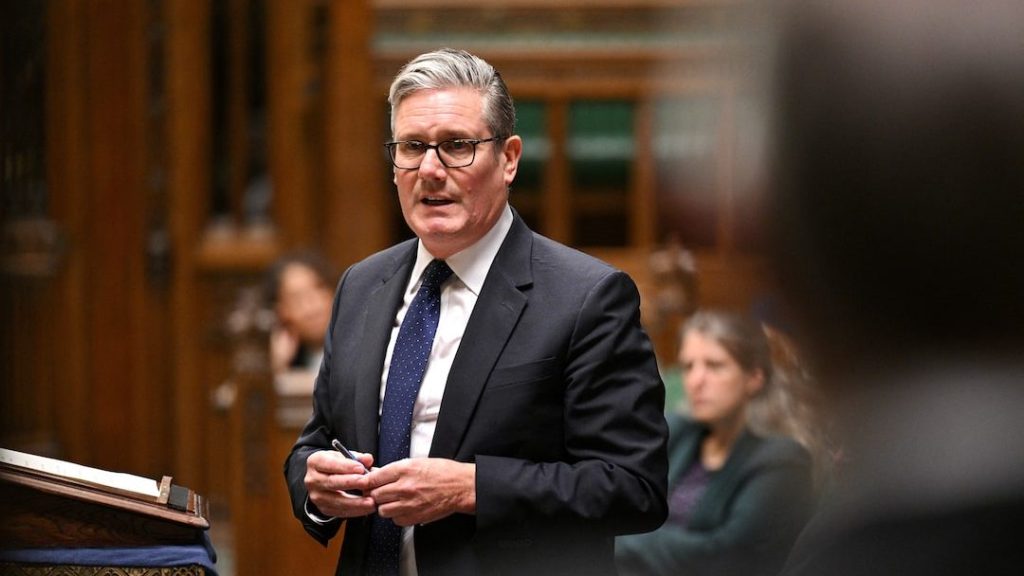
Britain is moving to bar children under 16 from a wide range of social media apps, with Prime Minister Keir Starmer announcing the plan Monday and framing it as one of the toughest child online safety measures any government has attempted. The ban is expected to take effect next spring, and it would cover platforms including Snapchat, TikTok, YouTube, Instagram, Facebook, and X. Messaging services such as WhatsApp and Signal are not part of the plan, and YouTube Kids is also exempt.
Starmer leaned hard on the personal angle, speaking as a father of two teenagers rather than only as a head of government. He said social media is making children unhappy and unsafe, and that he had heard directly from families asking for change. He called the announcement a big moment for the country and acknowledged it would not be easy, admitting that some teens would inevitably try to find workarounds. His pitch was that the responsibility falls on the platforms, not on kids or parents, to keep underage users off these services.
The UK is following the template Australia set in late 2025, when it became the first country to block under-16s from holding social media accounts. But the government says it intends to go further than Australia did. Beyond the account ban itself, the plan targets specific features regulators consider especially risky for children, including livestreaming and the ability for strangers to contact minors on gaming and livestreaming platforms. Officials are also weighing additional restrictions such as overnight curfews and forced breaks in infinite scrolling for under-18s, with more detail expected next month.
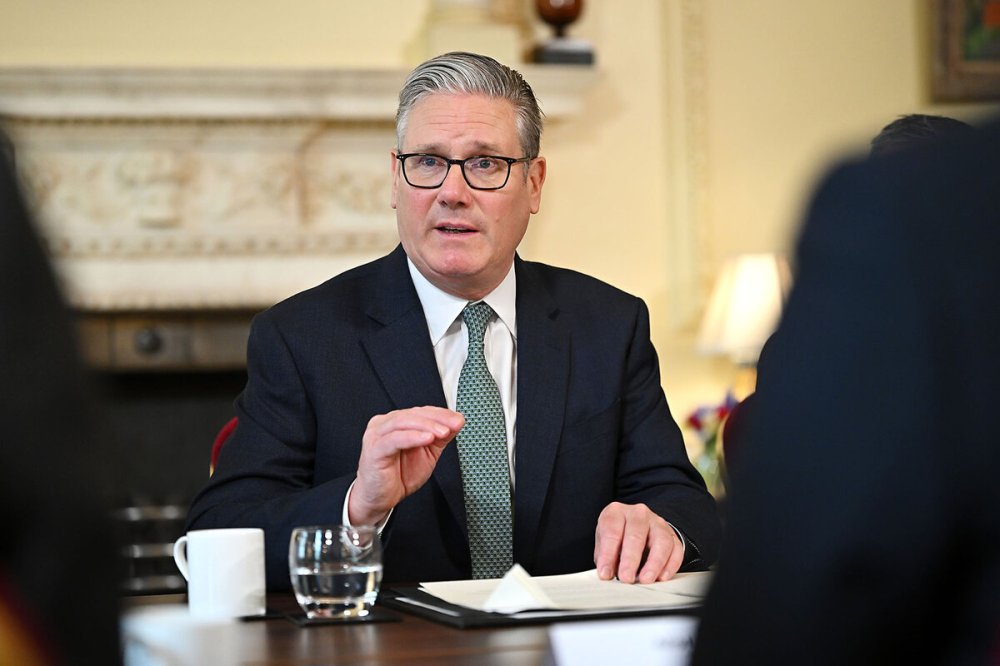
One of the more distinctive pieces of the UK approach involves AI. The government plans to restrict AI chatbots designed to simulate romantic or sexual relationships to users over 18 only, and developers will be expected to enforce a minimum age on those apps. More broadly, all AI chatbots will be required to limit intimate functionalities for anyone under 18. That marks a clear attempt to close a gap that earlier online safety rules left open, and it reflects how quickly the conversation around child safety has expanded past traditional social feeds.
The numbers behind the decision are notable. The government ran a public consultation that drew 116,000 responses from parents, the tech industry, and children, and it says more than 90 percent of respondents supported an under-16 ban. That level of feedback gave Starmer political cover to act after MPs had voted down a similar measure earlier in the year, and after sustained pressure from backbench Labour MPs, campaigners, and the House of Lords.
Enforcement is where things get complicated, and it is the part critics keep circling back to. Platforms that fail to take reasonable steps to keep under-16s off their services could face multimillion-dollar fines, mirroring the penalty structure Australia adopted. Starmer was explicit that enforcement will target companies, not children. The harder question is whether the age verification tools at the center of the plan actually work. Data from Australia has already shown that roughly seven in 10 children who had social media accounts before that country’s ban still had them afterward, which gives opponents a real-world example of how leaky these systems can be.
Some of the strongest pushback came from the platforms themselves and from child safety advocates who think the ban misses the point. YouTube and Meta both warned that a blanket restriction could push kids toward unregulated, less safe corners of the internet rather than keeping them away from harm. A YouTube spokesperson argued that blanket bans move children out of curated, supervised spaces and toward anonymous services. Meta said it shares the goal of keeping teens safe and pointed to its existing teen account features that limit contact and content. The Molly Rose Foundation, set up in memory of 14-year-old Molly Russell, criticized the plan from a different direction, arguing it is too easy to work around and does nothing to address the harmful algorithms and content that sit at the root of the problem.
There is precedent for that worry closer to home. The UK’s Online Safety Act, which required adult sites to verify users’ identities, drove a surge in VPN use as people looked to sidestep the checks and avoid having their browsing tied to their identities. That experience hangs over the new plan, since age verification only works if it is both hard to bypass and trusted enough that people do not route around it entirely. Digital rights groups have gone further, with Big Brother Watch describing the broader push as a form of technological censorship, while organizations like the NSPCC have backed the measures.
The UK is not acting alone, and that is part of the point Starmer is making. Australia led the way, and Spain banned social media for under-16s in February alongside strict age verification requirements. Malaysia began enforcing its own ban earlier this month. France, Denmark, Norway, Canada, Brazil, and Indonesia have all introduced legislation or announced plans of their own, with several other countries studying similar approaches. What started as one country’s experiment has become a coordinated international shift in how governments treat children’s access to social platforms.
The government wants to bring the legislation to Parliament before Christmas, with protections coming into force as soon as spring 2027. Starmer has positioned speed as a deliberate contrast to the previous government, which took years to implement the Online Safety Act. Whether the plan delivers the protection it promises or simply becomes another rule that determined teenagers learn to route around is the question that will define the next year of this debate.
Sources: ABC News CNN NPR NBC News CNBC The Inquirer HuffPost UK Computing





 gfpods.com
Leave a comment