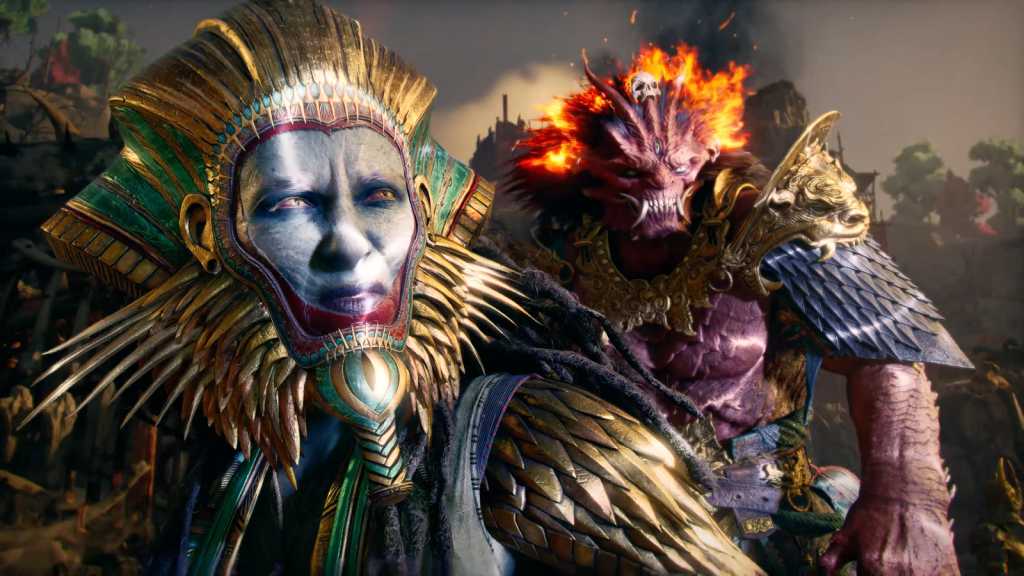
God of War: Laufey did more than hand the series to a new lead. It blew the doors off the franchise’s mythological map. The reveal trailer drops Faye into the Everywhen, the afterlife of the gods, and the first two faces she meets there are deities most players have never seen in a game before. Begtse and Sekhmet are not Norse and they are not Greek, and that is exactly the point. For the first time, God of War is pulling from pantheons it has never touched.
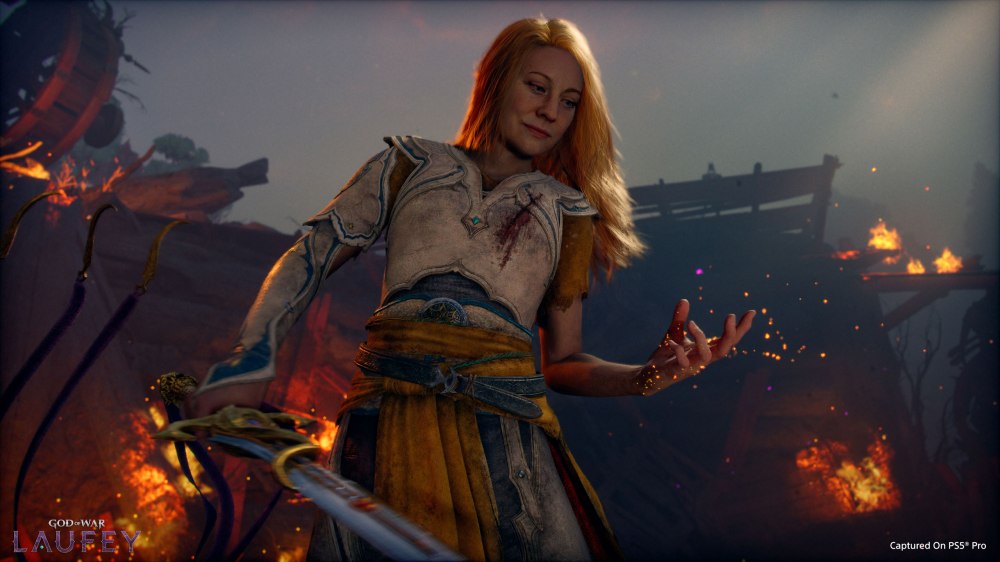
Santa Monica Studio describes the Everywhen as the birthplace and endpoint where all magic returns, a realm sitting above the worlds we already know, where gods and creatures from every mythology end up together and rarely get along. It answers a question the series has circled for years, which is what happens to a god when it dies. That single idea is what makes Begtse and Sekhmet possible, because the afterlife does not care which mythology you came from. Everyone lands in the same place.
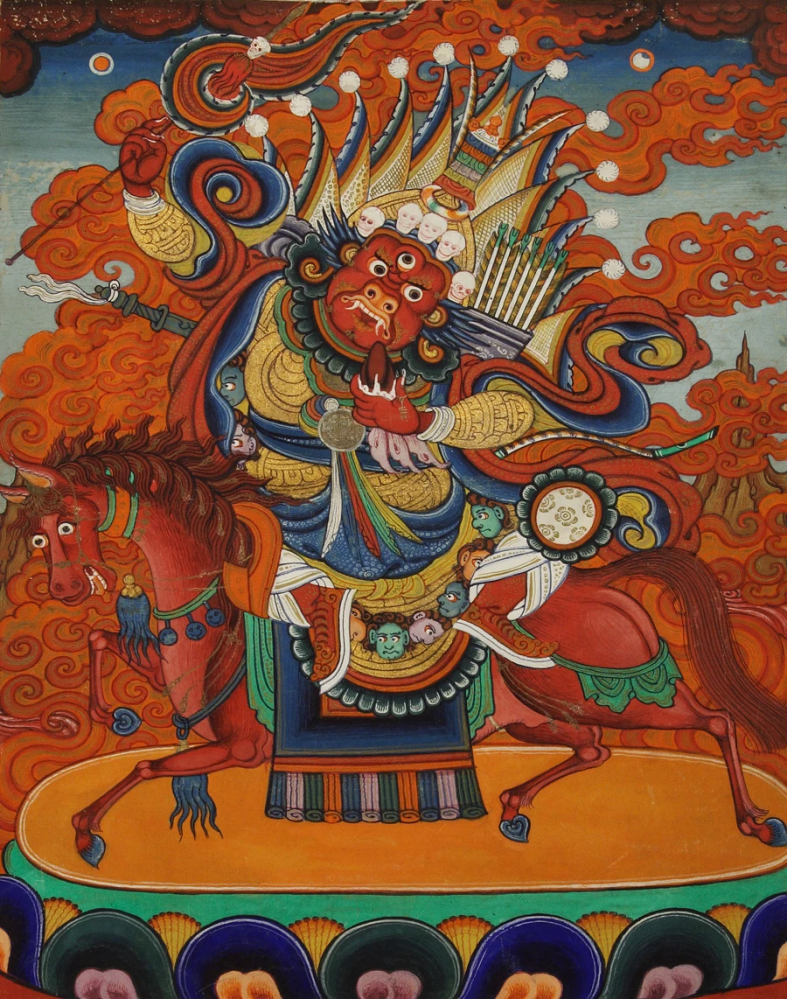
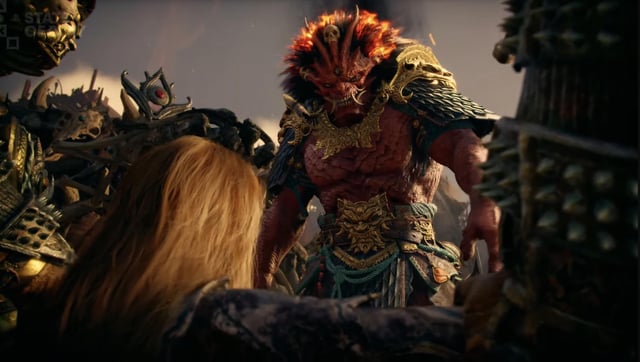
Begtse is the red, hulking figure who captures Faye in the trailer. In the real world he is a war deity tied to Mongolian and Tibetan tradition. Within Tibetan Buddhism he can stand for strength and courage, but folk tradition leans hard into his role as a lord of war and battle. The game runs with that darker reading. He commands suits of animated armor, oversees what looks like a prison camp full of captured creatures from other myths, and makes a show of trying to intimidate Faye before things turn physical. He is also the one who lays out the rules of this place. You cannot die in the Everywhen. And he lets slip that he is wary of the sword Faye carries, which is the kind of detail that tends to matter later.
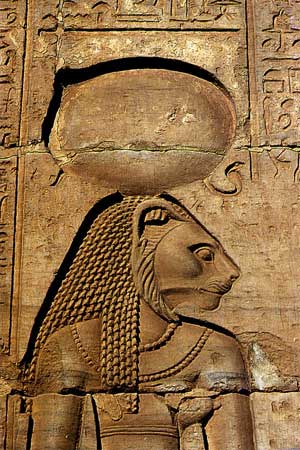
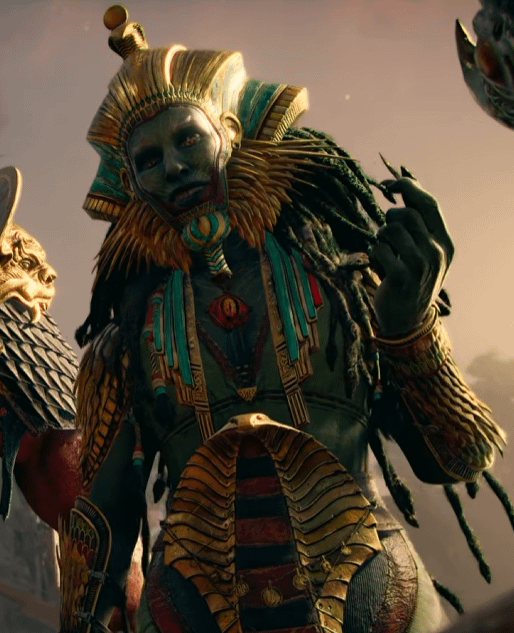
Sekhmet is the one who calls him off. She is the Egyptian goddess of war, and her mythology is brutal. Created by the sun god Ra, she was sent to punish humanity and developed such a bloodlust that she nearly wiped out every mortal on earth. The other gods only stopped her by tricking her into drinking beer dyed to look like blood, which calmed her into a gentler goddess named Hathor. In Laufey there is no Hathor. The version we meet has long, clawed fingernails, an antagonistic streak, and none of the mercy the myth eventually forced on her. Santa Monica clearly picked the most dangerous version of her on the board.
Here is where it gets interesting for the future of the series. Fans have spent years assuming the next God of War would send Kratos to Egypt, and Sekhmet’s arrival is the strongest signal yet that Egyptian mythology is finally in play. I have wanted a full Egyptian God of War for a long time, and not only for the story. Picture the armor, the architecture, an entire pantheon rendered with the detail Santa Monica brings to its worlds. The studio has now put an Egyptian war goddess on screen and built a realm designed to justify visiting any mythology it wants. That is not an accident.
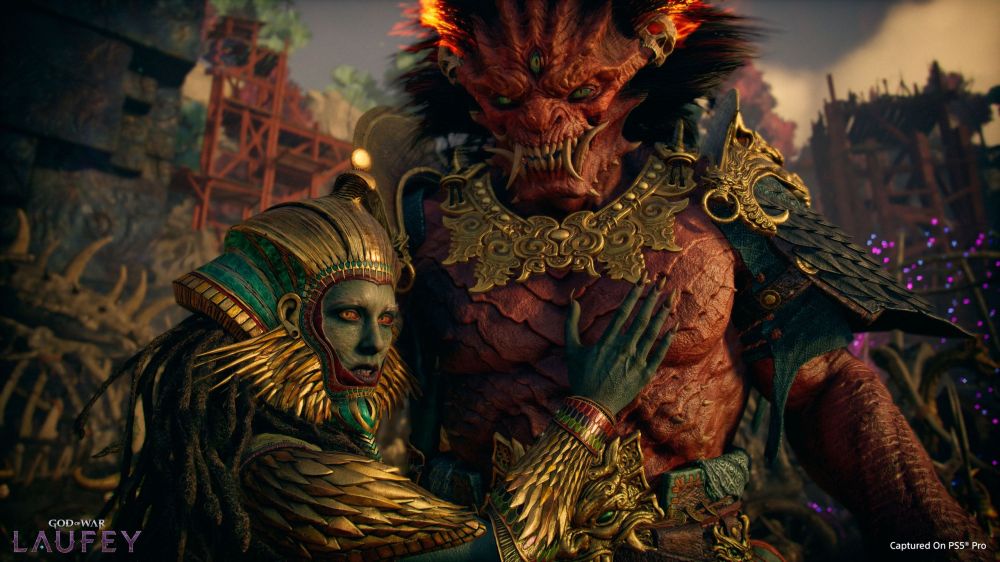
The catch is that the Everywhen might be the destination rather than a doorway. By gathering gods from everywhere into one afterlife, Santa Monica may be telling all of these stories at once instead of dedicating a full game to each pantheon. An Egyptian arc inside Laufey is not the same thing as a standalone Egyptian God of War with Kratos walking the sands. Both can be great. They are not the same wish. For now, what we know is that Begtse and Sekhmet are real, they are confirmed, and they prove the series is willing to look far past Greece and the Nine Realms.
Whatever comes next, this is the moment God of War stopped being only a Norse story or a Greek one and became a story about all of it. Two war gods from opposite ends of the map, standing in the same room, ready to test the woman who once stood toe to toe with Thor. If that is the new shape of the franchise, sign me up.
PlayStation Blog Kotaku esports.gg ScreenRant




 gfpods.com
Leave a comment