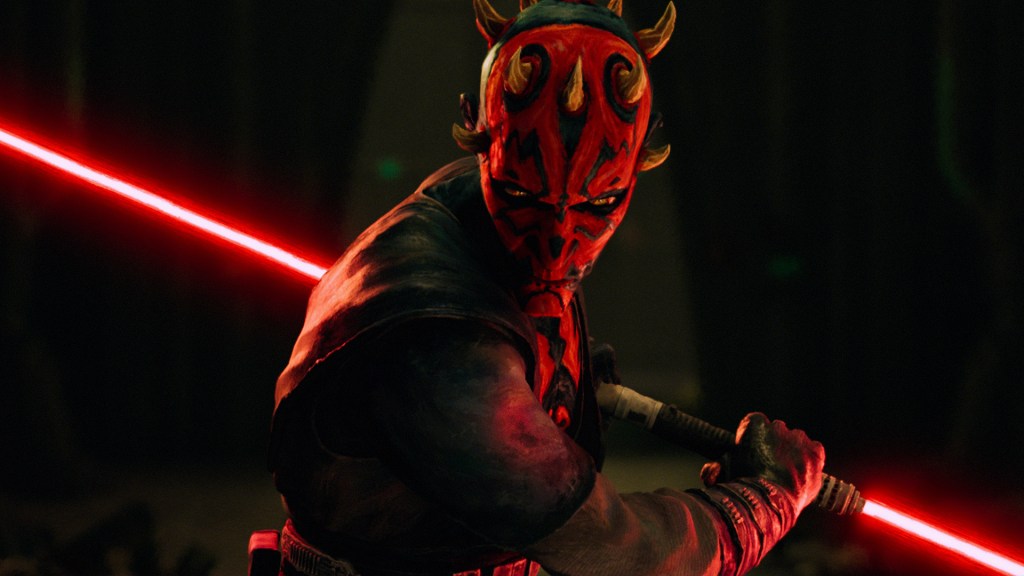
When Hatred Becomes the Only Thing Keeping You Alive
On a recent episode of Fandom Portals, hosts Aaron and Brash broke down the animated series Maul: Shadow Lord and what it reveals about one of Star Wars’ most misunderstood characters. Their conversation kept returning to a single idea: for Darth Maul, vengeance was never a goal. It was a life support system.
When audiences first met Maul in The Phantom Menace, he was a function more than a character. He spoke 31 words across the entire film, killed Qui-Gon Jinn, got cut in half, and disappeared. The purpose he served was mechanical: he was there to set the tragedy of Anakin Skywalker into motion and, by most accounts, to sell toys. That’s it. The story was finished with him. Except it wasn’t.
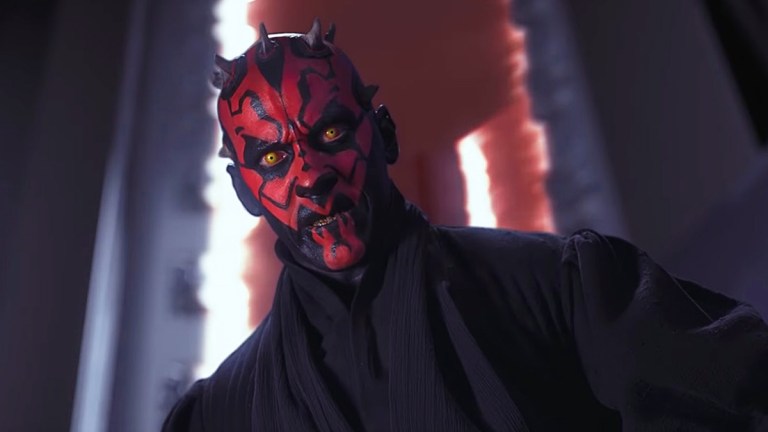
What the years of Clone Wars, Shadow Lord, Solo, and Rebels revealed is that a character defined entirely by purpose-built rage becomes something genuinely interesting when that rage has nowhere left to go. Maul spent the better part of two decades in the Star Wars timeline consumed by the need to get even. With Obi-Wan Kenobi. With Darth Sidious. With the criminal underworld that abandoned him when he needed them most. With everyone who had a hand in reducing him from Sith apprentice to feral survivor.
The tragedy of it is that revenge kept him sharp. It kept him focused and calculating, and dangerous. Without it, there was nothing underneath.
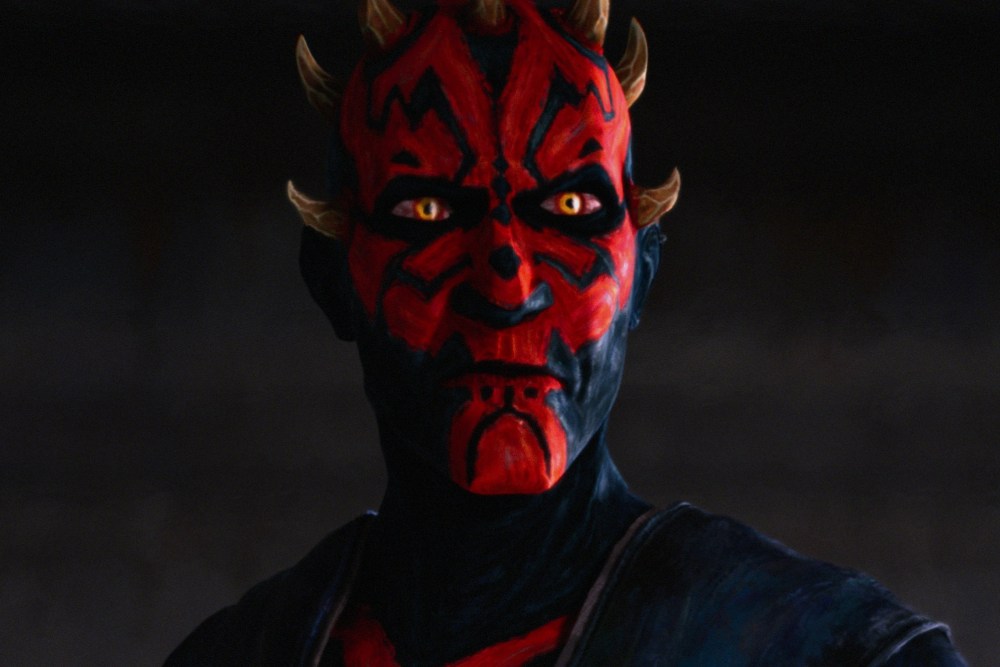
This is something Shadow Lord gets exactly right. We meet Maul at what feels like a low point, but he’s actually at one of the more functional stages of his life. He has a plan. He’s rebuilding. He’s running operations, managing alliances, manipulating people with the same precision that defines the best Sith. The problem is that every relationship he builds is transactional by design, because the moment he lets anything in, the whole structure becomes vulnerable. He learned that lesson early, and Sidious made sure he never forgot it.
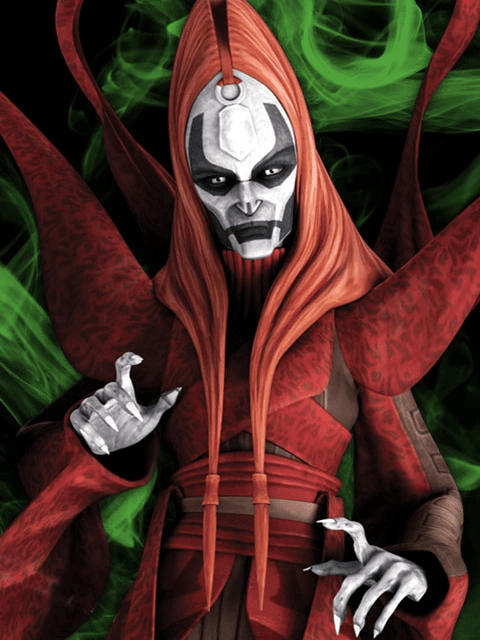
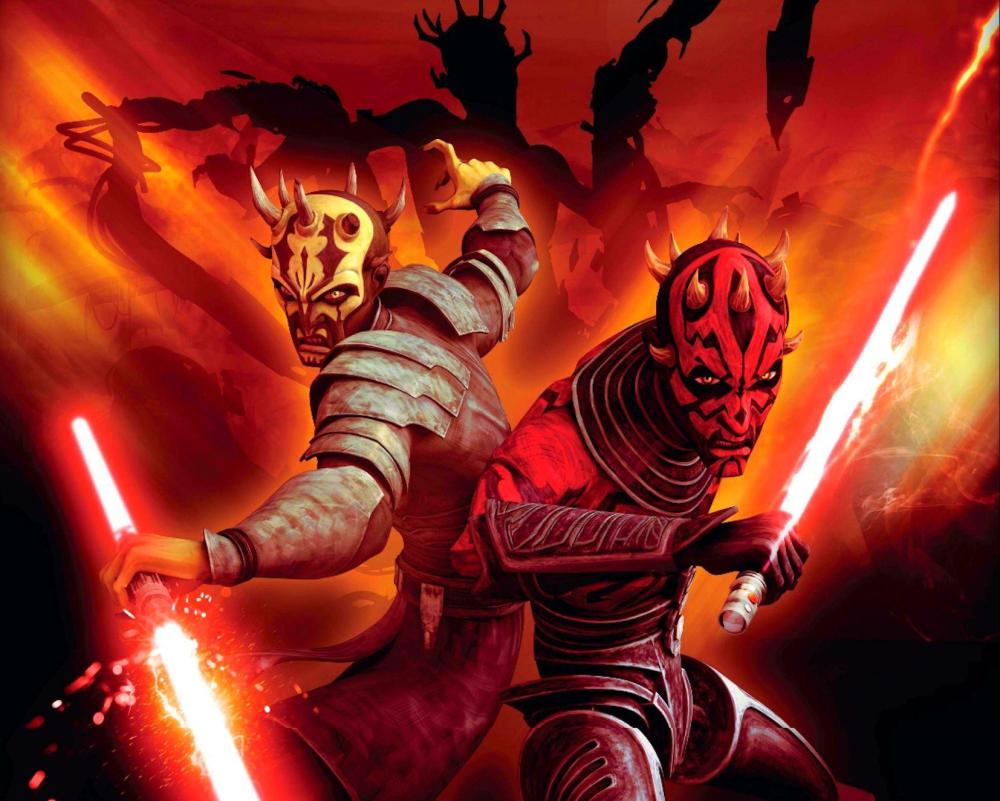
What makes Maul compelling rather than just pathetic is that he knows this about himself. He feels the pull toward connection, whether it’s the bizarre protectiveness he shows toward his droid Spy Bot, the complicated grief over his brother Savage, or the mentorship he extends to Devon in Shadow Lord’s final episodes. Each of these is Maul reaching for something he was trained to never have. And each time, he either loses it or weaponizes it, because those are the only two outcomes his conditioning allows for.
The parallel Aaron draws on Fandom Portals to Anakin Skywalker holds up under scrutiny. Both were taken young. Both had attachments stripped away by masters who needed them broken rather than whole. Both spent their lives cycling through the same pattern: find something worth holding onto, lose it, and convert that loss into fuel. The difference is that Anakin eventually got his moment of grace. He chose something over his own anger. Maul never quite got there, which is part of what makes his ending in Rebels land as hard as it does.
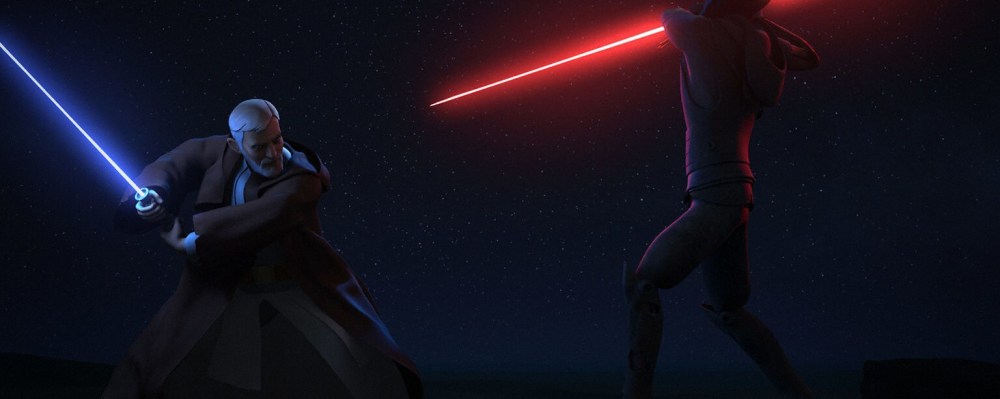
When Maul finally finds Obi-Wan on Tatooine, it becomes clear that he didn’t go there to win. He went there to finish something. Brash puts it well in the episode: Maul went looking for peace, and the only door he could find to it was the man who had shaped his entire existence by cutting him in half on Naboo. In those final moments, the hatred seeps out of him. He asks Obi-Wan whether the chosen one will avenge them both, and that word, “us,” says everything. By the end, Maul saw himself and Kenobi as the same kind of wreckage. Different wreckage, sure, but wreckage produced by the same machine.
That’s not a story about a villain getting what he deserved. It’s a story about what happens when someone spends an entire life running on revenge and finally lets themselves stop.
Fandom Portals does this kind of analysis well, and this episode is a strong example of why the show works. If this breakdown of Maul’s arc has you thinking about the series differently, that’s the point.




Leave a comment