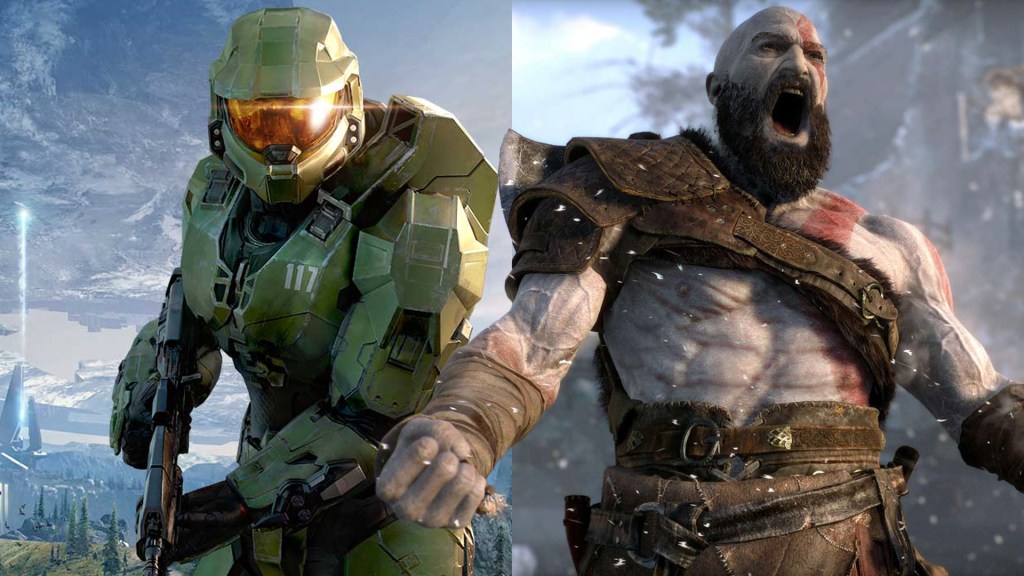
For years now the talking point has been the same. The console war is over. Hardware does not matter anymore. Everything is an Xbox, everything is on PC, and where you play has stopped meaning anything. It is a tidy story, and it is wrong. The 2026 Xbox Games Showcase made the case better than any argument could, because for the first time in a long while Xbox showed up ready to fight, and the whole industry is better for it.
Start with what changed at the top. Asha Sharma took over as Xbox CEO in February, and the message coming out of this showcase was a hard pivot away from the strategy that defined the last few years. Gears of War: E-Day and Clockwork Revolution were both stamped with the words Xbox Console Exclusive, and Microsoft has been clear these are not timed deals waiting to land on PlayStation later. They are staying home. After an era where the company told everyone that everything is an Xbox, watching it plant a flag and say you will play these here felt like a jolt of life.

Here is why that matters beyond brand loyalty. Competition is the engine. It always has been. The leaps we got across console generations were not the product of corporate goodwill; they came from two companies trying to out-build each other for our attention. When one side stops competing, the pressure drops, and the pressure is what produces the bold swings. Take away the rivalry and you do not get a friendlier industry; you get a slower one.
There is a version of this conversation that treats cooperation as the mature outcome, the idea that everyone working together and every game living everywhere is the enlightened endgame. I do not buy it. It reminds me of arguing that the Horde and the Alliance should just get along. The friction is the point. The rivalry is what gives both sides an identity worth defending. Halo means something because it is Halo. Gears means something because it is Gears. Strip those identities down to interchangeable content on a storefront, and you lose the thing that made people care in the first place.


That identity is built on characters and worlds you cannot get anywhere else. When you think of Xbox, you think of flipping on that old console, watching the strange green glow boot up, then Master Chief filling the screen. That is not nostalgia for its own sake. It is proof that exclusives create icons, and icons create the kind of attachment that sells a system. Marcus Fenix, Master Chief, the crews of Sea of Thieves, these are the reasons to own the box. A library that exists identically on every platform gives nobody a reason to choose.
The showcase understood this on the hardware side too. The Series X25 Limited Edition arrives in November wrapped in translucent OG Green, a direct callback to the original 2001 console, glowing logo and all. It is a small thing and it is exactly the right instinct. Give people something to want, something with personality, something that says this one is ours. That is what a brand does when it believes it is in a race.

The early signs suggest the appetite is real. Xbox executives have said demand for the current consoles is outstripping supply, though that comes with an honest caveat. The company is wrestling with a global component shortage and rising memory costs that are squeezing production and forcing a rethink of its next-generation Project Helix plans, so some of the scarcity is supply chain rather than pure demand. Even with that asterisk, the energy around this show, the sold-out collector’s editions, the scramble for that green console, points to something that had gone quiet for years. People want a reason to be excited about Xbox again.
The fairest argument against all of this is the player who just wants access. Exclusives lock games behind a four-hundred or five-hundred-dollar purchase, and an all-in-one ecosystem where everything is available everywhere is undeniably friendlier to your wallet. That view is reasonable. But a world optimized purely for access is also a world with less reason for anyone to push, and less to fight for tends to mean less worth playing.
So no, the console war is not over, and it should not be. It is the thing that drives creativity, sharpens identity, and forces both sides to keep reaching for something better. After years of Xbox sounding like a death rattle, it is good to hear it pick the fight back up. Let them compete. We are the ones who win.
Xbox Wire BigGo GamesRadar Windows Central


 gfpods.com
Leave a comment