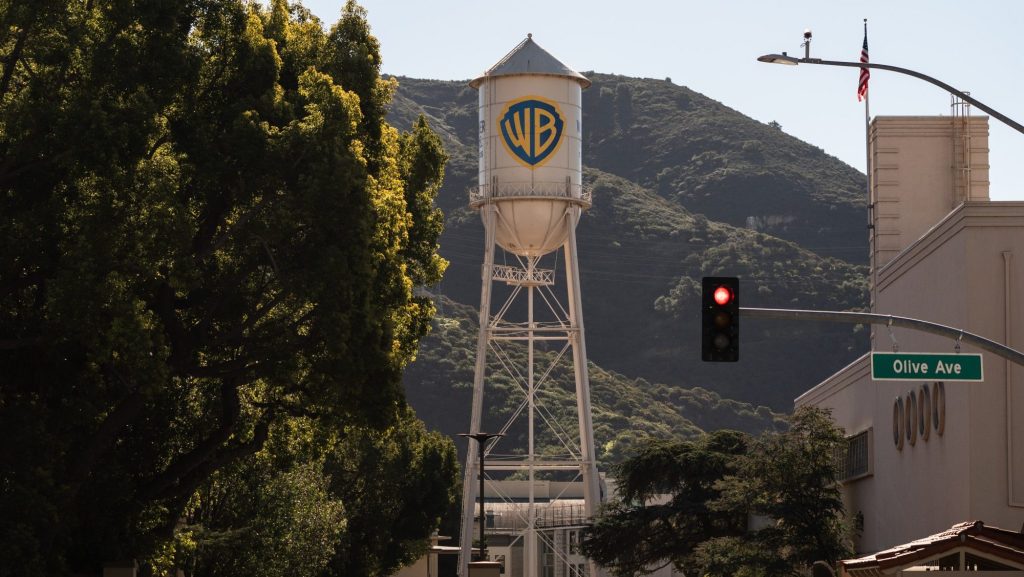
The biggest reshaping of Hollywood in a generation just moved a major step closer to reality. The U.S. Department of Justice has approved Paramount Skydance’s roughly $111 billion acquisition of Warner Bros. Discovery, clearing the federal antitrust hurdle that stood between David Ellison’s company and one of the largest media combinations the industry has ever seen.
The approval lands as a major win for Paramount and its CEO, who has spent months courting regulators while a competing bid from Netflix collapsed and Warner shareholders voted the deal through in April. With Washington now out of the way, the combined company would place an enormous slice of pop culture under one corporate roof.
What ends up under one roof
If the deal closes, the wall between two of Hollywood’s remaining legacy studios comes down. Warner brings HBO Max, the DC film and television library, the Harry Potter franchise, Looney Tunes, the Cartoon Network catalog, and CNN. Paramount brings CBS, Paramount+, the Star Trek and Mission: Impossible franchises, Nickelodeon, and the Top Gun library. Ellison has pitched the combination as a way to compete with larger streaming rivals by uniting HBO Max and Paramount+ into a single service with a deeper content library.
For fans, the headline is consolidation. Two distinct theatrical pipelines, two streaming platforms, and two of the most recognizable logos in entertainment would answer to the same leadership. Ellison has said Warner Bros. Pictures would continue to operate as a standalone label, and he has pledged a 45-day theatrical window along with a target of 30 films a year across the two studios. The company has also signaled it expects to find around $6 billion in savings, much of it through cuts to operations that overlap between the two giants.
How the federal approval came together
The federal piece moved faster than most expected, in part because of an unusual maneuver. Paramount cleared the statutory antitrust waiting period under the Hart-Scott-Rodino Act back in February, before the merger agreement with Warner was even finalized. That early clearance, engineered by Paramount chief legal officer Makan Delrahim, narrowed the window for the government to step in and helped set the stage for the sign-off now confirmed by the Justice Department.
The political backdrop has hung over the process throughout. David Ellison is the son of Oracle founder Larry Ellison, who is helping finance the bid and who maintains a close relationship with President Trump. Trump has publicly weighed in on Warner’s future at various points, including calling for new ownership at CNN, before stepping back from suggestions about a personal role. Paramount and the Justice Department have maintained that politics played no part in the review.

The fight that is not over
Federal approval is the largest hurdle, but it is not the last one. State attorneys general in California, New York, and close to a dozen other states are weighing an antitrust suit to block the deal. California Attorney General Rob Bonta has been leading that effort and has said his office sees red flags throughout the transaction.
Overseas, the picture is mixed. Australian regulators cleared the deal on June 9, subject to a waiting period that runs through late June. Germany signed off earlier in the year. The United Kingdom’s Competition and Markets Authority opened a merger inquiry this week, and the European Commission is examining the deal’s financing, which includes roughly $24 billion tied to sovereign wealth funds in Saudi Arabia, the United Arab Emirates, and Qatar.
Opposition inside the industry has been loud as well. More than 5,300 entertainment professionals have signed an open letter against the merger, citing concerns about consolidation in a business already squeezed by years of cost cutting and contraction. Editorial changes at CBS News under Paramount ownership have added to worries about what a combined company might mean for CNN.
What happens next
Paramount has said it wants to close as soon as July, with a broader expectation that the deal wraps in the third quarter of 2026. If it has not closed by the end of September, Warner shareholders are set to receive a small quarterly payment until it does. For now, the path is clearer than it has ever been, with the remaining roadblocks sitting mostly in statehouses and overseas regulatory offices rather than in Washington.
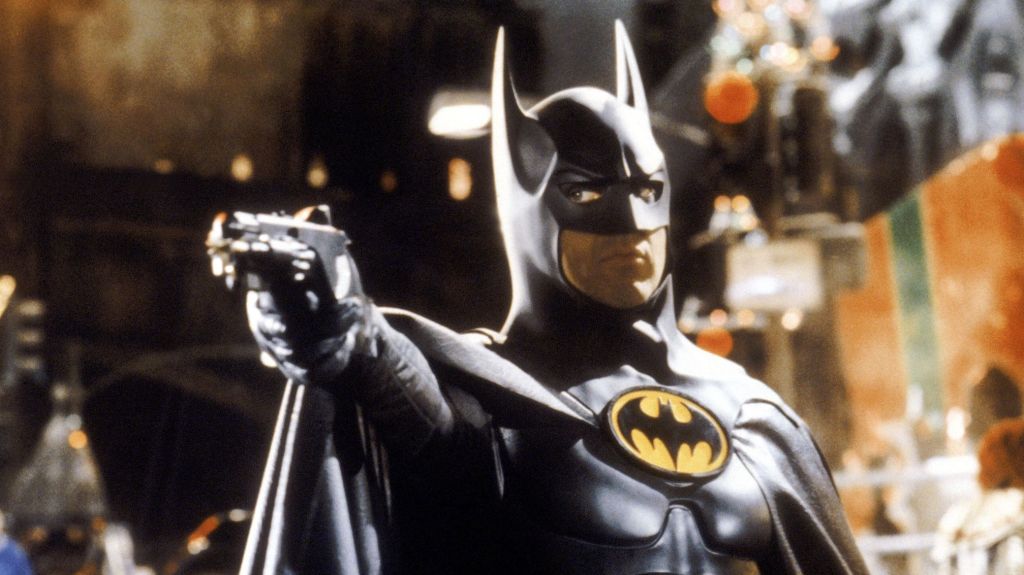
For everyone who grew up on these libraries, the next few months will determine whether the studios behind Batman, Star Trek, Harry Potter, and Top Gun officially become neighbors.
Sources: Deadline Variety NBC News PBS NewsHour Center for American Progress


 gfpods.com
Leave a comment