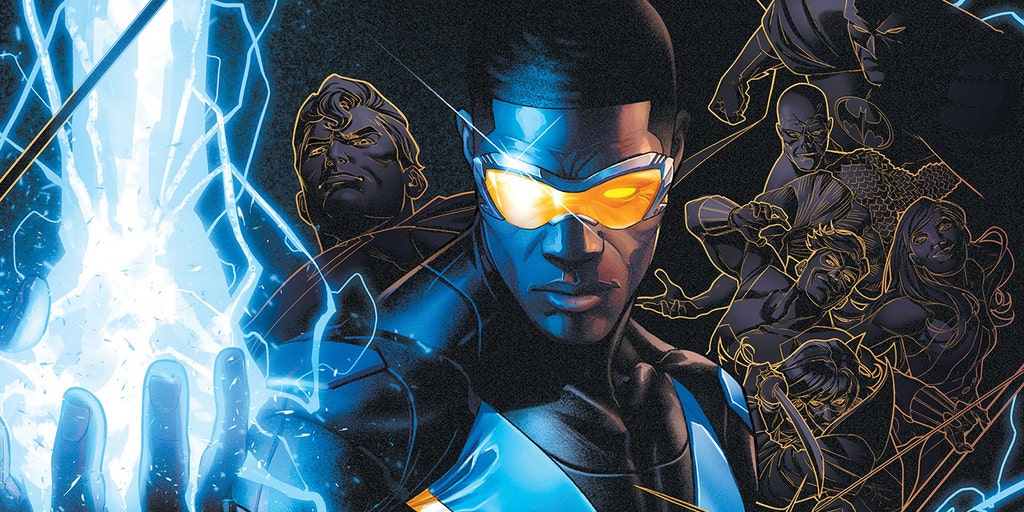
A coalition of comics creators and content makers has called for a full boycott of DC Comics, and the clock at the center of it is hard to argue with. As of late May 2026, it has been more than 1,200 days since DC last published an ongoing series led by a Black character in its mainline continuity. The campaign is called #DCBlackout, and it is the second phase of the broader #DCSoWhite movement that has been building pressure on the publisher for months.
The effort is organized by a new group, the Black Comic Alliance, led by comics journalist and content creator James Portis III. The ask is direct. DC should put up for pre-order one to three brand new ongoing series led by Black heroes in its main continuity, built with strong Black creative teams, and back them with the same marketing muscle the company gives Batman and Superman. Until that happens, the Alliance is asking fans to withhold their money and creators to stop making promotional content for DC titles.
The number that started it
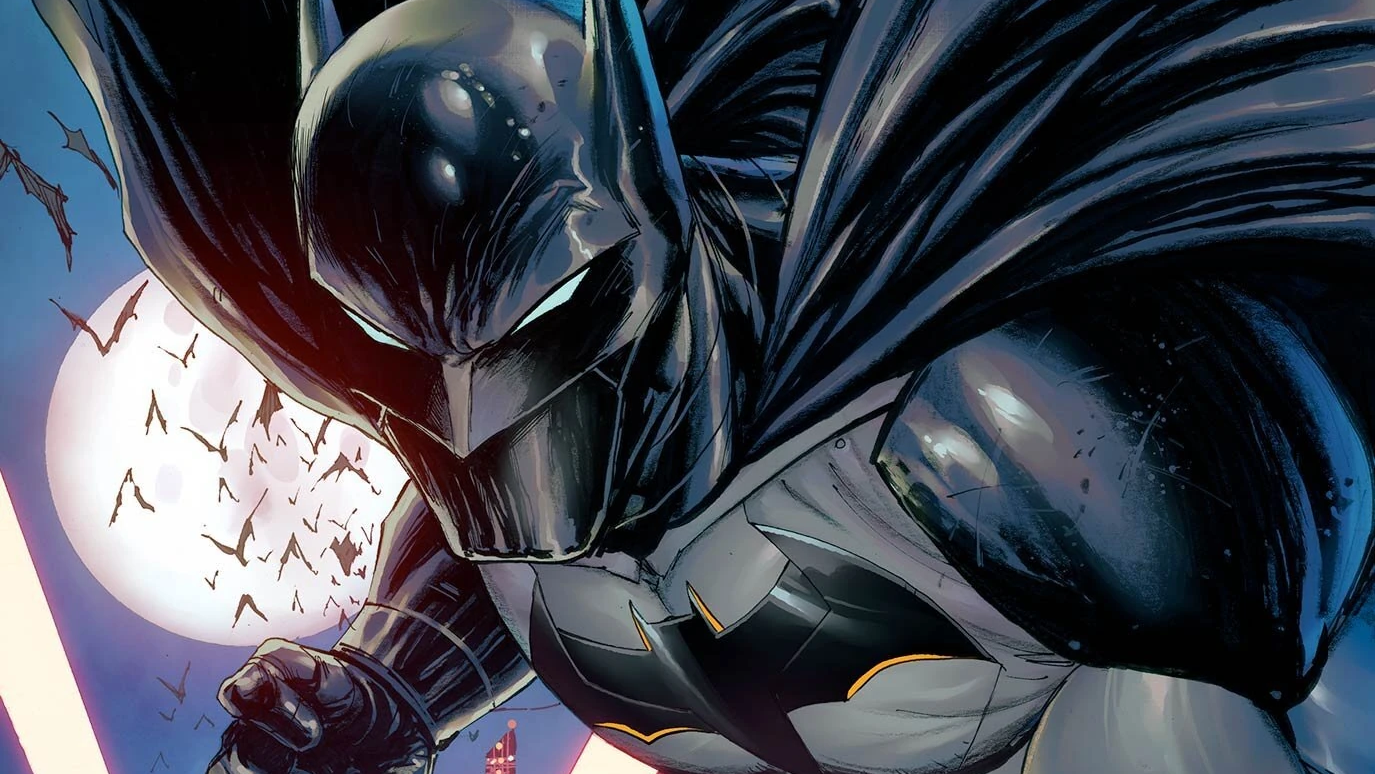
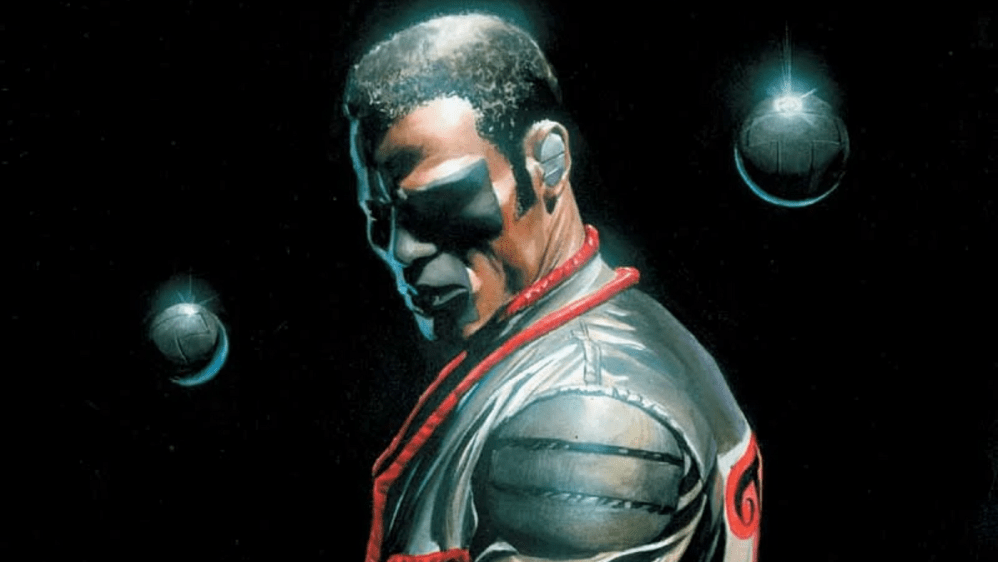
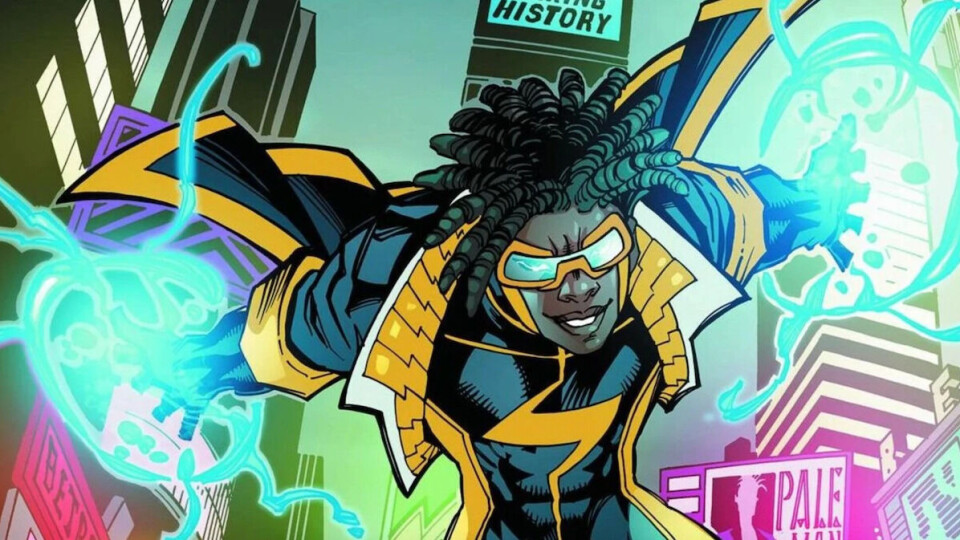
The grievance traces back to a specific date. The last ongoing mainline title led by a Black character was I Am Batman by Academy Award-winning writer John Ridley, centered on Timothy “Jace” Fox. That series wrapped after 18 issues on February 14, 2023. Everything DC has published with a Black lead in the main universe since then has been a miniseries or a limited run. Black Lightning came back as a miniseries. Mr. Terrific: Year One arrived alongside the new Superman film. Static returned in Batman/Static: Beyond. The DC Power one-shot hit its third annual release. All of it well made, none of it was ongoing.
That distinction is the whole point. A miniseries ends on a fixed schedule, no matter how it performs, which means it never builds the kind of sustained sales record that earns a character a permanent place on the shelf.
Why supporters say “they don’t sell” does not hold up
Whenever this conversation comes up, the same response shows up with it: Black-led books don’t sell. The campaign’s organizers argue that the claim collapses the moment you look past Marvel and DC. Sebastian Jones of Stranger Comics has built a seventeen-year career on exactly the books the Big Two say have no audience, including a recent Kickstarter that cleared six figures and a partnership with Viola Davis and Julius Tennon’s JuVee Productions to adapt his series The Untamed into a live-action project. Jones has been blunt that publishers told him for years Black comics don’t sell, and that he started his own company to prove otherwise.
Portis lays the structural problem out in three parts. The first is promotion. Black-led titles do not get marketed with the consistency or intensity that flagship characters get, which directly limits visibility and sales. The clearest example he points to is The New History of the DC Universe: The Dakota Incident, where co-writer and former Milestone editor Joseph Illidge funded a promotional trailer out of his own pocket and DC’s official channels never shared it. On the same release day, those channels actively promoted the return of the Vertigo imprint.
The second is transparency. The direct market still runs on a pre-order system, where a book’s fate is largely decided before a single copy reaches a shelf. Plenty of dedicated weekly readers have no idea this is how it works, because publishers have left it to store owners to explain. On top of that, digital reads and collected edition sales are routinely treated as second-class data, so a title can be quietly building an audience in formats that never show up in the numbers DC uses to justify a cancellation.
The third is opportunity. Constant reliance on miniseries means meaningful sales data never has time to form. Without sustained runs, there is no way to measure growth or retention, and trade paperbacks often get canceled before reaching a first volume, even when readers are supporting them in other ways. The argument is not that these characters failed. It is that they were never given a real chance to succeed.
One stat underlines the whole thing. DC has never published an ongoing series centered on a Black woman superhero in its mainline continuity. Fans have pushed for years for Vixen to get that book with creators like Stephanie Williams and Tee Franklin, and so far it has gone nowhere.
The Green Lantern question
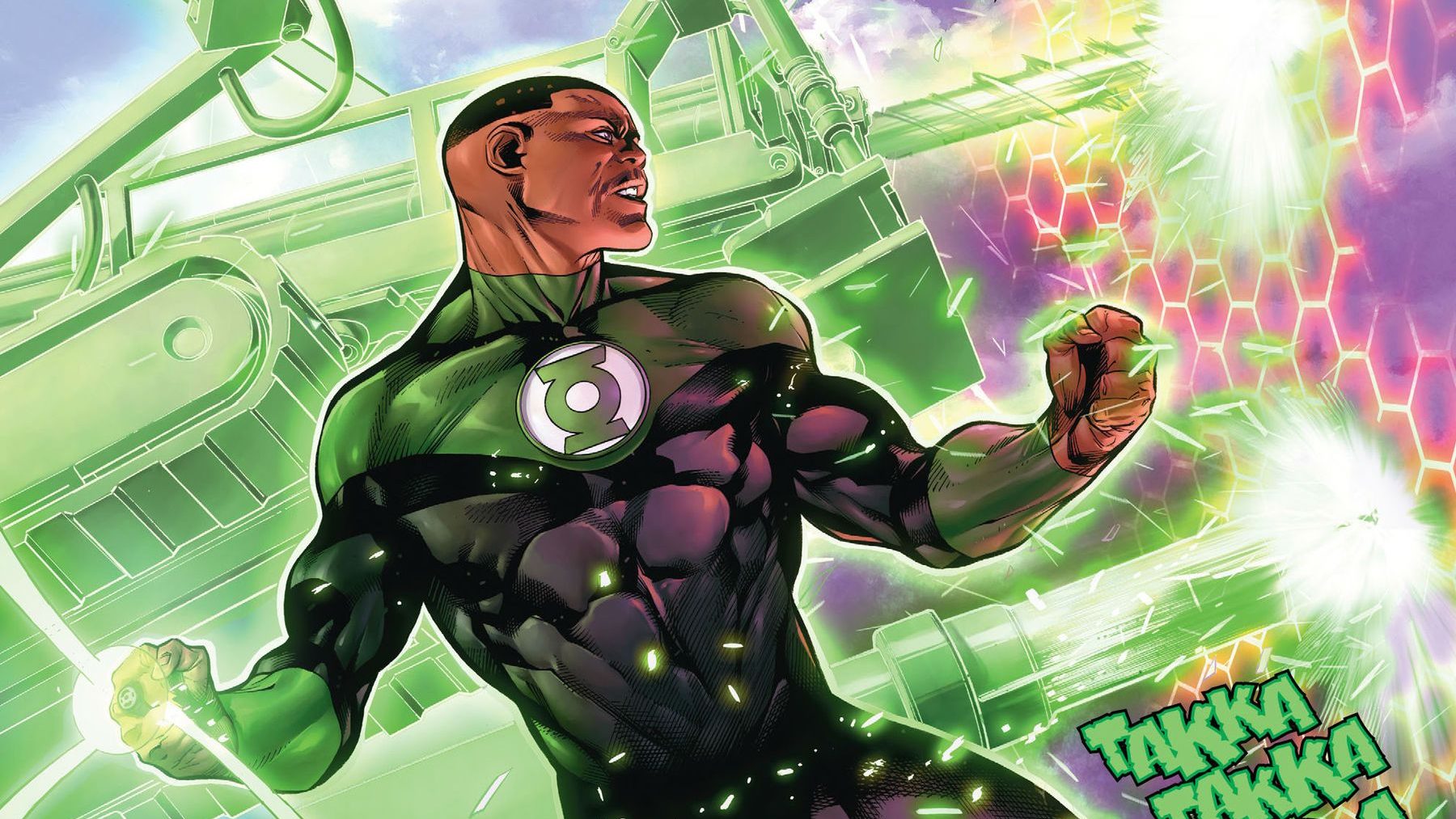
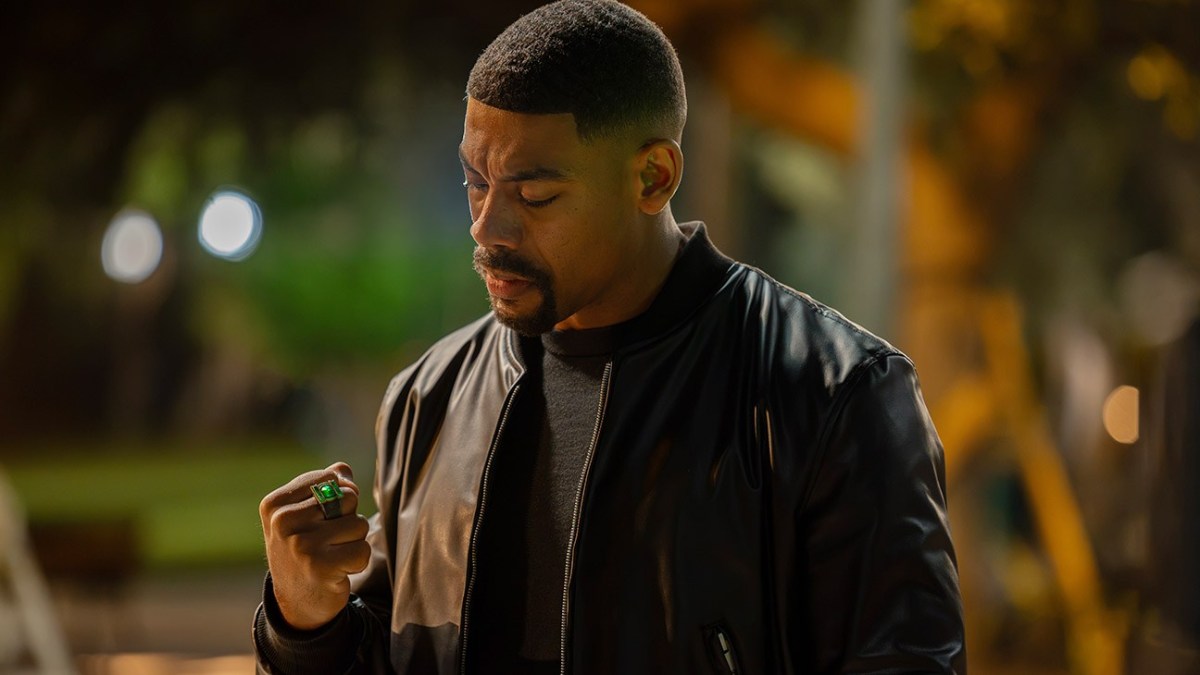
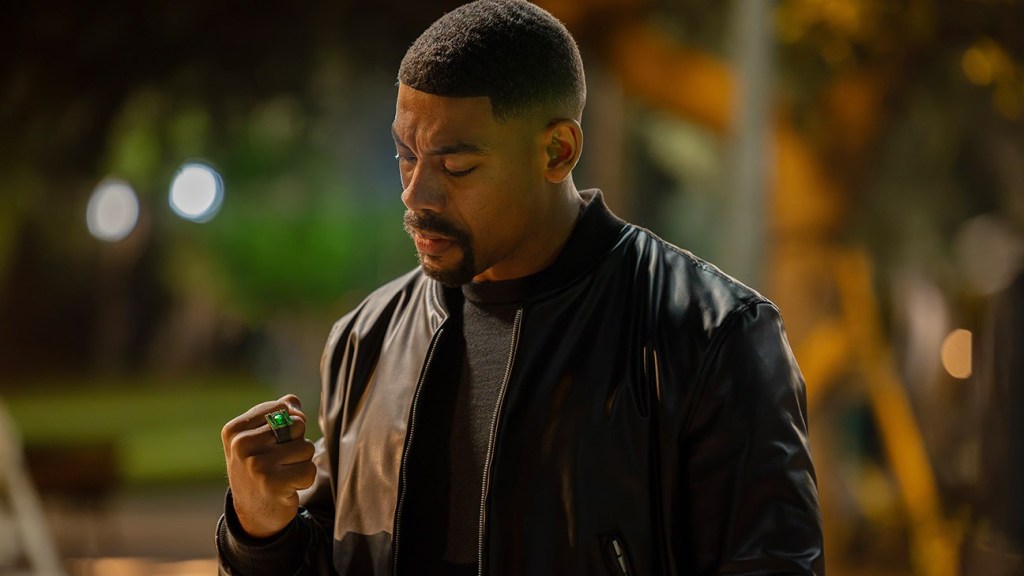
Critics of the campaign point to Green Lantern Corps, an ongoing series written by Morgan Hampton and Jeremy Adams with John Stewart and Sojourner “Jo” Mullein as leads, and to Absolute Green Lantern, which features a variant of Jo Mullein and has been a sales hit. Portis’s response is that the Corps book is an ensemble rather than a solo Black lead, and that the Absolute titles, however successful, sit outside the main continuity. His issue with being pointed toward the Absolute line is that it reads like being told you are not good enough for the main universe, and that it quietly suggests Black characters need the cultural weight of the “Absolute” branding to succeed. The campaign is specific on this: the books need to be in mainline continuity, not the Absolute Universe, the Milestone Universe, or any other corner of the multiverse.
The Black comic DC may already be building
Here is the part that makes this moment genuinely interesting. DC has a publishing initiative that looks a lot like what the campaign is asking for, and it is already in motion.
It is called Next Level, championed by Scott Snyder, and the pitch behind it is the same model that made the Absolute line work, applied to the main continuity. Instead of handing creators a slot to fill, DC asks creators what character they have a passion project for and builds the book around that. The first wave launched in March 2026 with Lobo, Batwoman, and Deathstroke: The Terminator, followed by The Fury of Firestorm and Zatanna. A second wave brought Teen Titans, Deadman, Doom Patrol, and Barbara Gordon: Breakout. Crucially, all of it lives in DC’s classic main continuity, which is exactly the box the campaign is asking DC to check.
Eisner nominated Black creator Jamal Campbell, who pitched his Zatanna ongoing through Next Level, and it is already underway. Snyder has said DC has Next Level launches mapped out through the end of 2027. None of the announced books so far is a Black-led solo ongoing, which is the gap the campaign wants to close. But the framework to do it cleanly already exists, with planned slots still open. If DC wanted to answer #DCBlackout without inventing anything new, Next Level is the obvious door. It does not have to be the only one.
DC has not issued a public response to the boycott as of this writing. The company has shifted course under public pressure before, most notably in 2013 when it dropped a planned Adventures of Superman story after backlash over the writer it had hired.
How to support the cause and your local shop at the same time
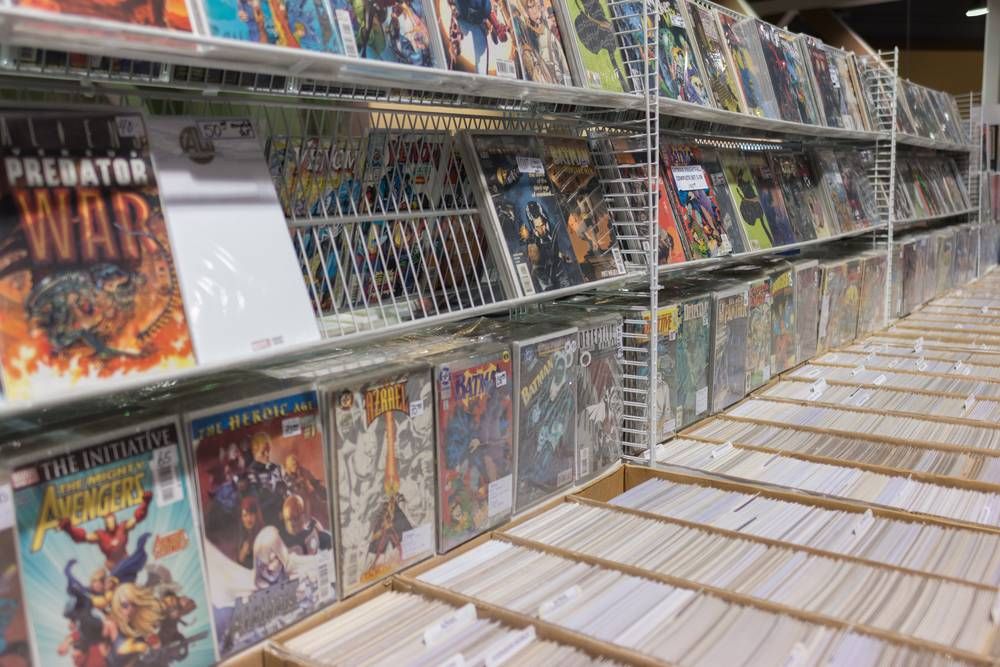
A boycott of a major publisher puts comics fans in an awkward spot, because the people who feel a pull list cancellation first are not executives in Burbank. They are the owners of your local comic shop, who pre-ordered those books months ago. The good news is that supporting Black creators and supporting your shop are not in conflict. They are the same trip.
Start by redirecting the money rather than removing it. If you are cutting DC titles from your pull, ask your shop to swap that budget into Black-led and creator-owned work from independent publishers. Most shop owners know their inventory cold and will happily point you toward Stranger Comics, Milestone alumni projects, and small press books you would never find on the new release wall on your own. That conversation also tells your retailer there is real demand for these titles, which is how more of them end up stocked.
Back Kickstarter and crowdfunding campaigns from Black creators directly, since that money reaches the artist with no middle layer and often comes with signed copies or exclusive editions. When a book you backed gets a print run, ask your local shop to order it. Buying a creator-owned title through your shop supports the creator and the store in one move, and it nudges the retailer to carry more indie work going forward.
Show up in person. Free Comic Book Day, signings, and shop-hosted creator events are often the single best sales day of the year for independent artists, and many shops set aside table space for local creators. Buy something while you are there, follow the creators you meet, and tell people about the books you love. Word of mouth and a tagged post still move more copies than most marketing budgets at this level.
If you produce content, point your platform at the work you want to see more of. Review the indie and Black-led books you are reading, spotlight the creators, and recommend titles to your library or local bookstore so they reach readers who never walk into a comic shop. The whole premise of #DCBlackout is that visibility drives sales and sales drive opportunity. That logic works just as well from the bottom up as it does from the top down.
The campaign will run until DC solicits a Black-led ongoing in its main continuity with marketing that signals real faith in the book. Whether or not DC moves, the fans pushing for it have already done something useful. They have made the math impossible to ignore, and they have handed everyone watching a list of small, concrete ways to put money and attention where their values are.



Leave a comment