TLDR At The End
CinemaCon 2026 felt like a very direct answer to the question hanging over the movie business for the last few years: what exactly gets people out of the house and into a theater now? This year’s presentations gave a pretty clear response. The studios are still leaning hard on familiar brands, but they are also trying to sell filmmakers, scale, and event status in a bigger way than they have in a while. Across nearly every panel, the pitch was not just that these movies exist, but that they need to be seen big.
Some studios came in with pure crowd-pleasers. Others used the week to lay out long-term strategy, announce future projects, or show that they are still willing to bet on originals. A few did both. Here is the full studio-by-studio breakdown of what was shown, announced, teased, and emphasized at CinemaCon 2026.
Sony Pictures opened with confidence
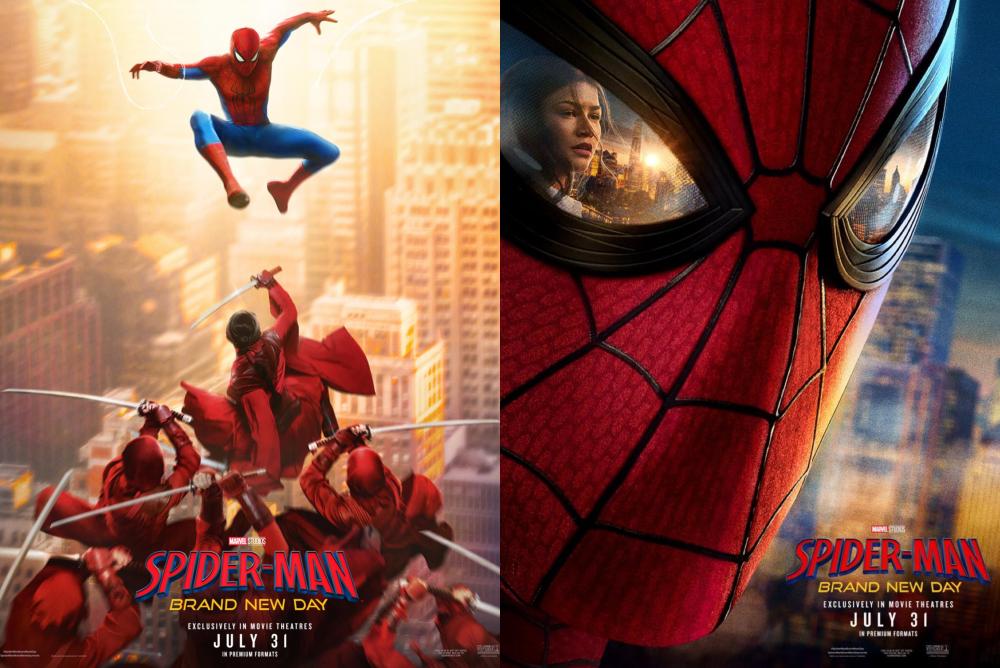
Sony came out swinging with a presentation that leaned on its two biggest strengths right now: Spider-Man and broad audience franchises. The centerpiece was Spider-Man: Brand New Day, which was framed as a more emotional and more mature follow-up to No Way Home. The footage reportedly centered on Peter Parker living with the consequences of being forgotten, which gives the movie a more isolated angle than the last few entries. That alone makes Sony’s pitch here pretty smart. After the multiverse fireworks of No Way Home, the best way to make the next movie feel fresh is not just to go bigger, but to make Peter lonelier.
Sony also showed Insidious: Out of the Further, which continues that horror line in a more straightforward franchise mode, and Zach Cregger’s Resident Evil, which sounds like it is aiming for something moodier and more game-faithful than previous adaptations. The studio also previewed Aaron Sorkin’s The Social Reckoning, which looks positioned as a companion piece to The Social Network rather than a direct repeat of it, and gave a first look at Taika Waititi’s Klara and the Sun, which feels like Sony trying to balance commercial IP with prestige sci-fi.
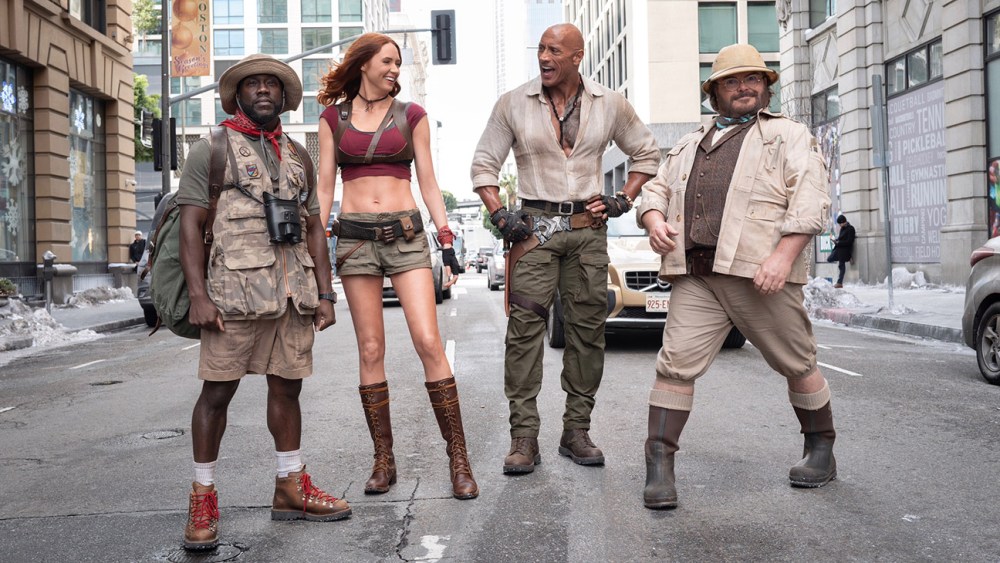
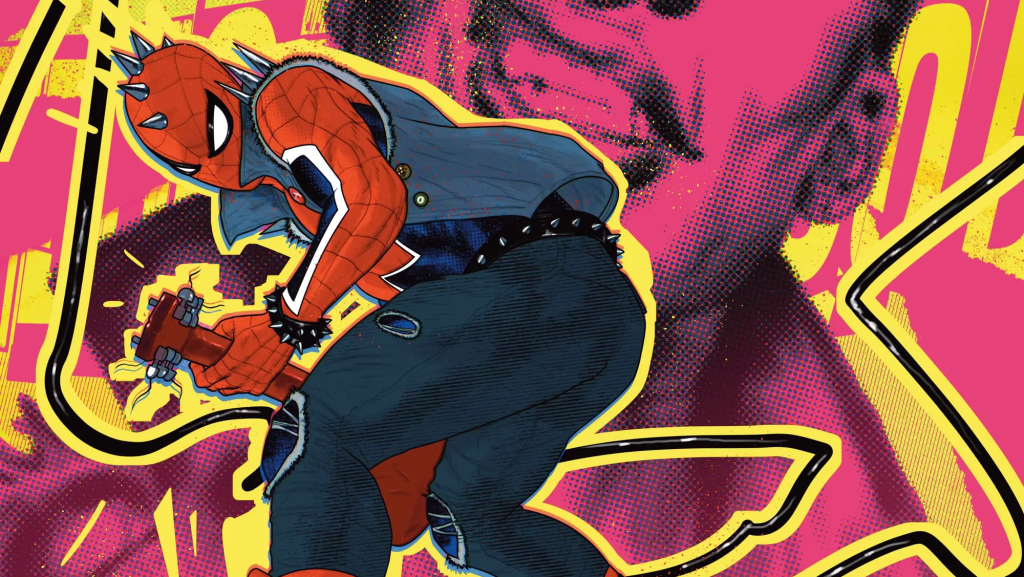
Then came the bigger franchise moves. Jumanji: Open World was revealed as the title of the next film, and Sony also brought back Spider-Man: Beyond the Spider-Verse, finally giving audiences another real look at the finale after a long wait. That matters because Sony did not just remind people that the movie still exists. It tried to restore confidence that the ending will actually feel worth the delay.
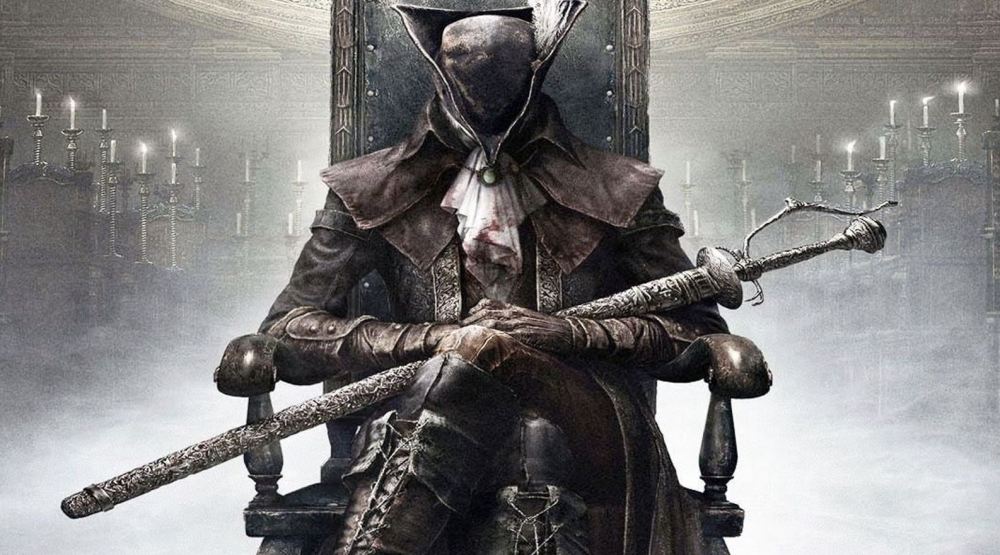
The future-slate announcements may end up being just as important. Sony confirmed Takashi Yamazaki’s Grand Gear, an R-rated animated Bloodborne adaptation, a live-action Helldivers film from Justin Lin, and the original animated feature Buds. That is a strange mix on paper, but in a good way. It says Sony is still willing to get weird, especially when it has a recognizable game title or a filmmaker with a strong voice attached. More than a few studios used CinemaCon to say they value originality. Sony at least brought a slate that felt a little less interchangeable.
Warner Bros. went big, glossy, and very star-driven
Warner Bros. built its presentation around the kind of movie-star spectacle that exhibitors love, and honestly, it worked. This was one of the clearest examples of a studio saying, we are still in the business of event movies. The major 2026 titles were Mortal Kombat 2, Supergirl, Practical Magic 2, Digger, The Great Beyond, and Dune: Part Three. On paper, that is already a strong spread. In practice, it showed Warner trying to cover a lot of territory at once: franchise action, DC, legacy sequel, original sci-fi, comedy, and prestige-scale blockbuster.
Mortal Kombat 2 looks like Warner understands the appeal of giving fans a more recognizable version of that world this time, especially with Karl Urban’s Johnny Cage front and center. Supergirl may have been one of the more important titles of the whole convention because it showed how DC Studios is trying to make these movies feel visually and tonally distinct from one another. Rather than playing like a smaller side piece to Superman, the footage suggested something stranger, rougher, and more cosmic.
Practical Magic 2 was a pure nostalgia play, but one Warner clearly believes can connect with a theatrical audience beyond just people who loved the first film. Digger, the Tom Cruise and Alejandro G. Iñárritu project, sounds like one of the wild cards of the year, which is exactly the kind of thing CinemaCon is good at selling. A weird original with a huge star suddenly feels less risky when it is being pitched as a must-see theatrical swing. The Great Beyond continued that idea, with Warner positioning J.J. Abrams’ return to original sci-fi as one of its major fall plays.
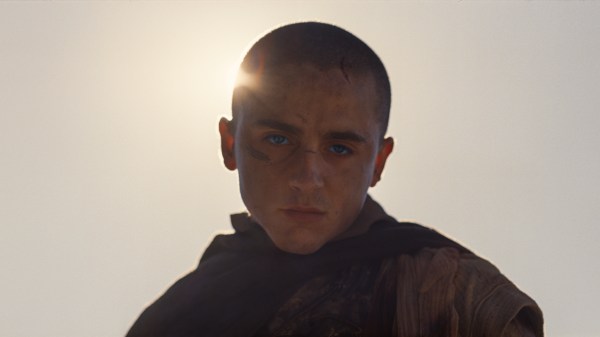
Then there was Dune: Part Three, which may be the cleanest example of Warner knowing exactly how to work this room. Showing the opening of Villeneuve’s final Dune chapter is the sort of move that immediately tells theater owners they will have another giant prestige blockbuster to sell at the end of the year.
Warner also used the presentation to lay out more of its future pipeline. Sean Baker’s Ti Amo! will launch under the new Clockwork label. The studio also teased The Hunt for Gollum, Game of Thrones: Aegon’s Conquest, Evil Dead Wrath, The Conjuring: First Communion, Final Destination 7, an Ocean’s prequel, Joan of Arc, Panic Carefully, The Flood, and more. Some of those may shift before release, but the message was obvious: Warner does not want to be seen as a studio living release to release. It wants the industry thinking in two- and three-year chunks again.
Universal and Focus Features made the case for filmmakers first
Universal’s presentation might have been the most balanced of the week. It had stars, franchise material, prestige, horror, comedy, and a very clear emphasis on directors. Steven Spielberg and Christopher Nolan alone give a presentation instant gravity, and Universal knew it.
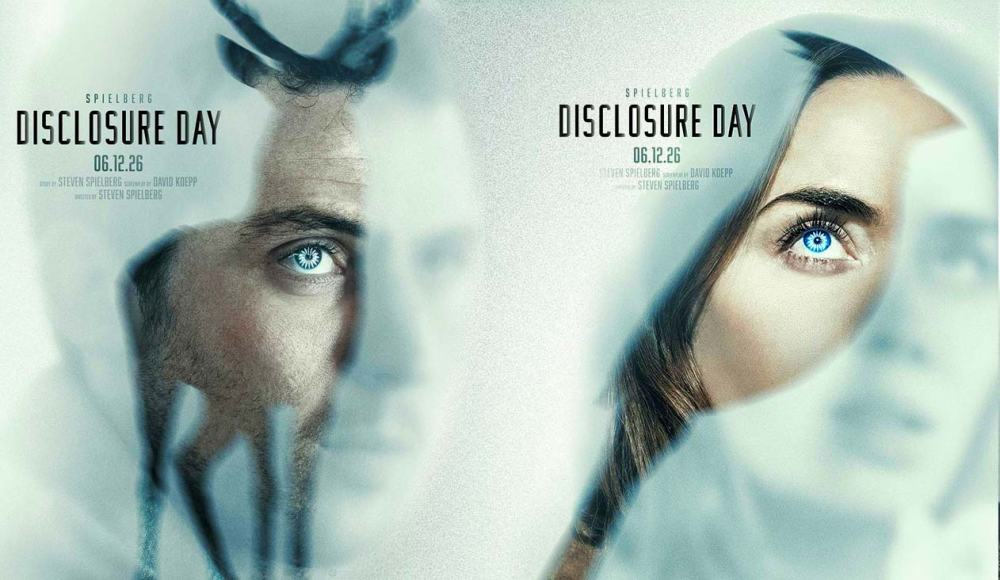
Spielberg’s Disclosure Day played like one of the studio’s core bets for 2026. The premise sounds close enough to the classic Spielberg UFO mode to hook audiences, but the reporting around the footage suggests something a little more grounded, more paranoid, and maybe more politically charged. If that movie lands, Universal has another original theatrical science fiction event, which is not something studios can take for granted.
Then there was Nolan’s The Odyssey, which arrived with the exact kind of mythic framing you would expect. Universal is not just selling a Christopher Nolan movie. It is selling a big-screen cinematic undertaking, down to the IMAX angle and the sheer scale of the production. Even when the footage description focused on story details, the larger point was clear: this is being pitched as a capital-E Event.
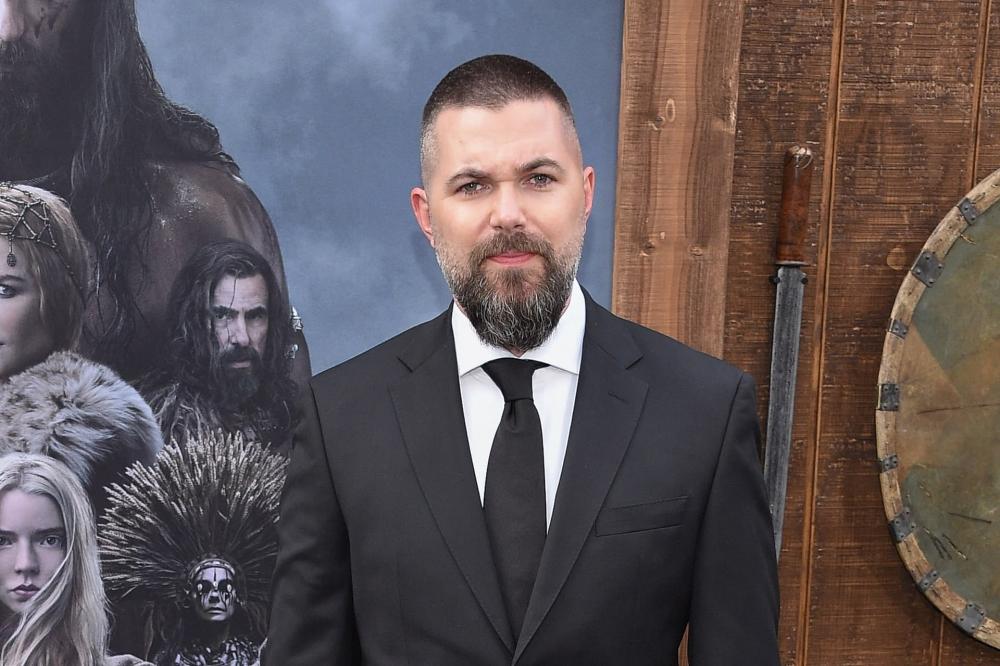
Universal also leaned on more overtly commercial material. Minions & Monsters looks like Illumination doing a movie-about-movies riff inside one of its most reliable brands. Other Mommy sounds like one of the horror sleeper candidates of the year, especially with Jessica Chastain in a dual role. Focus brought Sense & Sensibility and Robert Eggers’ Werwulf, which is a pretty funny contrast when you think about it, but it works as slate-building. Universal wants to tell exhibitors there is something for a date crowd, something for horror fans, and something for older prestige audiences.
The rest of the panel added to that picture. Focker-In-Law gives Universal another legacy comedy play. Violent Night 2 looks ready to go even more ridiculous than the first movie. And the official Snoop Dogg biopic announcement fits the studio’s larger desire to keep recognizable, broad-appeal projects moving through the pipeline. Universal did not seem interested in shocking the room with surprise franchise bombs. It looked more interested in showing that it has a full calendar and that the calendar makes sense.
Amazon MGM used CinemaCon to insist it is serious about theaters
Amazon MGM’s presentation was probably the most strategic of the week. The movies mattered, obviously, but the real subtext was that the studio wants exhibitors to believe it is no longer dabbling in theatrical. It is committing to it. The headline promise was at least 15 theatrical releases a year, and the studio built the presentation around proving that claim was not just corporate filler.
The lineup itself was broad. Masters of the Universe was one of the major crowd titles and clearly one of Amazon’s bigger commercial swings. How to Rob a Bank gave the room a flashy action-comedy play, while Verity kept the Colleen Hoover adaptation pipeline moving. I Play Rocky looks like an awards-season crowd-pleaser if it works, and The Thomas Crown Affair gives the studio a stylish star vehicle with Michael B. Jordan behind and in front of the camera.
There was also Your Mother Your Mother Your Mother, which sounds like one of the more intriguing originals shown all week, and The Beekeeper 2, which proves Amazon is more than happy to keep building out franchises when the first movie hits. Spaceballs: The New One may have gotten some of the loudest attention, partly because Rick Moranis showing up at all is an event in itself, but also because the title alone tells you exactly what sort of nostalgia play Amazon thinks can connect theatrically.
The official slate extended even further with The Sheep Detectives, The Chosen: Crucifixion, A Colt Is My Passport, and Highlander. That range is what Amazon wanted people talking about. Not just one or two flashy titles, but a real slate. Notably, there was no Bond update, which in its own way became part of the conversation, because it kept the focus on everything else Amazon is trying to build instead of letting one giant franchise swallow the presentation.
Paramount mixed business promises with familiar brands
Paramount’s presentation had one foot in future strategy and one foot planted firmly in existing IP. On the business side, David Ellison used the week to promise a 45-day exclusive theatrical window and to say the combined Paramount and Warner output would hit 30 releases a year if that deal closes. That is the kind of statement exhibitors wanted to hear, even if the industry still has real questions about the broader merger picture.
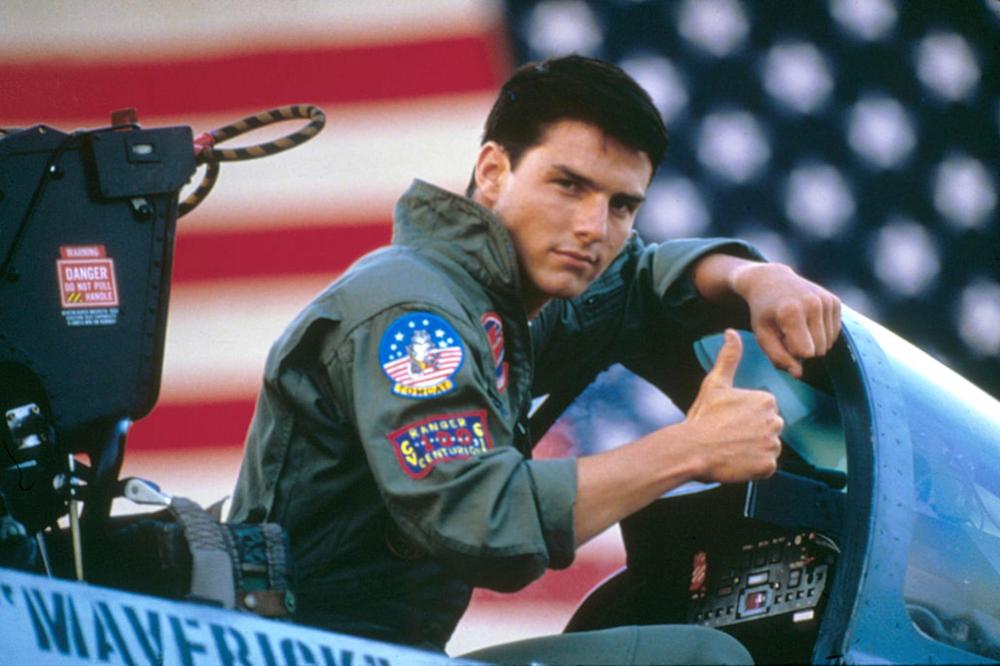
On the movie side, Paramount kept things simple and recognizable. Top Gun 3 is officially in development with Tom Cruise returning, and that alone is the sort of announcement that can dominate headlines. Sonic the Hedgehog 4 was confirmed to bring back Jim Carrey’s Robotnik, which feels like Paramount recognizing exactly which part of that franchise plays biggest with audiences. The studio also showed Scary Movie, Street Fighter, Jackass: Best and Last, Heart of the Beast, Ebenezer: A Christmas Carol, The Angry Birds Movie 3, Mr. Irrelevant, and Children of Blood and Bone.
What stands out about Paramount is not that it announced a bunch of movies. Every studio did that. It is that the slate feels like it is being rebuilt around crowd familiarity. Even the more interesting swings, like Children of Blood and Bone or the Ti West Dickens rework Ebenezer, are positioned inside a presentation that kept returning to known brands. That may be the safest move available to Paramount right now, especially with the business uncertainty surrounding it.
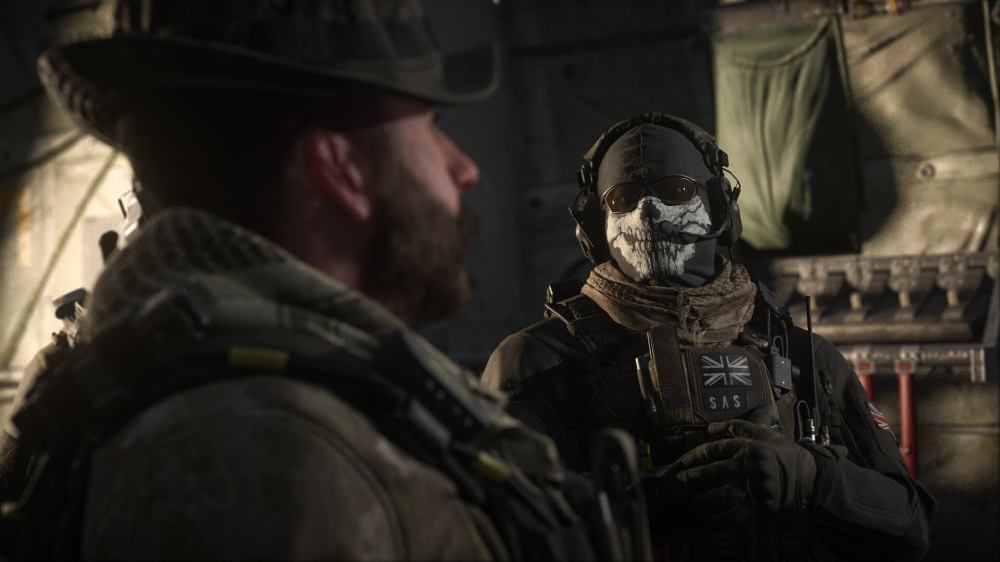
At the same time, the studio also pointed toward other future titles, including live-action Call of Duty, A Quiet Place Part III, an adaptation of Tomorrow, and Tomorrow, and Tomorrow, a new Damien Chazelle film, and Teyana Taylor’s directorial debut Get Lite. That mix suggests Paramount is not purely retreating into brand management. It is just using its loudest, safest names to stabilize the message.

Disney closed the week like the biggest studio in the room
Disney’s presentation felt designed to remind everyone how much sheer scale the company can put behind a theatrical slate. It was not only about what was announced, but about how many divisions could feed the presentation. Live action, Pixar, Lucasfilm, Marvel, 20th Century, Searchlight, animation. Disney gets to make its CinemaCon panel feel like several studios rolled into one, because in a lot of ways that is exactly what it is.
The first major talking point was Infinity Vision, Disney’s new premium large format certification initiative for theaters. That was more than branding. It was Disney trying to shape how its biggest movies are physically experienced. The studio did not just show movies. It pitched a theatrical standard for how those movies should be seen.
On the film side, the presentation was packed. The Devil Wears Prada 2 got a spotlight, The Mandalorian and Grogu was shown as a major return of Star Wars to theaters, Toy Story 5 leaned into the toys-versus-tech idea with Bonnie’s tablet device, and the live-action Moana continued Disney’s remake strategy with Dwayne Johnson and Catherine Laga’aia onstage. Those are all big commercial plays, but Disney also used the panel to highlight Whalefall, The Dog Stars, and Searchlight’s Wild Horse Nine, which helped keep the slate from feeling like nothing but sequels and remakes.
The animation side added more to that feeling. Disney announced casting for Hexed, gave it a more defined shape as a magical coming-of-age story, and confirmed Ice Age: Boiling Point for early 2027. That matters because it shows Disney still wants each arm of the company feeding the pipeline, not just Marvel and Lucasfilm doing the heavy lifting.
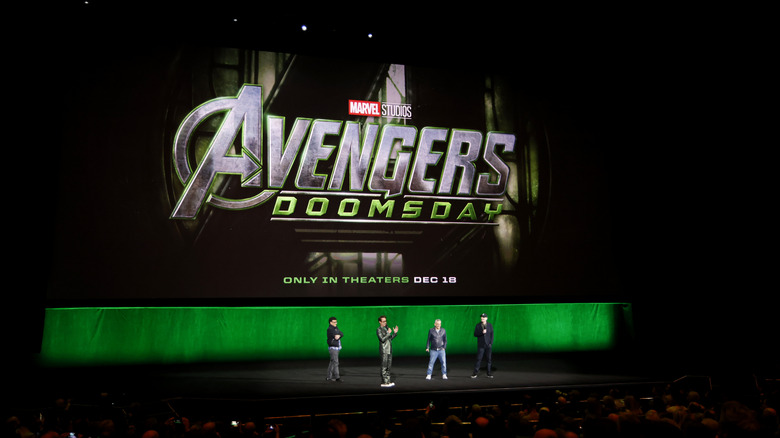
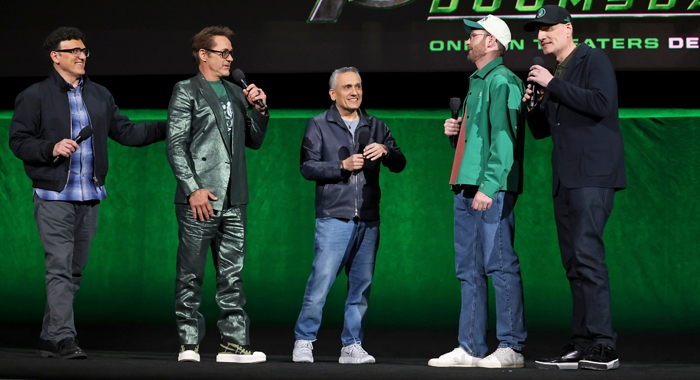
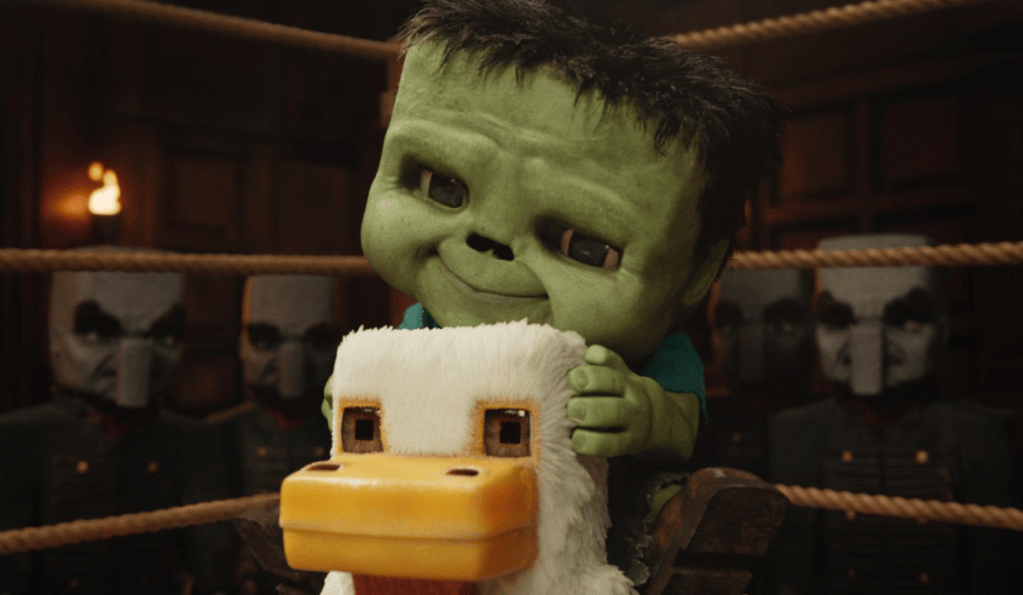
Then Marvel took the closing slot, because of course it did. Avengers: Doomsday was the biggest single title Disney showed, and it came packaged with the Infinity Vision push and the announcement that Avengers: Endgame will return to theaters as an Infinity Vision release before Doomsday opens. That is classic Disney. It is not just selling the next movie. It is selling the road back to it.
NEON kept it smaller, stranger, and more curated
NEON’s presentation was not built on the same industrial scale as the majors, but it still carved out a clear identity. In some ways, that made it one of the cleaner presentations of the week. Where other studios tried to be everything for everyone, NEON stuck closer to the kind of titles people now associate with the label.
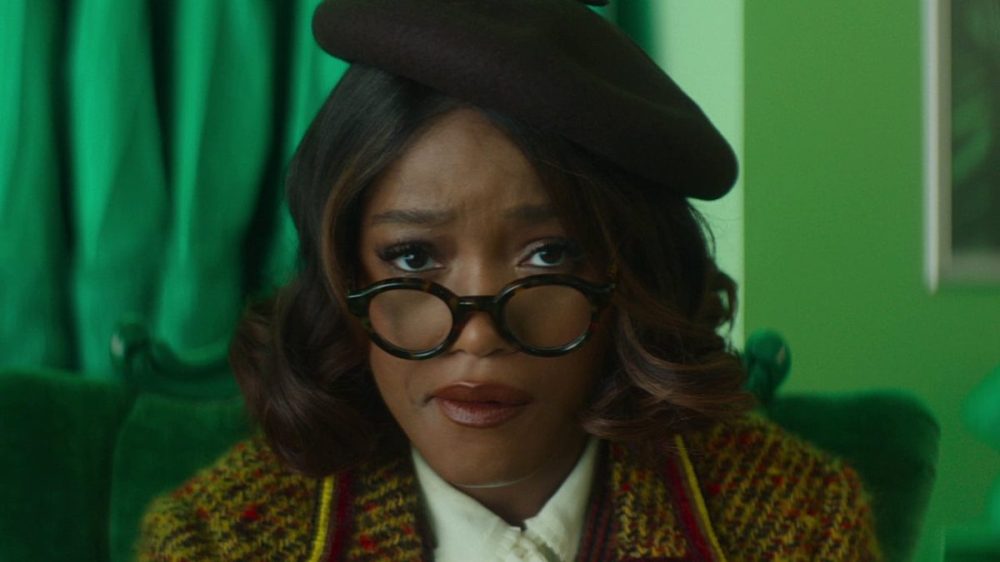
The lineup included Hokum, Leviticus, I Love Boosters, A Place in Hell, and Hope, with a quick glimpse at Fjord as well. That is a pretty solid snapshot of what NEON wants to be in this market: horror, auteur-driven work, dark comedy, and international genre material with real style behind it. I Love Boosters looks like one of the more singular titles on the board, A Place in Hell has early awards-season energy, and Hope sounds huge in a way that could stretch the label’s profile a bit further than usual.
Coverage of the NEON panel was lighter than the major studio presentations, which is worth noting, but the broader takeaway was still clear. NEON is not trying to win CinemaCon the same way Disney or Warner is. It is trying to remind theater owners that there is still value in curation, in singularity, and in movies that feel like they belong to a label with taste rather than a content pipeline.
What CinemaCon 2026 actually said about the next year of movies
The biggest takeaway from this year’s CinemaCon is that the studios are still trying to solve the same puzzle, but they are getting better at understanding the pieces. Big IP still rules the room. That has not changed. But the sharper presentations were the ones that paired those brands with either a filmmaker identity, a theatrical hook, or an emotional angle that made the movie feel less like product.
Sony leaned on character and franchise momentum. Warner sold scale and stars. Universal used filmmakers as the draw. Amazon MGM pushed commitment. Paramount emphasized stability and familiarity. Disney sold ecosystem and dominance. NEON sold taste.
That is probably the clearest picture of the modern theatrical market you could ask for. Theaters still need giant recognizable titles, but audiences also need reasons to believe those titles are worth leaving home for. CinemaCon 2026 was full of studios trying to make that case in different ways. Some were louder than others. Some were more convincing. But for one week in Las Vegas, every studio seemed to agree on one thing: the theatrical movie has to feel like an event again.
TLDR: Everything Announced at CinemaCon 2026
Sony Pictures
- Spider-Man: Brand New Day showed new footage and is set for July 31, 2026
- Jumanji: Open World was announced for December 25, 2026
- Spider-Man: Beyond the Spider-Verse got a new look and a June 18, 2027 release date
- Sony previewed Resident Evil, The Social Reckoning, and Klara and the Sun
- New projects included an R-rated animated Bloodborne movie, Grand Gear, a live-action Helldivers movie, and the animated film Buds
Warner Bros.
- New looks were shown for Mortal Kombat 2, Supergirl, Practical Magic 2, Digger, The Great Beyond, and Dune: Part Three
- Warner also teased future titles like The Hunt for Gollum, Game of Thrones: Aegon’s Conquest, The Conjuring: First Communion, Final Destination 7, and an Ocean’s prequel
- Sean Baker’s Ti Amo! was announced under the new Warner Bros. Clockwork label
Universal Pictures and Focus Features
- Universal spotlighted Steven Spielberg’s Disclosure Day and Christopher Nolan’s The Odyssey
- Other big titles included Minions & Monsters, Other Mommy, Focker-In-Law, and Violent Night 2
- Focus Features highlighted Sense & Sensibility and Robert Eggers’ Werwulf
- Universal also announced an official Snoop Dogg biopic
Amazon MGM Studios
- Amazon MGM said it plans to release at least 15 theatrical movies a year
- The slate included Masters of the Universe, How to Rob a Bank, I Play Rocky, The Thomas Crown Affair, and Spaceballs: The New One
- Other titles shown included Verity, The Beekeeper 2, Highlander, The Sheep Detectives, The Chosen: Crucifixion, and Your Mother Your Mother Your Mother
- There were no James Bond updates
Paramount Pictures
- Paramount promised a 45-day exclusive theatrical window and said the combined company could release 30 films a year if the merger closes
- Top Gun 3 was confirmed to be in development
- Sonic the Hedgehog 4 will bring back Jim Carrey as Dr. Robotnik
- The studio also highlighted Scary Movie, Street Fighter, Jackass: Best and Last, Heart of the Beast, Ebenezer: A Christmas Carol, The Angry Birds Movie 3, Mr. Irrelevant, and Children of Blood and Bone
- Other projects mentioned included Call of Duty, A Quiet Place Part III, Tomorrow, and Tomorrow, and Tomorrow, a new Damien Chazelle film, and Get Lite
Disney
- Disney introduced Infinity Vision, a new premium large-format push for theaters
- Avengers: Doomsday was the big Marvel headline, set for December 18, 2026
- Avengers: Endgame will return to theaters in September 2026 as an Infinity Vision release
- Disney also showcased The Devil Wears Prada 2, The Mandalorian and Grogu, Toy Story 5, and live-action Moana
- Animation updates included Hexed, Ice Age: Boiling Point, and Whalefall
NEON
- NEON highlighted Hokum, A Place in Hell, I Love Boosters, and Hope
- Its presentation stayed focused on filmmaker-driven and genre-heavy releases rather than giant franchise plays



Leave a Reply