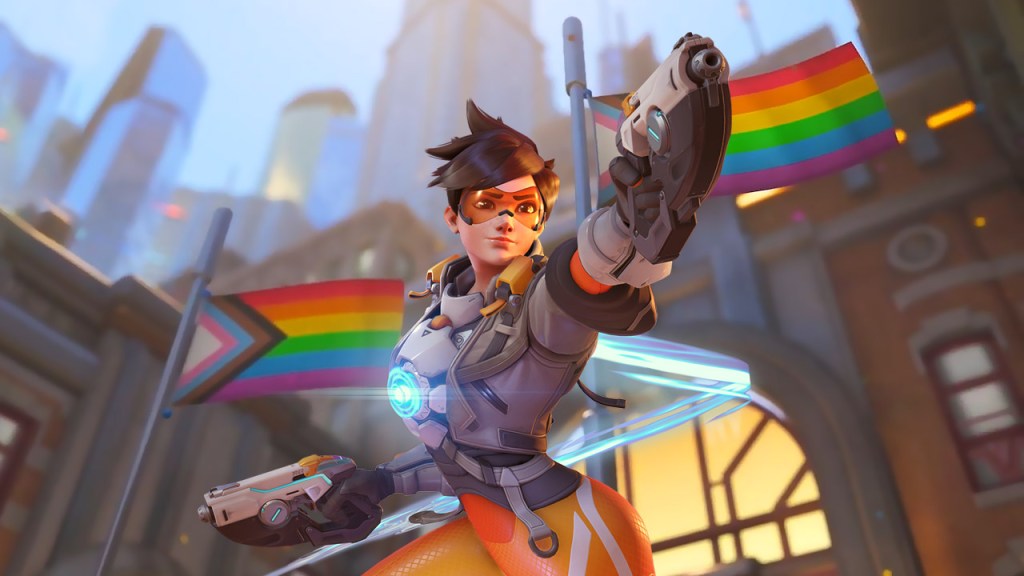
Pride Month is a good moment to look at the characters who made gaming feel a little more like home. These five are not ranked. They are simply five of the best, pulled from across the LGBTQIA+ spectrum, each one written with enough care that their identity reads as part of who they are rather than a checkbox. Here is who they are and why they still matter.

Ellie, The Last of Us Part II
Ellie is one of the most prominent lesbian protagonists in the medium, and Naughty Dog never treats that as a side note. Her relationship with Dina sits at the emotional center of Part II, from the easy flirtation early on to the quiet record store scene that has stuck with players for years. The game also drew real backlash for putting a queer woman at the front of a blockbuster franchise, which only underlined how much that visibility was needed. Director Neil Druckmann framed the queer storylines as part of building a richer, more honest world, and the result is a romance that feels lived in rather than performed.
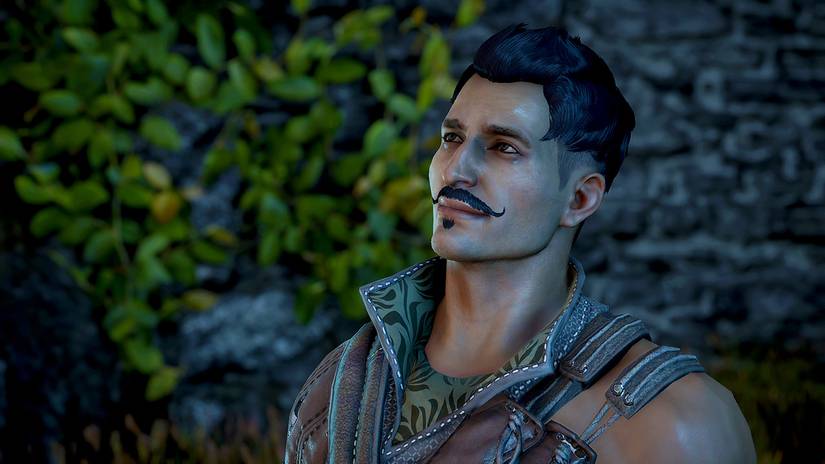
Dorian Pavus, Dragon Age: Inquisition
Dorian is the first companion in the Dragon Age series written specifically as a gay romance for a male protagonist, and writer David Gaider has called him the first fully gay character he got to write. What lifts Dorian above the label is his personal quest. His father attempts a blood magic ritual to change him, a story beat that lands hard for anyone who has faced rejection from family. The mage from Tevinter became a landmark partly because BioWare let his sexuality matter without reducing him to it. He is sharp, vain, loyal, and one of the best-written companions in the studio’s history.
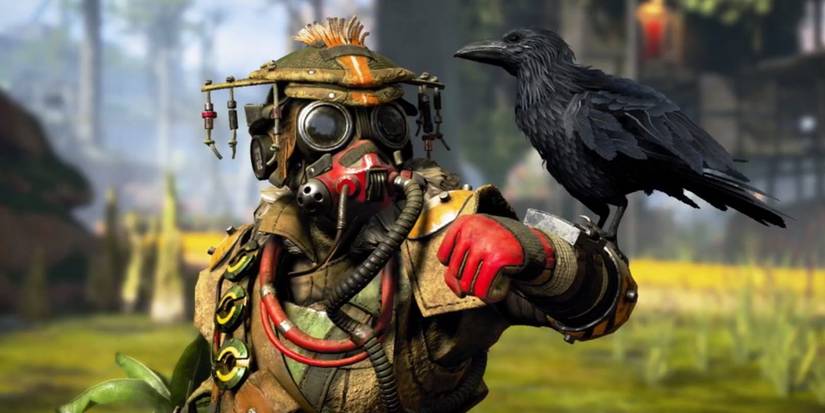
Bloodhound, Apex Legends
Bloodhound is the Viking-inspired tracker who became a fan favorite from the moment Apex Legends launched. Respawn confirmed the character as non-binary, using they/them pronouns, across statements from a community manager, narrative director, and voice actor Allegra Clark. The studio has reaffirmed it repeatedly when the question resurfaces online. What makes Bloodhound work is that the identity is woven into the lore rather than announced for points. Their mystery, their faith in the Old Ways, and their bond with the other Legends carry the character, and the representation rides along naturally.
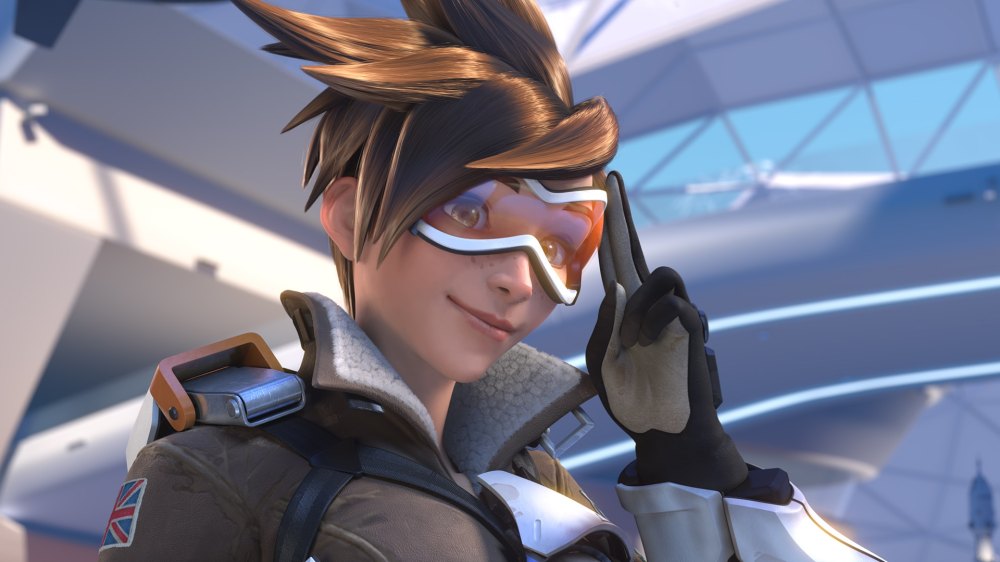
Tracer, Overwatch
Tracer is the literal face of Overwatch, which is what made her reveal land so hard. The 2016 holiday comic Reflections showed her racing home to spend the holidays with her girlfriend Emily, ending on a kiss, and Blizzard later put it in writing that Tracer is a lesbian. The studio handled it quietly, building the moment around a last-minute gift run instead of a heavy coming out scene. Having one of gaming’s biggest mascots be openly queer set a real precedent, and her later mini-series London Calling kept that part of her front and center.

Parvati Holcomb, The Outer Worlds
Parvati is the first companion you meet in The Outer Worlds, and she became one of the warmest characters in the game. She is canonically asexual, written by narrative designer Kate Dollarhyde, who is asexual herself and poured her own experience into the role. Parvati’s quest is a love story, which quietly dismantles the myth that asexual people do not feel romantic attraction. The game gives players the option to relate to her rather than question her, and that small choice is part of why her arc became a standout for ace representation specifically, an identity that rarely gets this kind of spotlight.
Five characters, five different corners of the acronym, all proof that representation done with care makes the stories better. Happy Pride.
Sources: NBC News, Prima Games, Screen Rant, Game Informer, Game Rant



Leave a Reply