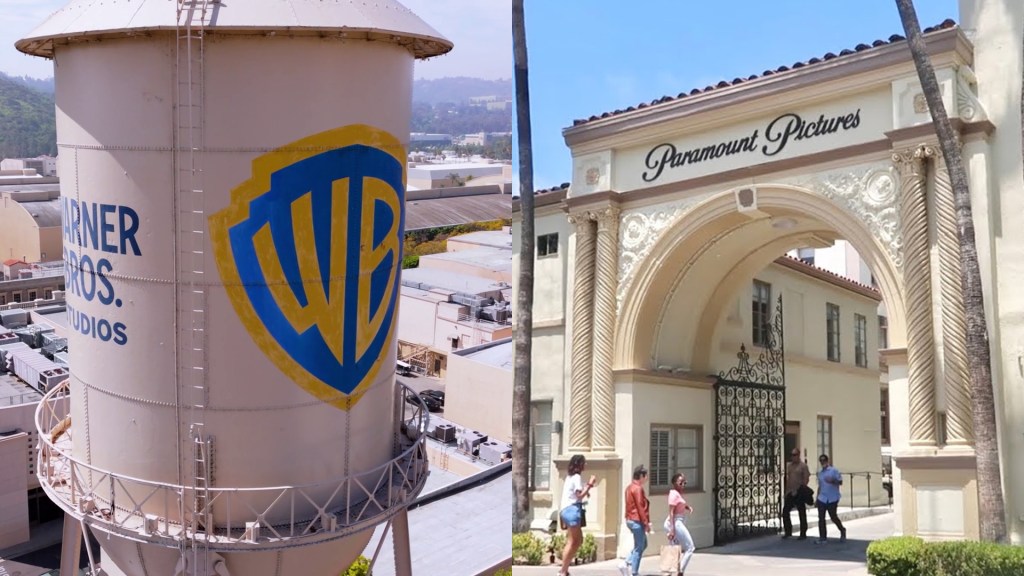
For executives and investors, a studio merger is usually framed as a story about scale. Bigger library. Bigger global reach. Bigger streaming footprint. Bigger leverage in a brutal entertainment market. For everyone else, it usually feels much smaller. Smaller room for risk. Smaller number of projects. Smaller chances for new voices to break through. Smaller odds that the kind of movie you did not know you needed will ever get made.
That is why the real story of a major Hollywood merger is not just about who owns which studio lot or which app ends up absorbing another. It is about what happens to the creative middle of the business when consolidation becomes the solution to every problem. Writers lose buyers. Directors lose opportunities to make personal studio films. Mid-tier movies get squeezed even harder. And movie watchers end up with a marketplace that looks huge on paper but feels narrower every year.

Bigger Companies Usually Mean Fewer Creative Chances
When a merger is announced, the language is always polished. Efficiency. Synergy. Integration. Value creation. Hollywood workers know what those words usually mean in practice. Cuts.
The company says it wants to save money, streamline operations, and eliminate overlap. That may make sense on a spreadsheet, but filmmaking is not a spreadsheet business. It depends on taste, instinct, timing, and a willingness to take swings. Once a newly merged company starts carrying massive debt and promising billions in savings, the pressure to play it safe gets even stronger. That pressure does not just affect payroll. It affects taste.
Executives become less likely to greenlight the odd thriller, the smart adult drama, the offbeat comedy, or the star-driven movie without an existing universe attached. They start thinking more like portfolio managers than movie people. If a project cannot be franchised, spun off, marketed globally in one sentence, or folded into a larger corporate strategy, it becomes easier to pass on. That is how variety dies. Not all at once, but one “no” at a time.

Writers Lose When There Are Fewer Doors to Knock On
Writers are often the first group hit by consolidation, even before layoffs make headlines.
A merger means one fewer major buyer. That alone matters. Every time two major companies merge, the market tightens for original pitches, specs, rewrites, and development deals. A writer who once had multiple places to take an idea now faces fewer creative gatekeepers and a more cautious greenlight culture.
And the caution is not random. It follows the business logic of consolidation. If the new company is trying to prove the merger was worth it, executives will naturally lean toward material that feels familiar and easier to sell. That means recognizable IP, sequels, reboots, game adaptations, nostalgia packages, and projects with built-in awareness. There is nothing wrong with those on their own. The problem starts when they crowd out everything else.
For writers, that creates a bad feedback loop. Original ideas become harder to sell, so fewer get developed. Fewer get made, so studios point to a lack of hits as proof that audiences only want brands. Then even more money flows toward the familiar. Before long, the market starts pretending the audience rejected originality when the truth is the system barely gave it a chance.
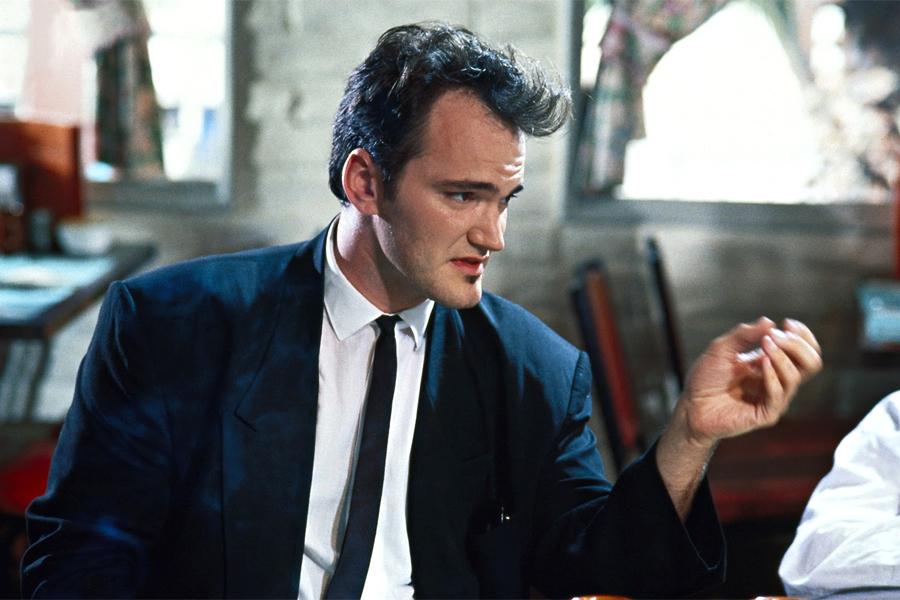
Directors Get Pushed Toward Brand Stewardship
Directors also lose something essential in merger culture: room to build a voice inside the studio system.
There was a time when a talented filmmaker could move through the middle of Hollywood and make real movies with real support. Not tiny indies. Not giant franchise obligations. Just strong, well-budgeted films that gave a director room to grow and an audience something fresh to show up for. Think Christopher Nolan with Prestige, Momento, and Inception. That lane has been shrinking for years, and another merger does not help.
The industry increasingly rewards directors who can manage expensive IP safely, deliver on schedule, and protect a brand. That skill matters, but it is not the same thing as being encouraged to make something personal, risky, or tonally distinct. Too often, the job becomes less about directing and more about maintenance.
That hurts emerging directors trying to break out, but it also hurts established filmmakers who want to make something that does not fit into a corporate franchise map. Hollywood still loves the language of vision, but mergers tend to reward predictability.
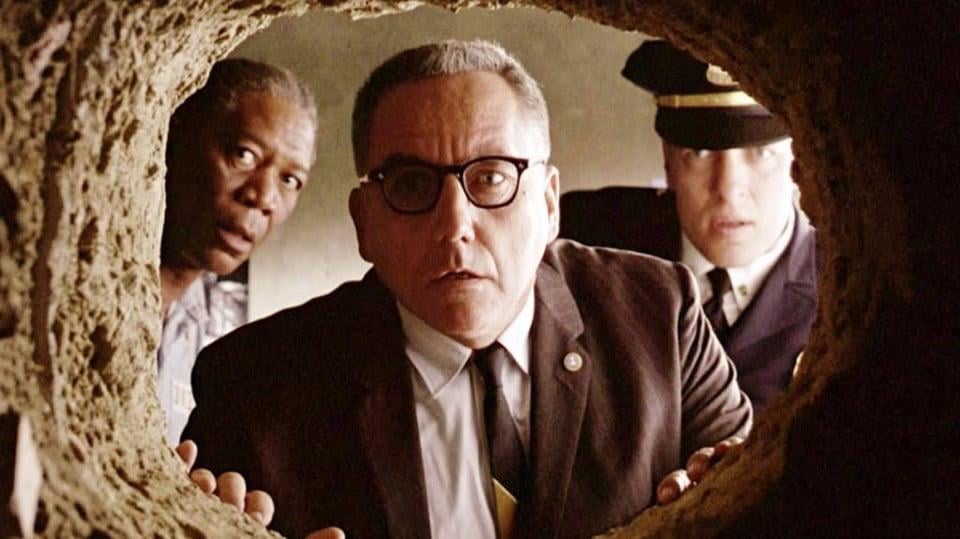
The Mid-Tier Movie Keeps Getting Crushed
If there is one casualty that best represents what is broken in modern Hollywood, it is the mid-tier movie.
These are the films that used to make the system feel alive. Adult thrillers. Courtroom dramas. Character-driven crime stories. Star-powered romances. Smart comedies. Modestly scaled action films. Prestige literary adaptations. High-concept originals with real actors and actual personality.
These movies were never supposed to carry the entire industry. They were supposed to fill it out. They were the connective tissue between the tiny indie and the giant tentpole. They gave actors career-defining roles, gave directors space to sharpen their voice, and gave audiences a reason to go to the theater for something other than homework from a cinematic universe.
Now they are the projects most likely to get treated as expendable. They are too expensive to feel tiny, too small to justify giant marketing campaigns, and too original to look safe in a merger-driven business model. So they are delayed, pushed to streaming, cut down in scope, or quietly never made at all.
And when that middle disappears, Hollywood starts looking less like a movie industry and more like a shelf of oversized event titles surrounded by scraps.

Why This Is Bad for Movie Watchers
This is where the conversation needs to stop being abstract.
Because even if someone does not care about studio politics, debt strategy, or antitrust law, they do care about what shows up on the screen. When consolidation squeezes creativity, movie watchers feel it in obvious ways.
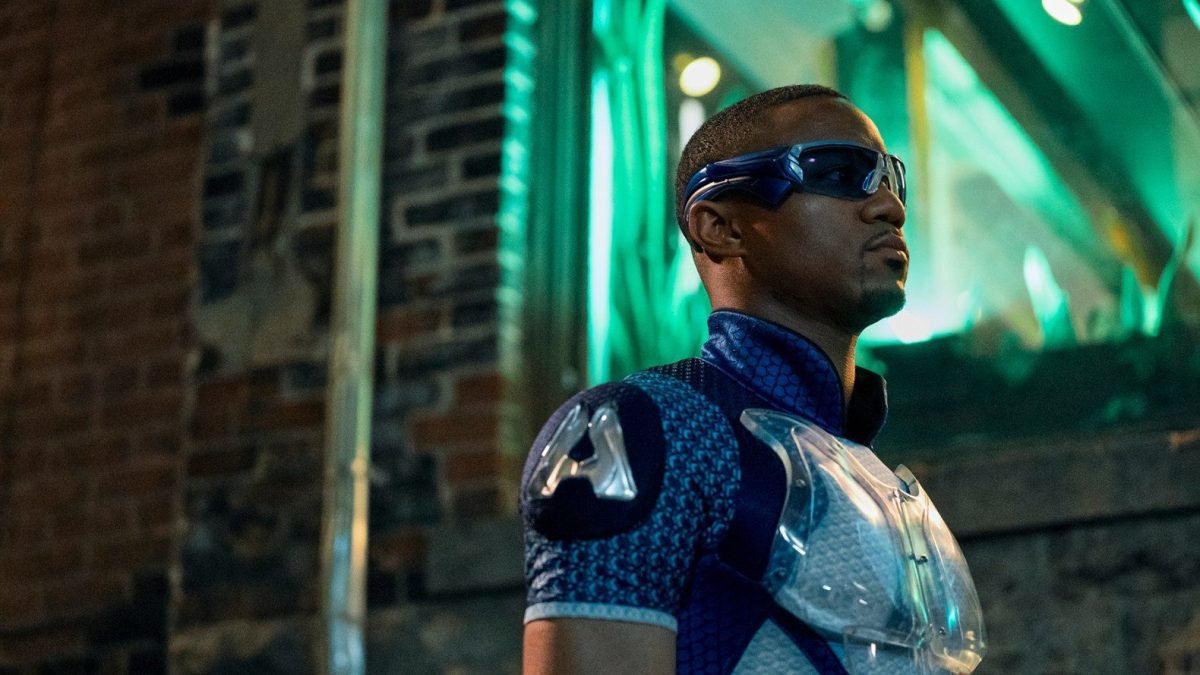
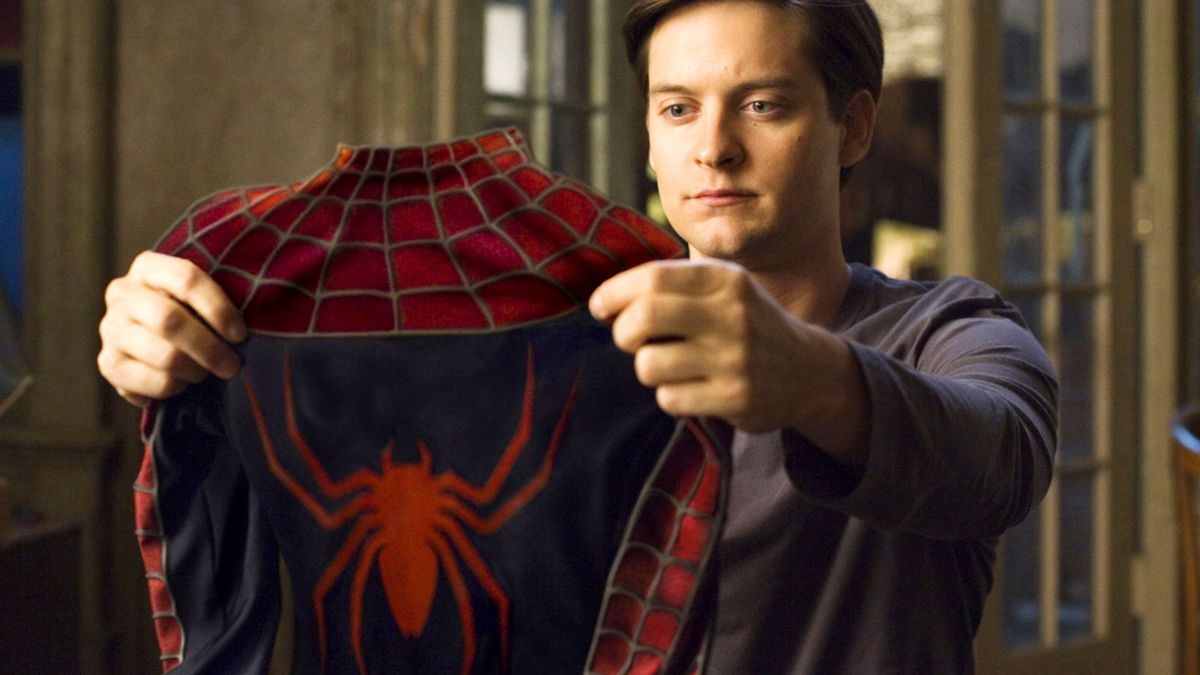
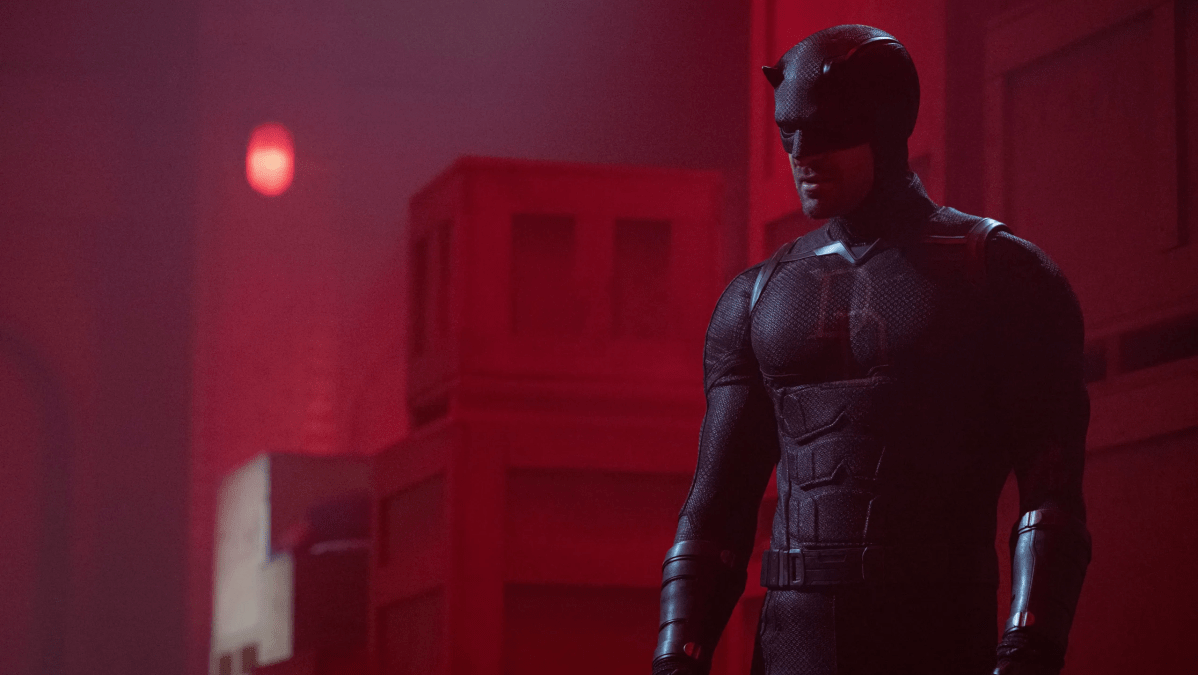
They feel it when theaters are packed with fewer kinds of movies. They feel it when every release calendar starts to look the same. They feel it when the only films getting a full push are franchise installments, legacy sequels, and expensive brand extensions. They feel it when original movies arrive with little marketing, weak release plans, or disappear to streaming before most people even realize they existed. And they feel it in choice. We have a microcosm of this in the MCU, and they are in the midst of fixing it now.
That is the kind of variety audiences used to have more often. It made moviegoing feel alive. It created discovery. It let tastes develop. It gave people surprises.
A more consolidated Hollywood risks replacing that with a narrower version of entertainment, where consumers are told they have more content than ever while the actual range of studio-backed storytelling keeps shrinking.
There is also a practical side for audiences. When fewer major companies control more of the pipeline, competition softens. That can mean less urgency to take creative risks, less urgency to win viewers over with bold programming, and more pressure to funnel people into one giant subscription ecosystem. Even when a merger promises convenience, movie watchers can end up with a worse bargain: fewer distinct voices, less experimentation, and a growing sense that everything is being designed by the same corporate instincts.
In other words, audiences lose the fun of not knowing exactly what Hollywood will make next.
The Industry Keeps Calling This Survival
To be fair, the studios are not operating in an easy environment. Streaming has been messy. Cable keeps shrinking. The box office is still uneven. Companies are desperate for stability.
But that desperation has created a dangerous habit in Hollywood. Every time the industry feels squeezed, it turns to consolidation as if getting bigger automatically fixes what got worse. Sometimes it just makes the problem harder to ignore.
A giant merged company may survive longer. It may even become more efficient. But survival for the corporation is not the same thing as health for the art form. If the path to stability is fewer buyers, fewer risks, fewer mid-budget movies, and less competition for creative talent, then Hollywood is preserving the machine by hollowing out the experience that made people care about movies in the first place.
That is why writers, directors, and mid-tier projects are not side casualties in these deals. They are the warning signs. And movie watchers should pay attention, because what gets squeezed in the boardroom eventually shows up on the screen.




 gfpods.com
Leave a reply to Robert Wilking Cancel reply