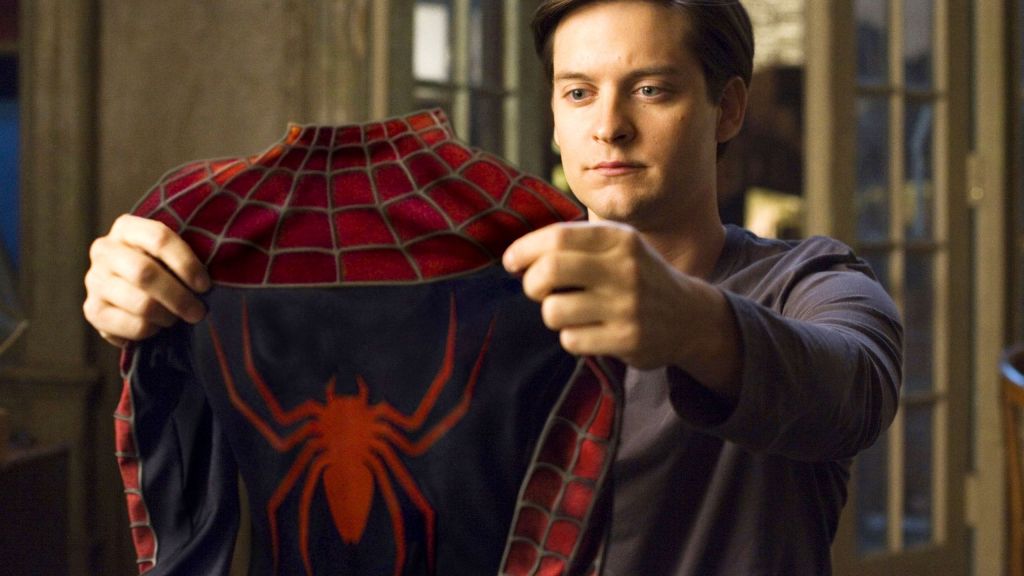
Spider-Man has always been one of the easiest superheroes to connect with, and a recent Fandom Portals discussion makes a strong case for why. Peter Parker’s story is not only built around powers, costumes, and villains. It is built around the people who push him, challenge him, hurt him, and help define the kind of hero he becomes.
Looking at Spider-Man through that lens reveals that some of the most important figures in his life are the ones who force him to answer the hardest questions about responsibility, sacrifice, grief, and integrity.
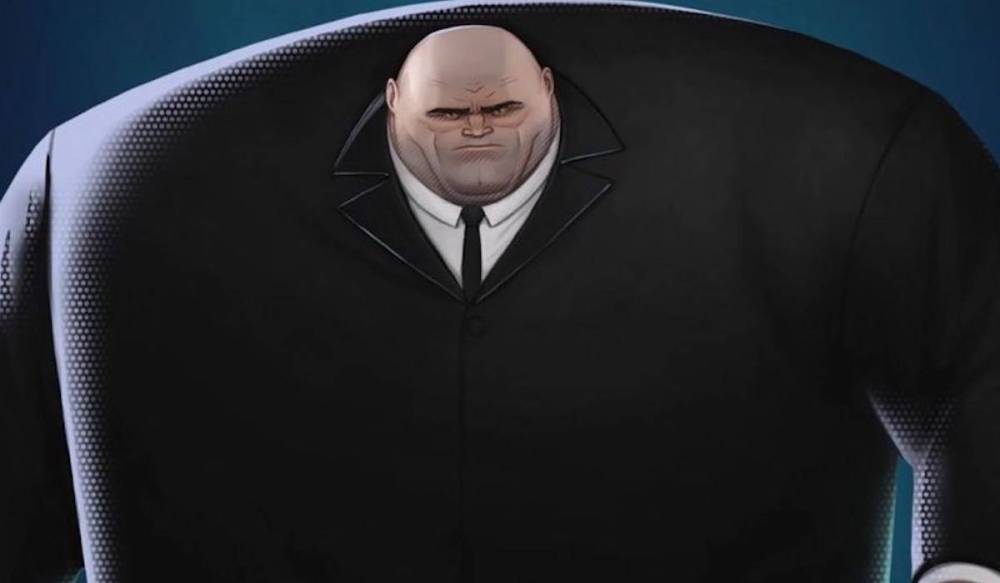
One of the most interesting names on that list is Kingpin. In Spider-Man: Into the Spider-Verse, Wilson Fisk is presented as a man whose grief has curdled into obsession. His size and presence dominate the screen, but what makes him effective is not just physical intimidation. It is the emotional weight behind everything he does. He wants to undo loss, no matter the cost, and that makes him a dark contrast to Spider-Man. Where Fisk tries to bend reality to escape pain, Spider-Man keeps moving forward through it. That contrast says a lot about the hero at the center of these stories. Peter, and in this case Miles too, does not become stronger by avoiding tragedy. He becomes stronger by enduring it without losing his sense of self.
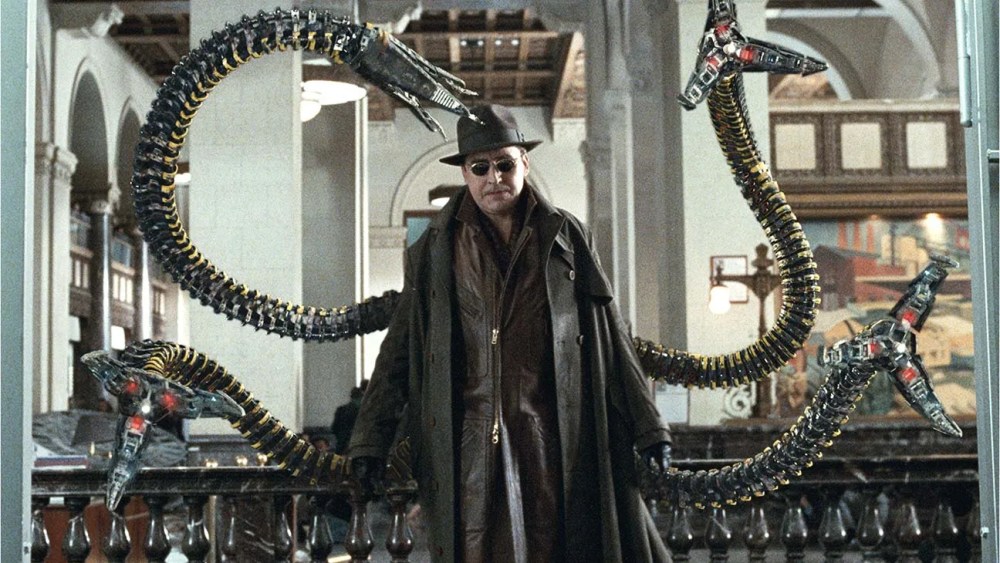
Doctor Octopus offers a different lesson. In Spider-Man 2, Otto Octavius begins as something close to the mentor Peter wishes he could become. He is brilliant, thoughtful, and full of possibility. That is exactly why his fall hits so hard. Otto is not just a monster Peter has to stop. He is a warning. He shows what can happen when intelligence and ambition lose their moral center. Peter is a gifted young scientist in his own right, and Otto’s collapse reminds him that talent alone is not enough. A mind without responsibility can do just as much damage as any supervillain. What makes Otto so memorable is that he eventually understands that truth himself. His final sacrifice does not erase the harm he caused, but it does complete the lesson. Power means very little if it is not used in the service of others.
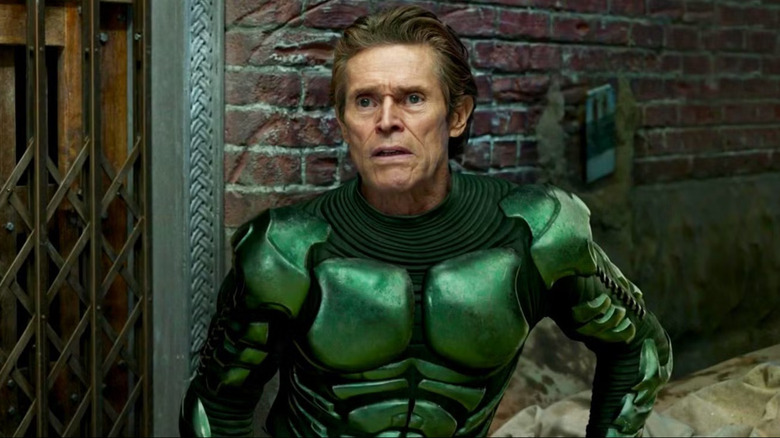
Then there is Green Goblin, perhaps the most direct moral opposite Peter has ever faced on screen. Norman Osborn has Peter’s intelligence, drive, and ability to command attention, but he uses all of it for control. That is what makes him so dangerous. He is not simply stronger or crueler. He represents the temptation to use power selfishly. In the Raimi film, Norman attacks Peter on every level. He threatens the people Peter loves, forces impossible choices, and constantly pushes him toward anger and vengeance. That dynamic remains powerful years later because it gets to the heart of Spider-Man’s identity. Peter is not defined by having power. He is defined by choosing compassion when cruelty would be easier. Goblin keeps testing that choice, and in doing so, he helps reveal exactly what kind of hero Spider-Man is.
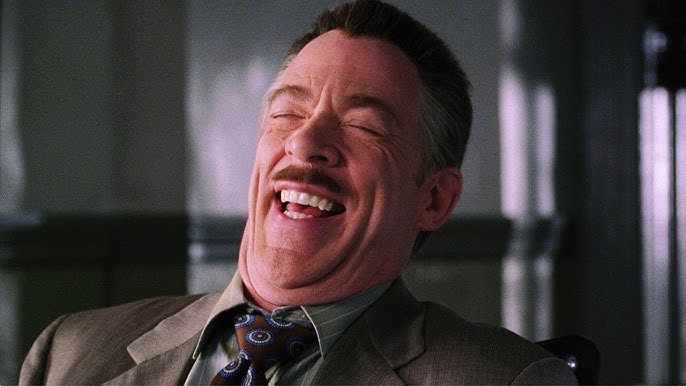
J. Jonah Jameson may be the most surprising inclusion, but there is a strong argument for him. He does not teach Peter through mentorship or tragedy. He teaches him through criticism. Jameson attacks Spider-Man publicly, relentlessly, and often unfairly. Yet that pressure becomes part of Peter’s development. Doing the right thing does not always come with applause. Sometimes it comes with suspicion, ridicule, and misunderstanding. Jameson forces Peter to keep going without recognition, and that matters. It pushes Spider-Man toward something deeper than praise. It pushes him toward integrity. The Raimi films also hint that Jameson is more than a loud mouth in an office. When Green Goblin threatens him, he protects Peter’s identity. That moment reveals that Jameson has his own code, even if it is messy and contradictory. In that sense, he becomes a strange mirror for Peter. Both men believe they are serving something bigger than themselves.

But the most important figure in Peter Parker’s emotional journey may be Gwen Stacy. In The Amazing Spider-Man films, Gwen is not written as someone who simply stands on the sidelines. She is active, sharp, brave, and emotionally honest. She helps Peter, challenges him, and makes choices of her own. That matters because her impact is not limited to romance. She represents agency, courage, and the painful truth that being Spider-Man does not mean being able to save everyone.
That is the lesson that cuts deepest. Peter can be powerful, selfless, and committed to doing good, and tragedy can still happen. Gwen’s death remains one of the defining moments in Spider-Man history because it strips away the illusion that responsibility guarantees control. It does not. Doing everything right does not always lead to a happy ending. Yet Gwen’s influence does not end with loss. Her belief in helping people, in valuing small acts of kindness, and in living fully continues to shape Peter even after she is gone. That may be the hardest and most important Spider-Man lesson of all. Heroism is not about winning every battle. It is about choosing to help anyway.
Taken together, these five characters form a kind of map for Peter Parker’s growth. Kingpin shows what happens when grief becomes domination. Doctor Octopus warns against ambition without humility. Green Goblin embodies the temptation to use power selfishly. Jameson teaches the cost of doing good without approval. Gwen Stacy teaches that love, loss, and responsibility are inseparable.
That is why Spider-Man stories last. They are not just about swinging through New York or stopping the villain of the week. They are about a young man being shaped, tested, and refined by the people around him. Every great Spider-Man character leaves Peter with a lesson, but the best ones do more than that. They show us why his struggle still feels human.




Leave a Reply