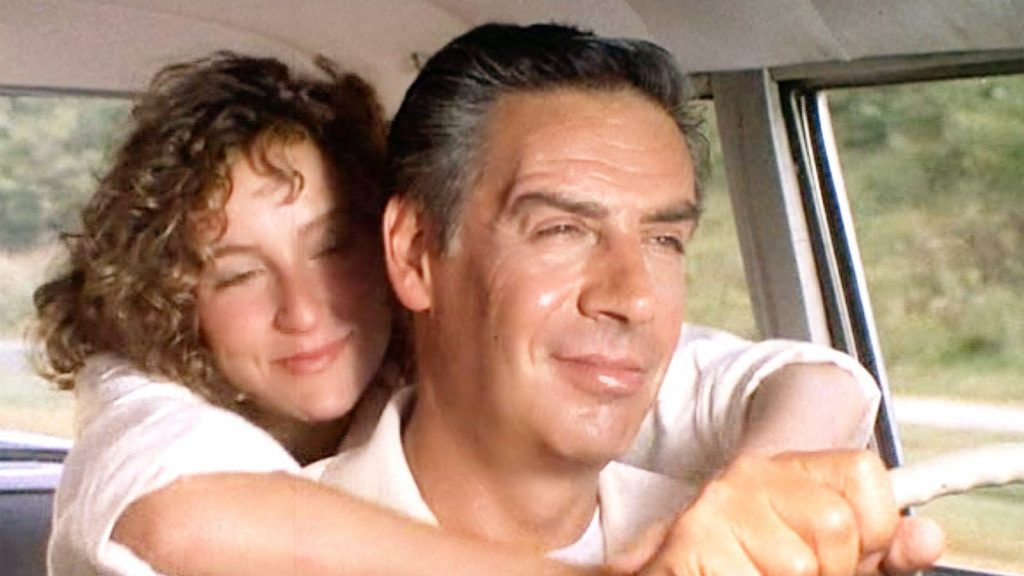
When people talk about Dirty Dancing, they usually bring up the lift, the music, or Johnny and Baby’s summer romance. What sticks with me most is the other love story running under all the glitter. It is the slow, awkward, honest shift between Baby and her father, Dr. Jake Houseman. Their relationship starts on a pedestal and ends on level ground, and the movie earns that change one tough conversation at a time.
The pedestal problem
From the first scenes, Jake clearly expects more from Baby than from anyone else in the family. He sees her as the household ideal, the one who will “do good” in the world and carry the family’s values forward. Even Lisa, in her half-jealous way, calls Baby a daddy’s girl. That label is not just about attention. It is about the weight of expectation. When your parent puts you on a pedestal, it can feel like love, but it can also make you small. Baby’s arc is about stepping down from that pedestal and becoming a full person in front of her father.
The $250 test
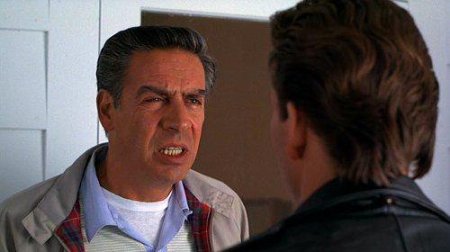
The film throws their bond into a moral stress test. Jake is ready to bankroll a promising young man he believes deserves a push. When Baby asks for $250 with no explanation, his guard goes up. When he learns the money helped a working-class woman get an abortion, he feels betrayed and retreats into judgment. That contrast says a lot. It is easy to be generous when the recipient looks like your idea of “a good investment.” It is harder when help challenges your assumptions.
Baby responds in the only way that can move him. She takes responsibility and uses the access she does have. She risks being seen as reckless, naive, or ungrateful and goes to her father anyway because Penny needs help now. That choice is not about rebellion for its own sake. It is about applying the values her father taught her to people outside their circle. In that moment, Baby stops being the ornament of her dad’s ideals and starts living them.
The lakeside reckoning
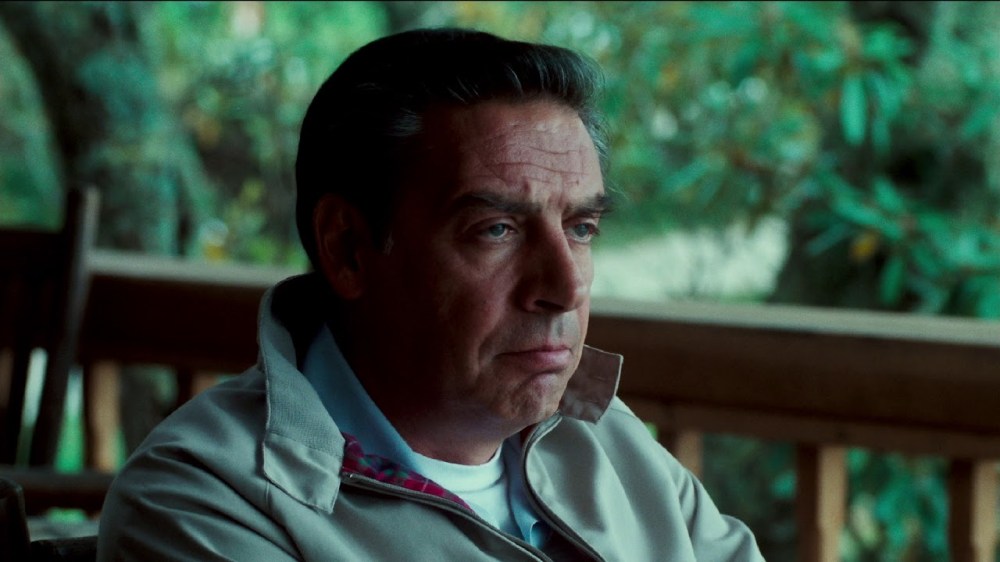
The most important scene between them happens in the quiet, away from the dance floor. Baby finds her father staring across the water, and she tells him she is disappointed. Not because he is strict, but because he is not living up to the standard he set for her. It is a clean, clear flip of the parent-child script. She is not asking for permission. She is asking for integrity. The line lands because it is not cruel. It is honest. And it opens a door.
What follows is not instant forgiveness. It is a reset. They both have to adjust their image of the other. She has to accept that he will not always get it right the first time. He has to accept that she is not a symbol or a cause. She is a young woman making choices he cannot control.

Seeing the whole person
By the end, Jake recognizes what Baby has been trying to show him. She is not just the girl who volunteers and says the right things at dinner. She is capable of desire, risk, and responsibility. Accepting “all of her” means he stops treating sex, class, and comfort as separate boxes and starts seeing how they overlap in real life. The point is not that he becomes a perfect parent. It is that he becomes a better listener.
That growth matters because the film never paints Jake as a villain. He is a good man with blind spots. He is also a doctor who shows up when it counts. The movie lets him be both, which makes his apology and acceptance feel earned rather than tidy.
Why it still hits
Plenty of coming-of-age movies end with a wink and a curfew extension. Dirty Dancing gives us something harder and more useful. It shows a daughter using her voice to hold a parent to the values that parent taught her. It shows a father unlearning who he wanted his kid to be and learning who she actually is. And it reminds us that love is not the same thing as agreement. Love is what keeps you at the table long enough to change your mind.
That is why the final dance lands the way it does. It is not just a triumph for Baby and Johnny. It is the moment Baby and Jake finally see each other clearly. The lift is great. The trust underneath it is the real ending.







 gfpods.com
Leave a comment