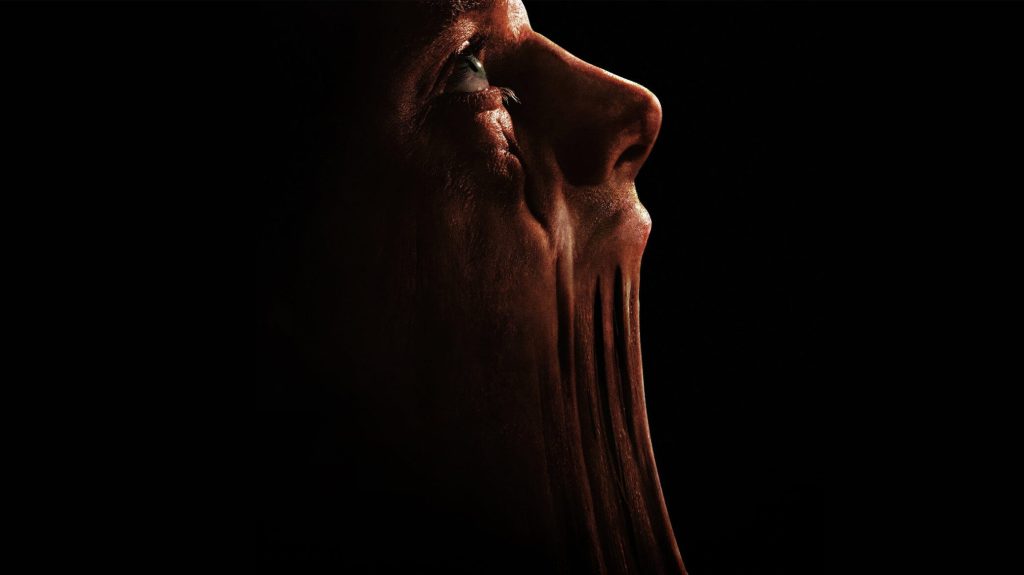
Clayface has never been a villain anyone felt sorry for. In the comics and cartoons he is a mass of mud with a grudge, a problem for Batman to solve between bigger fights. James Watkins’ Clayface, the latest entry in the DCU’s Chapter One: Gods and Monsters, sets out to change that, and for most of its runtime it succeeds. I walked out surprised that I had spent stretches of the film cheering for the monster, and glad I took the trip with him.

The film wastes no time. Matt Hagen (Tom Rhys Harries) is a Gotham street kid turned A-list actor, freshly nominated and riding high, until a night out puts him on the wrong side of crime lord Markos Szabo (David Dencik). Szabo’s men cut up his face, the police shrug, and Matt’s career is over far too soon. That opening attack is the most unsettling thing in the movie. Watching a famous, confident man reduced to someone who cannot defend himself is hard to sit through, and the script, from Hossein Amini and Mike Flanagan, builds everything that follows on that moment. Matt decides he will never be powerless again. Every terrible thing he does later traces back to that morning.
A Performance That Grows Into Itself
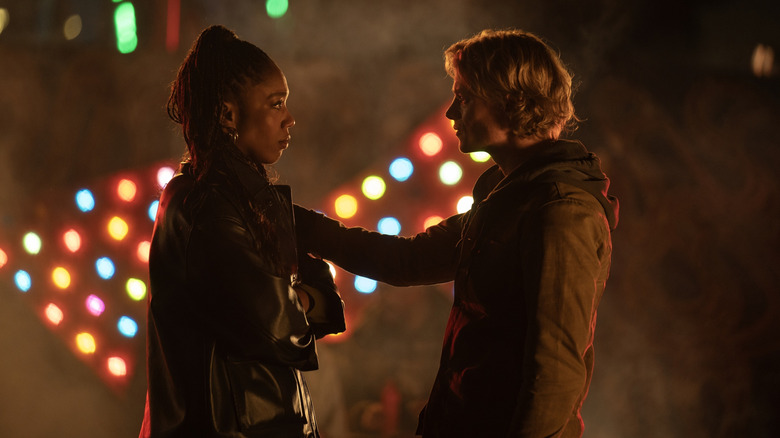
Harries has a difficult job. He has to play a man who keeps becoming other people, and he has to keep Matt recognizable underneath each new face. Before the transformation he is solid, a likeable lead doing what the story needs. After the experimental treatment, and especially once Matt gets a real handle on his abilities, Harries becomes a far stronger presence. The performance improves as the character gains control, which may or may not be intentional, but it works in the film’s favor.
Naomi Ackie plays Caitlyn, the scientist behind the treatment, and she is the most interesting figure in the supporting cast. Ackie keeps the audience guessing about whether Caitlyn is falling for Matt, and the film never lets her off the hook. She admits early on that the drug is not ready for human testing and gives it to him anyway. Maybe she sees a good man worth the risk. It still should not have been done, and the movie makes a fair case that she is as responsible for the monster as he is.
The rest of the ensemble is less memorable. Max Minghella’s GCPD detective John Borrelli, Caitlyn’s fiancé, exists mainly to give us a window into police corruption, and he could be cut from the film without losing much. Several other side characters blur together.
Horror That Fades as the Clay Takes Over
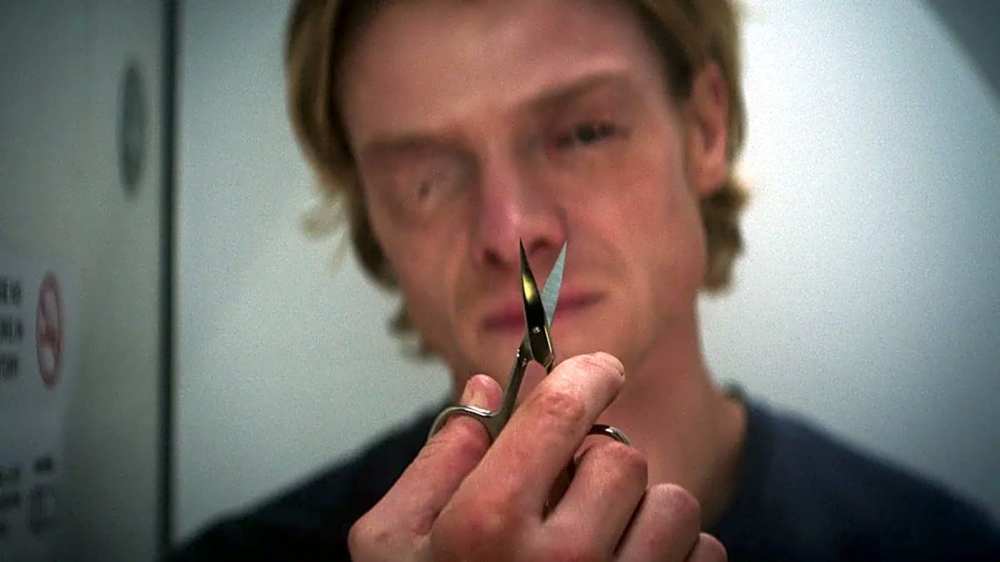
Clayface is rated R for strong bloody violence and gore, and it earns it. The kills are nasty, and one in particular, Matt suffocating a friend, is genuinely disturbing to watch. Early body horror lands hard because it is small and intimate: a cheek that shifts, a jaw that settles into someone else’s shape.
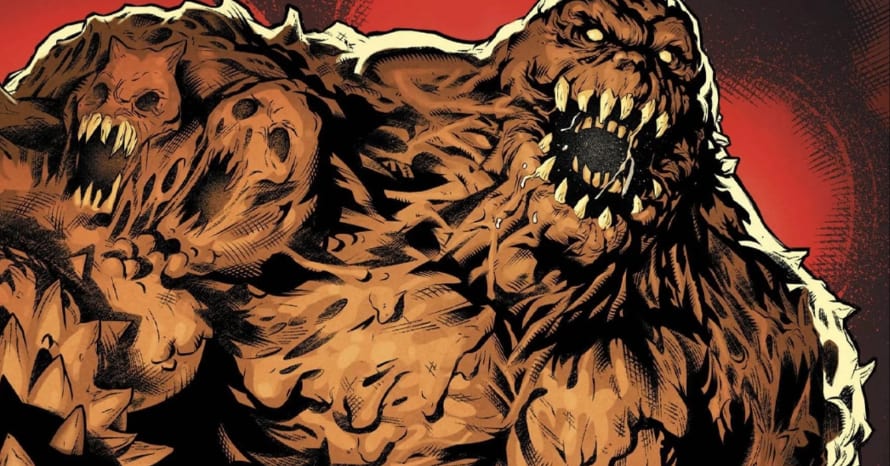
Those subtle face changes are the best effects work in the film. The bigger transformations are another story. As Matt’s changes grow more frequent and more grandiose, the CGI slips, and by the finale, when we finally see the comic-accurate Clayface, the effects look rough. Some of that is expected at this budget, and this is clearly a smaller production than the rest of the DCU slate. You feel that on screen. If this version of the character turns up in a bigger Batman film, the effects team will need to do better. The repetition also dulls the horror. By the final act you have seen enough transformations that they stop being frightening.

Pacing and Gotham
The film moves quickly through its setup, faster than I expected, and then slows down after the treatment. I did not mind the slower middle. It gives us time to live with Matt as his mind starts to come apart, and that slow collapse is what makes him sympathetic. Some viewers will find the back and forth over whether Matt is stable or slipping repetitive, and I understand why.
There is no Batman here, no mention of him at all, but Gotham is unmistakably Gotham. The city feels like the one we know from past films and decades of comics, with a rotten GCPD and gangsters running the streets. The mobsters Matt targets are a safe bunch, the kind of characters a studio can comfortably kill off before a proper Batman movie arrives, but they serve the story.
The Ending
The final shot is the image that stayed with me. I saw the surprise coming, and it still landed, because the film had done the work to get there. It is a fitting picture of how far Matt has fallen, and it leaves us with the Clayface Batman fans already know.
Who Should See It
Horror fans who prefer their scares on the lighter side will find plenty here, and DC fans should not skip it. By the closing minutes, Clayface plays as a true origin story for one of Batman’s oldest villains, and it gives him something he has rarely had on screen: a reason to care about him before he becomes the monster.








Leave a Reply