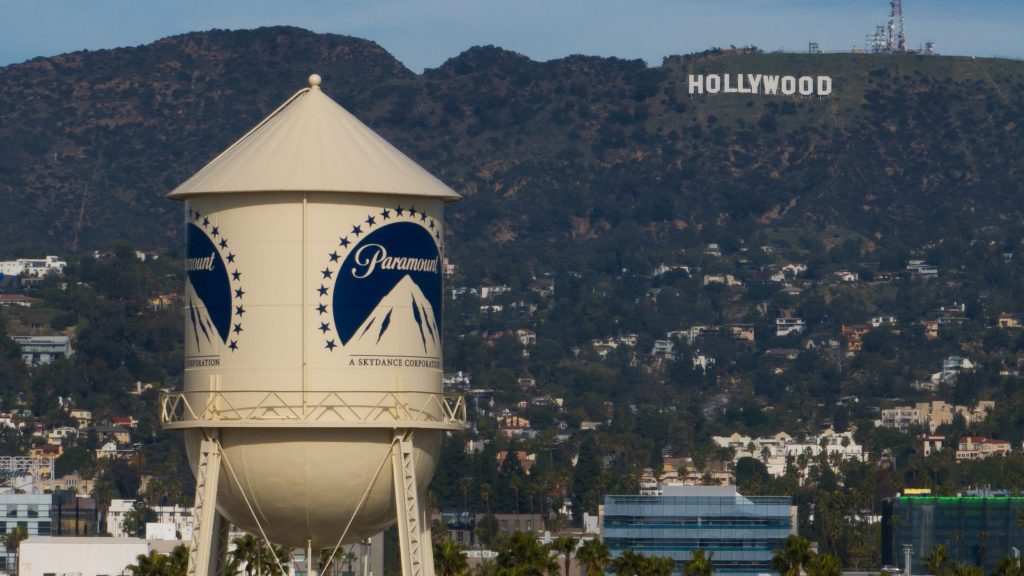
Paramount has reportedly settled the antitrust lawsuit that 12 state attorneys general filed to block its $110 billion purchase of Warner Bros. Discovery. Nerdist reported the agreement Monday morning, pointing to reporting from Variety, Bloomberg and the Wall Street Journal, and the early details say the deal does not require Paramount to sell off any major pieces of either company. The full terms have not been made public.
If it holds, the settlement clears one of the two lawsuits still standing between David Ellison’s Paramount Skydance and the studio that owns DC, HBO, Harry Potter and Looney Tunes. The Writers Guild of America’s separate case is still active.
How the Case Got Here
Paramount announced the acquisition on February 27 at $31 per share in cash. It got there by outbidding Netflix, which had reached its own deal for Warner Bros. and HBO in December and was out of the picture by late February.
Federal regulators waved it through. The Justice Department and the FCC approved the merger without asking for any concessions or remedies, and last week the FCC signed off on a 49.5 percent foreign ownership stake tied to Middle Eastern sovereign wealth funds, which Variety reports are supplying about $24 billion of the financing. Europe was tougher. The European Commission required Paramount to exit United International Pictures, its overseas distribution venture with Universal.
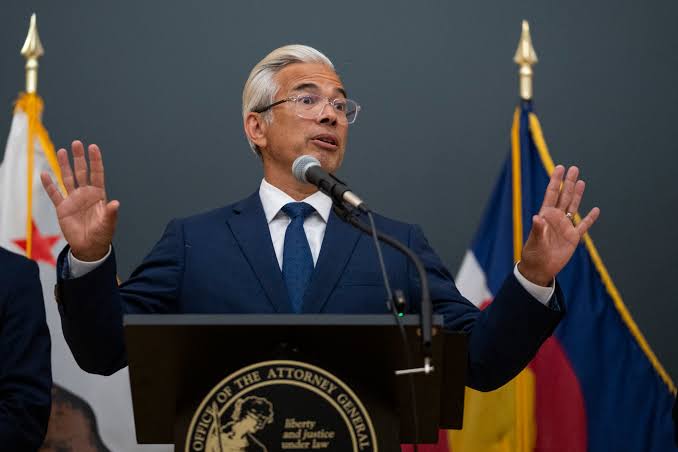
The states took a harder line. On July 13, a coalition led by California Attorney General Rob Bonta sued in federal court in Northern California, arguing under Section 7 of the Clayton Act that the merger would reduce competition in theatrical film distribution and in the licensing of basic cable channels. Arizona, Colorado, Connecticut, Massachusetts, Minnesota, Nevada, New Jersey, New Mexico, New York, Oregon and Washington joined California. A judge granted a temporary restraining order on July 20, and four days later Paramount and Warner Bros. Discovery agreed not to close until the court ruled on the case or June 1, 2027, whichever came first. A 12-day trial covering both the states’ case and the WGA’s was set to begin March 2, 2027.
What Was on the Table
For most of the summer, Bonta said he would only accept structural remedies, meaning Paramount would have to sell parts of the combined company. In August he canceled a scheduled meeting with Paramount, saying the company was not negotiating in good faith. He also brushed off Ellison’s long-running pledge to release 30 movies a year in theaters as a promise that had gone stale.
The terms that leaked over the weekend looked different. Variety reported that the two sides discussed Paramount running the Warner Bros. studio separately for a period of time, a 30-film annual theatrical minimum with financial penalties for missing it, a binding guarantee that Paramount would not move its California operations out of the state, and a third-party editorial adviser to oversee CNN and CBS News. The Wall Street Journal, as summarized by Quartz, reported talk of a $1.5 billion Paramount investment in California film and TV production, a commitment to keep both studio lots, and giving up Paramount’s stake in Miramax as the penalty if the company falls short of 30 films. The Hollywood Reporter said selling some cable channels was also floated, with Comedy Central named as one possibility. According to the reporting Nerdist cited, the final agreement includes no major divestitures.
Paramount had a clock running. Starting October 1, it owes Warner Bros. Discovery shareholders an extra $7 million for every day the deal stays open, and a failed acquisition would cost it $7 billion. Ellison had also threatened to move Paramount out of California if the case went to trial and privately said he might begin that process in October. On the legal side, Paramount has asked the court to make the states and the WGA post a $1.88 billion bond to keep the merger on hold, a request set to go before Judge Araceli Martinez-Olguin on Thursday.
The States Were Split
As of Sunday, not every attorney general was on board. CNN reported that New York Attorney General Letitia James was holding out for job protections, including for Warner Bros. employees, and that her office had been in contact with at least half a dozen unions. Paramount has projected $6 billion in cost savings from the merger, which Variety says points to thousands of layoffs. Connecticut Attorney General William Tong wanted stronger guarantees of independence for CNN and CBS News than an outside adviser would provide, and CNN reported at least two other states also had reservations. Bloomberg’s sources said any settlement would likely need all 12 states to sign on.
James, Bonta and Tong are all up for reelection this November, and CNN reported Bonta faced heavy pressure, including from usual allies, over Paramount’s threat to leave California. Whether New York and Connecticut got the worker and newsroom protections they were pushing for is one of the details that has not come out yet.
Theaters Switched Sides, Writers Did Not
Nerdist reports that AMC, Cinemark and Regal all moved toward backing a settlement in the days before the agreement. Cinema United, the trade group for movie theaters, followed its biggest members to a pro-settlement position after opposing the merger outright.
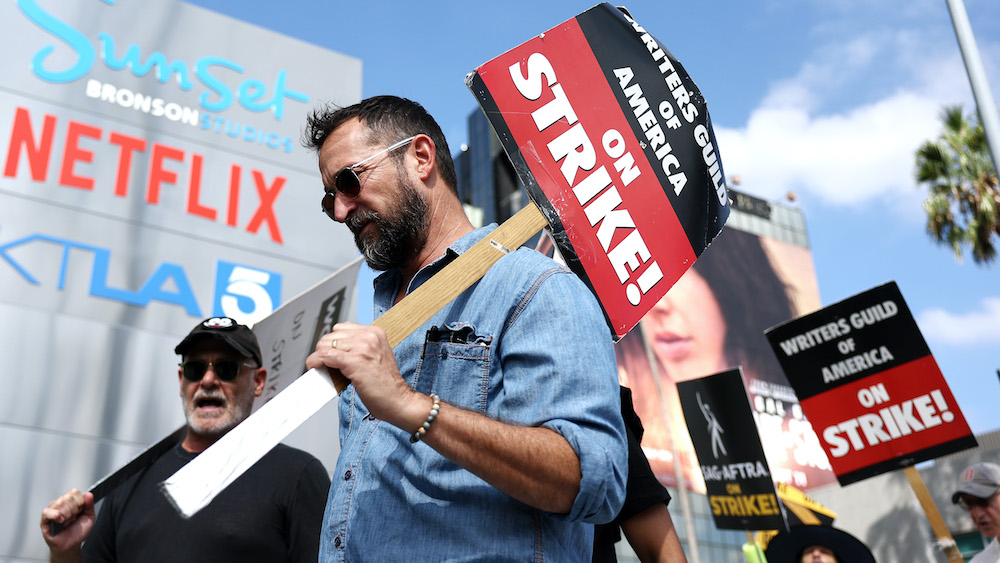
The WGA stayed out of the talks. The Guild filed its own suit on July 14, arguing the merger would shrink the market for writers’ work, and Variety reports it has not been part of the settlement negotiations. Its case is still scheduled for March.
Merger opponents reacted fast. Alvaro Bedoya, a senior advisor at the American Economic Liberties Project and a former FTC commissioner, said “billionaires have yet again bribed, censored, and bullied their way to the top.” The Block the Merger Coalition, an alliance of Hollywood unions and advocacy groups, had already scheduled protests outside Bonta’s office in Los Angeles, James’s office in New York, and the WGA West headquarters, and about two dozen demonstrators gathered outside state offices in Oakland on Monday. Senator Chris Murphy of Connecticut had urged the states over the weekend to keep fighting, writing, “The AGs should keep fighting to block Paramount’s illegal merger with Warner Bros. Discovery.”
What Happens Next
A signed settlement does not close the deal the same day. A source told Variety that the financing structure means Paramount and Warner Bros. Discovery need at least a week after any agreement with the states before the merger can finalize, which puts the October 1 fee deadline in play. The WGA lawsuit also remains, and with the states out, the Guild is the last party in court trying to stop Paramount from taking over Warner Bros.
Sources: Nerdist, Variety, CNN, Deadline, The Hollywood Reporter, Quartz, Bloomberg, InvestmentNews, CNBC, New York Attorney General, SEC


 gfpods.com
Leave a comment