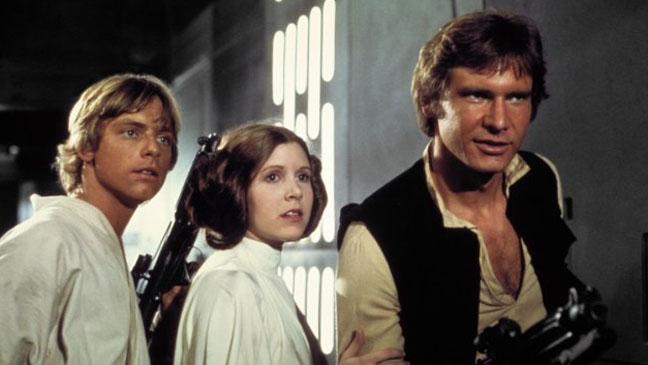
Somewhere between rounds of a recent Geek Freaks episode, a familiar complaint came up. Star Wars has gotten too woke. Dungeon Crawler Carl has an agenda. Pick a beloved franchise and you can find a corner of its fanbase convinced it has been hijacked by politics that were never there before. The problem with that argument is not that it is offensive. It is that it is wrong, and usually in a way that reveals the person making it never really understood the story to begin with. This is not a culture war. It is a media literacy problem.
Star Wars Was Never Subtle
Start with the obvious one. Star Wars is about a scrappy rebellion fighting a galaxy-spanning empire. That empire is a fascist regime. It builds superweapons, crushes dissent, and dresses its soldiers in matching armor while they take orders to occupy planets and wipe out resistance. The heroes are the people fighting back against all of it. None of this is buried subtext. It is the entire premise, stamped across the opening crawl of the very first film.
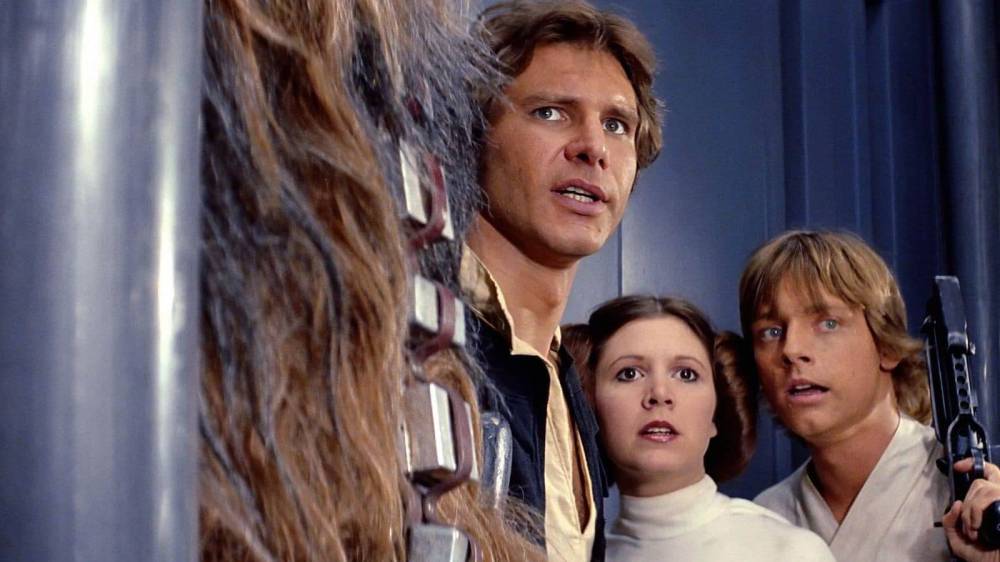
So when someone insists the series has only recently gone political, the honest response is that it has been this way from the beginning. If the message reads as too progressive now, it read exactly that way in 1977. The story did not change. What changed is that some fans grew attached to the aesthetics, the ships, the armor, the cool villains, without absorbing what those things were meant to represent. Rooting for the look of the Empire while missing that the Empire is the bad guy is not a hot take. It is a misread. You are cheering for the stormtroopers and calling it fandom.
Dungeon Crawler Carl Is Not Your Capitalist Hero
The same thing happens with Dungeon Crawler Carl, just with the politics flipped. Some readers have decided Carl is a rugged individualist, a hero for the anti-woke crowd, a guy who is all about grinding and winning inside the system. That reading falls apart the moment you actually pay attention to what the books are doing.

Carl is not trying to master the system. He is trying to break it. The whole engine of the story is a brutal, exploitative machine that turns suffering into entertainment and treats people as content to be consumed. Carl sees exactly how that works, who profits from it, and who gets ground up in it, and his arc is about tearing the whole thing down and freeing the people trapped inside. He is trying to break the wheel, not climb it. Claiming him as a mascot for the very structures the story condemns is not just a stretch. It is the opposite of the point.
The Real Issue Is How We Read
Here is what ties both examples together. In each case, the complaint is not really about the story. It is about the reader importing a worldview and then getting angry when the story refuses to reflect it back. When a fan says a show got too woke, what they often mean is that they finally noticed a theme that was always present and did not like being asked to sit with it.
Media literacy is the ability to understand what a story is saying, including the parts that are not spelled out and the parts you might personally disagree with. You are allowed to dislike a movie or a book. You can turn it off, close the cover, and move on. What you cannot honestly do is claim a story betrayed some earlier, purer version of itself when the themes you are objecting to were baked in from page one. That is not the work changing. That is you finally reading it.
None of this requires everyone to agree on politics. It just requires meeting a story on its own terms before deciding what it means. Star Wars wants you to root against fascism. Dungeon Crawler Carl wants you to question who benefits when suffering becomes a spectacle. Those are not sneaky new additions. They are the foundation. If that bothers you, the honest move is to admit the story was never for you, not to insist it used to be something it never was.
For the full conversation that sparked this one, and more takes on the fandoms we actually love, tune in to the Geek Freaks Podcast.

 gfpods.com
Leave a comment