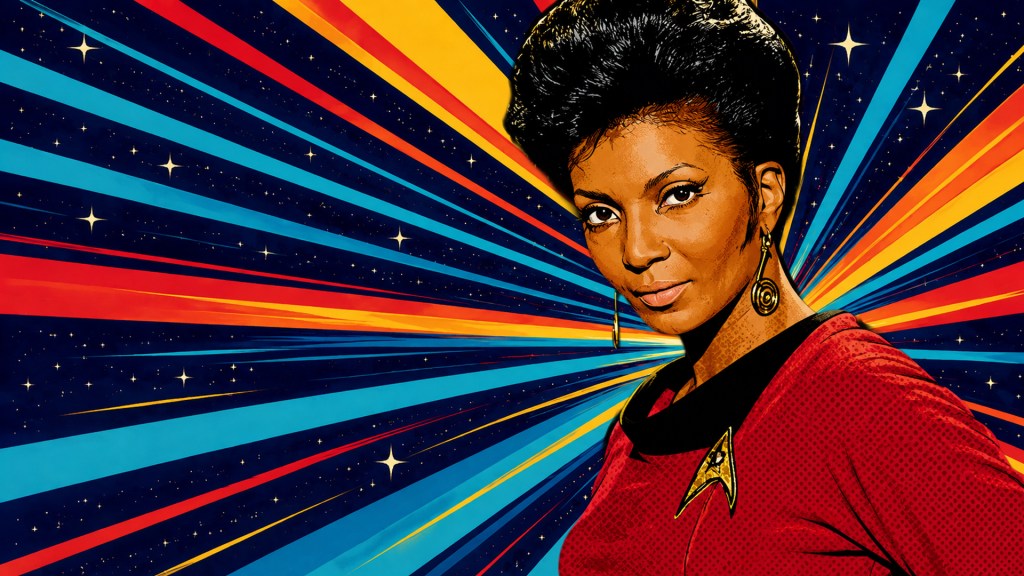
There is a version of television history where Nichelle Nichols leaves Star Trek after one season, chases her dream of Broadway, and the bridge of the Enterprise looks very different for the next two years and six feature films. That version almost happened. The reason it did not come down to a single conversation at an NAACP fundraiser, and the man who talked her out of leaving was not a studio executive or a fellow actor. It was Dr. Martin Luther King Jr.
For Juneteenth, a holiday about freedom delayed and then finally claimed, that story is worth telling in full. Because what King saw in 1967 was a door that had been pushed open, and what he asked Nichols to do was refuse to let it close.
The Role Almost No One Had Played
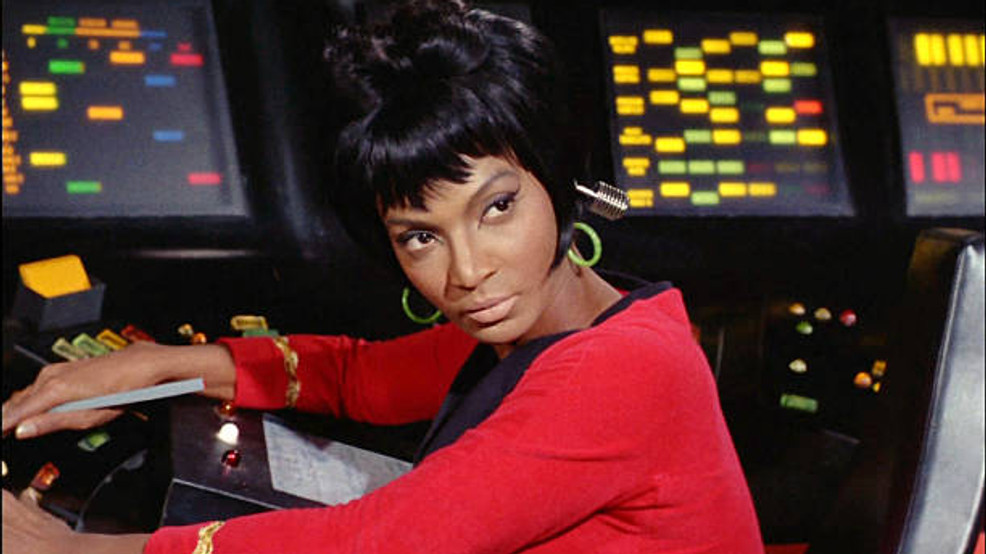
When Star Trek premiered in 1966, Nichols was cast as Lieutenant Nyota Uhura, communications officer aboard the U.S.S. Enterprise. The part was not a maid, a servant, or comic relief, which made it one of the first times a Black woman appeared on American television as a competent professional sitting as an equal on the bridge. Gene Roddenberry wanted to sell a future of racial harmony, and Uhura was central to making that future feel real.
The cultural weight of that was not lost on the people watching. Whoopi Goldberg has told the story of being a young girl and running through the house yelling that there was a Black woman on television and she was not a maid. Goldberg would later say her entire career traces back to seeing Uhura, and she eventually joined the franchise herself as Guinan. That is the kind of door Nichols had opened, though she did not fully see it yet.
The Decision to Leave
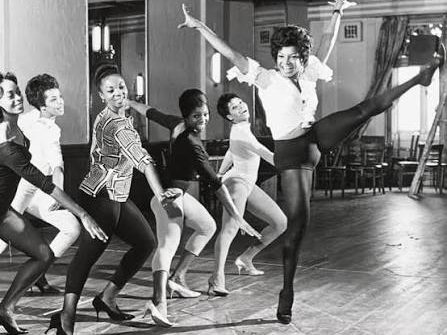
After the first season wrapped, Nichols told Roddenberry she was leaving. Her first love had always been musical theater. She had grown up in it, and starring on Broadway was the goal she had carried her whole life. She had also put up with a lot on set, including cuts to her part and racism behind the scenes, and she had reached a point where she felt the role had given her what it was going to give.
Roddenberry, by her account, was not happy about it. He asked her to take the weekend and think it over before making it final. She agreed, and that weekend she attended an NAACP fundraiser in Los Angeles.
“I Am That Trekkie”
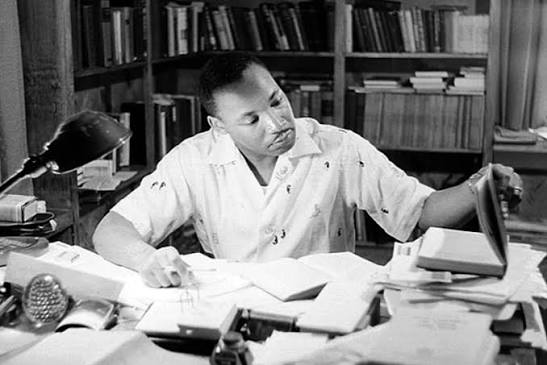
At the event, an organizer told Nichols that her biggest fan was there and wanted very much to meet her. She assumed it would be some Star Trek enthusiast and turned around expecting a stranger. Instead, she saw Dr. Martin Luther King Jr. walking toward her, smiling. By her own recollection, he reached her, laughed, and told her he was her greatest fan, that he was that Trekkie.
She was, in her words, speechless. When she found her footing, she told him the truth, that she was planning to leave the show. King’s response is the part of the story that has lasted. He told her she could not leave. He told her she had opened a door that must not be allowed to close, that she had created a character of dignity, grace, beauty, and intelligence, and that she was a role model not just for Black children but for everyone.
Nichols later admitted she had been wrestling with the role privately, even feeling angry at being asked to carry something larger than herself. She remembered thinking, why me, why should I have to. King reframed the entire question. This was not a supporting part on a science fiction show. This was a place at the table that no one had occupied before, and walking away would mean letting the seat go empty again.
She went back to Roddenberry that Monday and stayed. She never regretted it.
The Door She Kept Opening
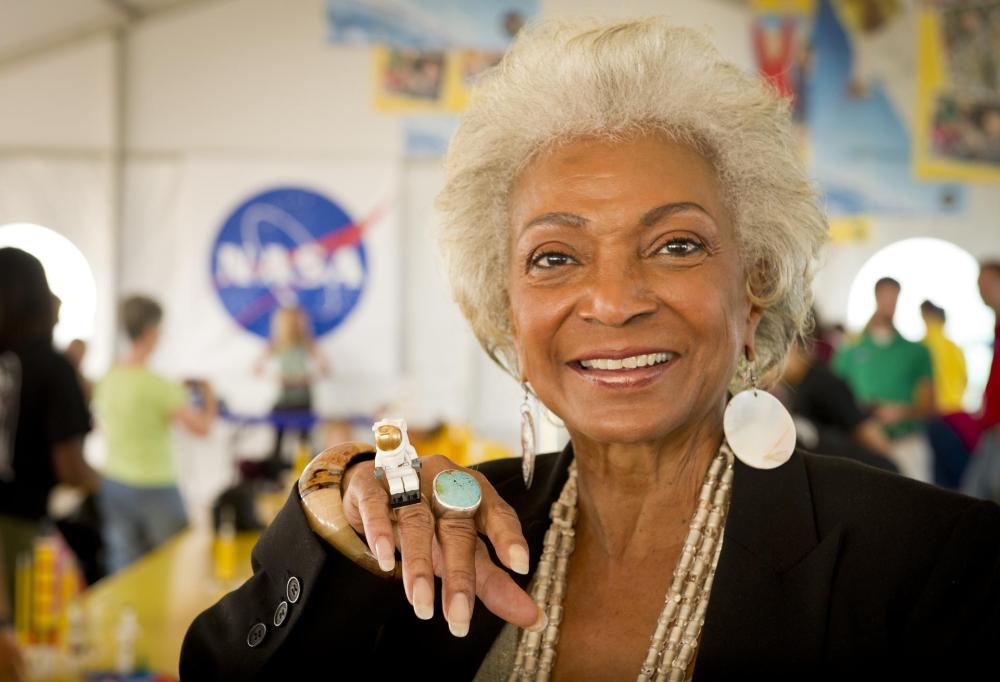
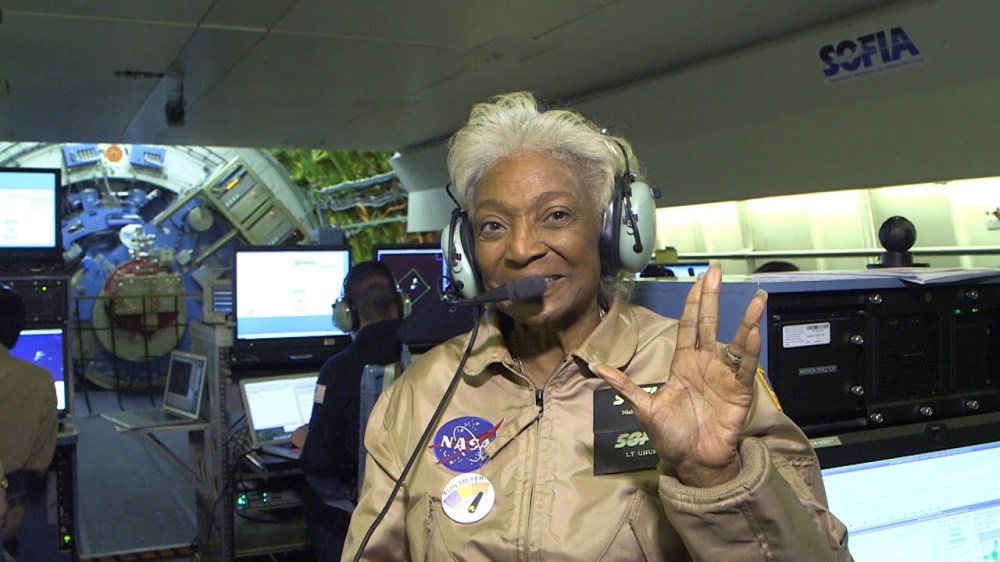
Here is where the story stops being only about television. A decade after Star Trek ended, NASA came calling. The agency was building out the Space Shuttle program and needed a new kind of astronaut, not just test pilots but scientists, physicians, and engineers. It also badly needed applicants who were not all white men. In early 1977, NASA brought Nichols on to lead a recruitment campaign aimed directly at women and people of color.
The numbers tell the rest. Before her campaign, NASA had collected roughly 1,500 applications, fewer than 100 from women and only 35 from minorities. Four months after Nichols took up the cause through her firm Woman in Motion, the agency had more than 8,000 applications, including 1,649 from women and over 1,000 from minorities.
The class that emerged from that pool in 1978 reads like a roll call of firsts. Sally Ride, the first American woman in space. Guion Bluford, the first Black American in space. Ellison Onizuka, the first Asian American in space. Judith Resnik, the second American woman in space. Ronald McNair, a physicist who would fly on the shuttle and later have an MIT building named in his honor. Nichols kept up her formal advocacy work with NASA for decades, a commitment that stretched roughly 38 years, and the agency awarded her its Public Service Award in 1984.
The woman who once considered leaving a TV role because it felt too small spent the rest of her life sending real people into orbit.
Why This Belongs to Juneteenth
Nichols died on July 30, 2022, at the age of 89. NASA marked her passing by saying its work to send the first woman and first person of color to the Moon under Artemis is guided by her legacy. That is a remarkable thing to be able to say about a person who started as an actor on a show that nearly lost her.
Juneteenth commemorates the moment freedom finally reached people who had been told, for far too long, that it was not yet theirs. The throughline in Nichols’ story is the same idea carried forward. A door gets opened. Someone is tempted to let it swing shut, because the cost of holding it feels too personal and too heavy. And then the choice is made to keep it open anyway, so that the people coming behind have a way through.
King understood that in a single conversation. Nichols lived it for the next 50 years. On a day about freedom delayed and then claimed, hers is exactly the kind of story worth remembering.
Sources: Yahoo Entertainment Cracked SlashFilm Collider Astronomy.com Space.com NASA





 gfpods.com
Leave a comment