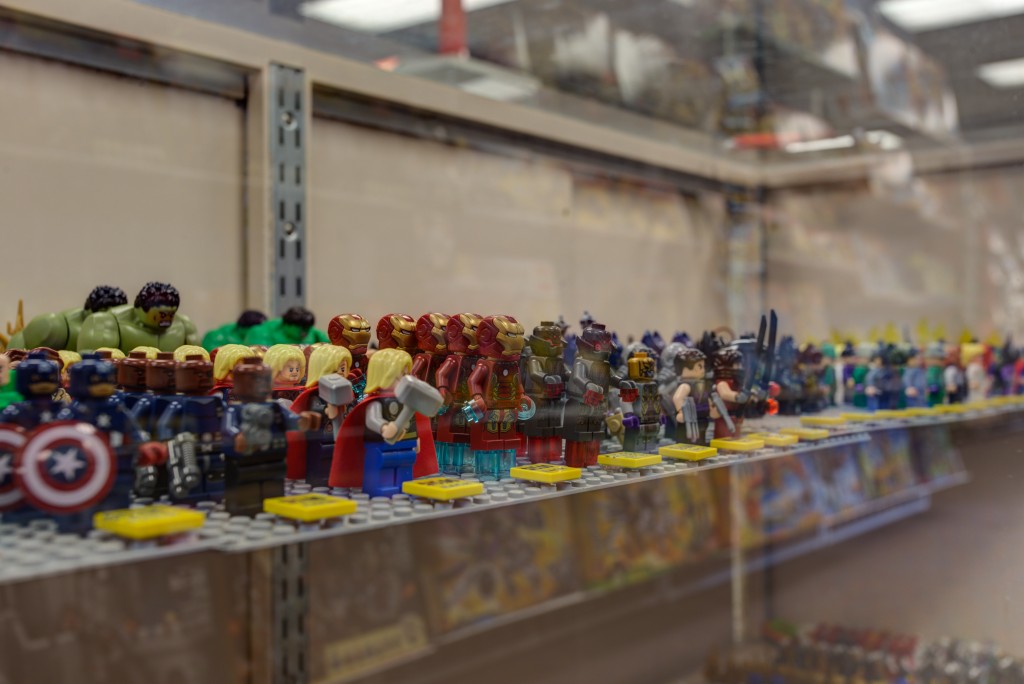
A consignment deal at a single Lego resale shop in Oregon has turned into one of the strangest internet stories of the year, complete with arrests, dueling lawsuits, a RICO claim, a Patreon standoff, and franchise stores closing their doors over death threats. At the center sits a Star Wars Lego collection, an aging collector, and a YouTuber who would not let the case go.
One important note before the timeline. Almost every major claim in this story is contested, and none of the allegations on any side have been proven in court. What follows is a chronological account of what has been reported and alleged, not a finding of fact.
How It Started
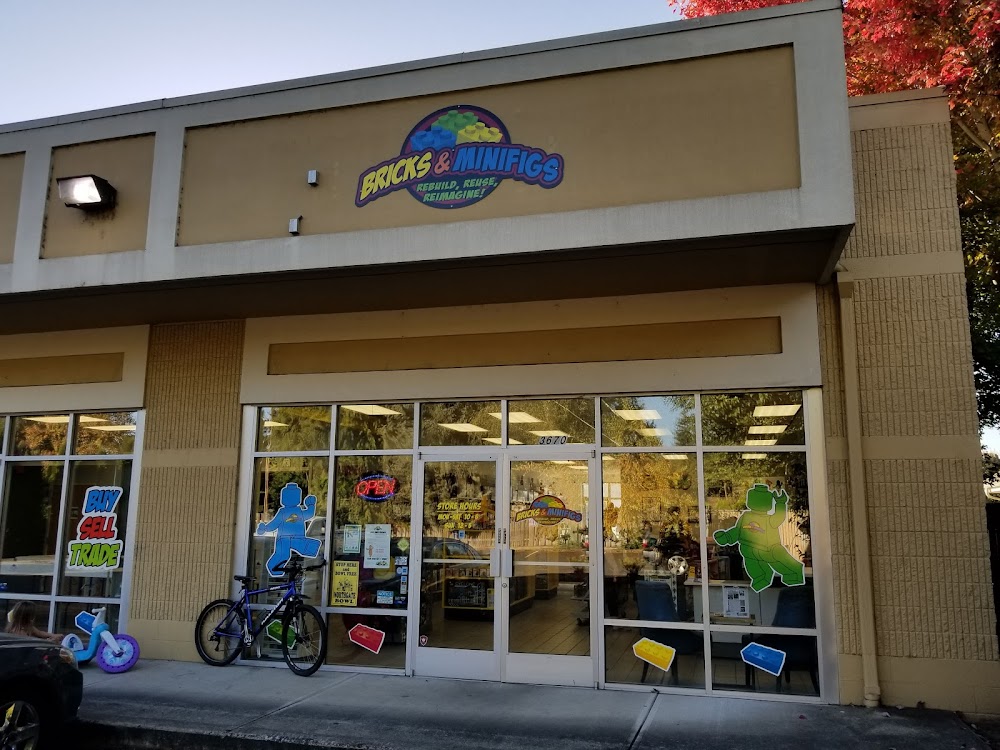
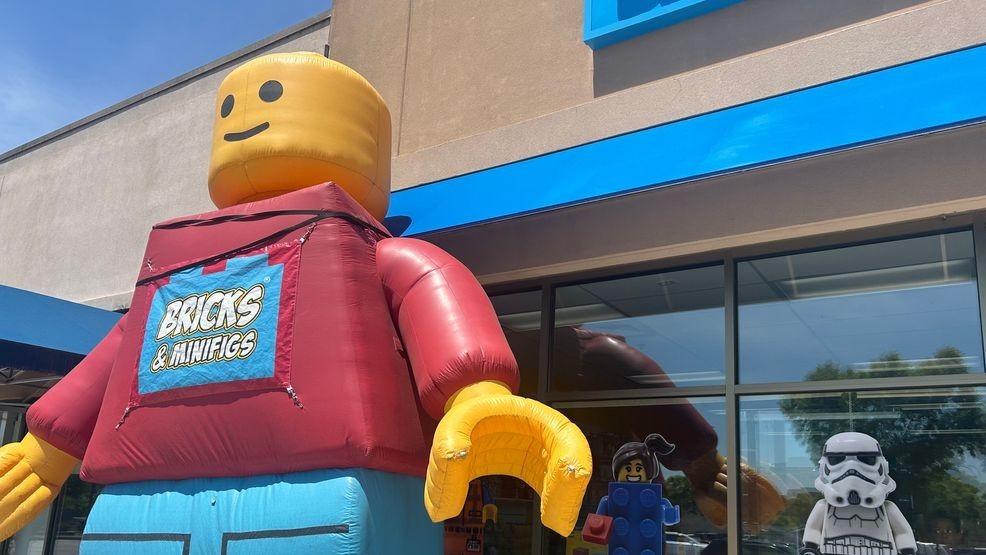
Bricks & Minifigs, usually shortened to BAM, is a Lego resale franchisor founded in 2009 with more than 300 independently owned stores across the United States and Canada. The stores buy, sell, and trade new and used Lego, and some offer consignment, where a customer hands over goods to sell while keeping ownership until each item moves.
That is the arrangement Bryan Mansell set up for his father, Ed, an aging collector in poor health who had spent more than two decades building a Star Wars Lego collection of roughly 780 sealed sets and over 1,200 minifigures. The collection was real and genuinely valuable. Individual sealed sets in that catalog can run into the thousands of dollars apiece.
The Timeline
November 22, 2023. Bryan Mansell signs a consignment agreement with the Salem-Keizer, Oregon Bricks & Minifigs store, then operated by Chrystal Law-Gorman and Benjamin Gorman. The deal reportedly gives the store a 35 percent commission, with the Mansell family keeping the rest and retaining ownership until each set sells. The store promotes the collection on social media as one of the largest private Star Wars Lego collections in the region, estimated to be worth well over $200,000.
November 2024. Ownership of the store transfers to Brandon Best and Joshua Johnson. This is the pivot point everything else hangs on. Corporate later says it issued a Notice of Immediate Termination against the Gormans over unpaid accounts and repossessed the inventory. The Gormans say they told the incoming owner about the Mansell consignment on the night they were forced out, and that security footage backs them up. The Mansells say the unsold sets were never returned.
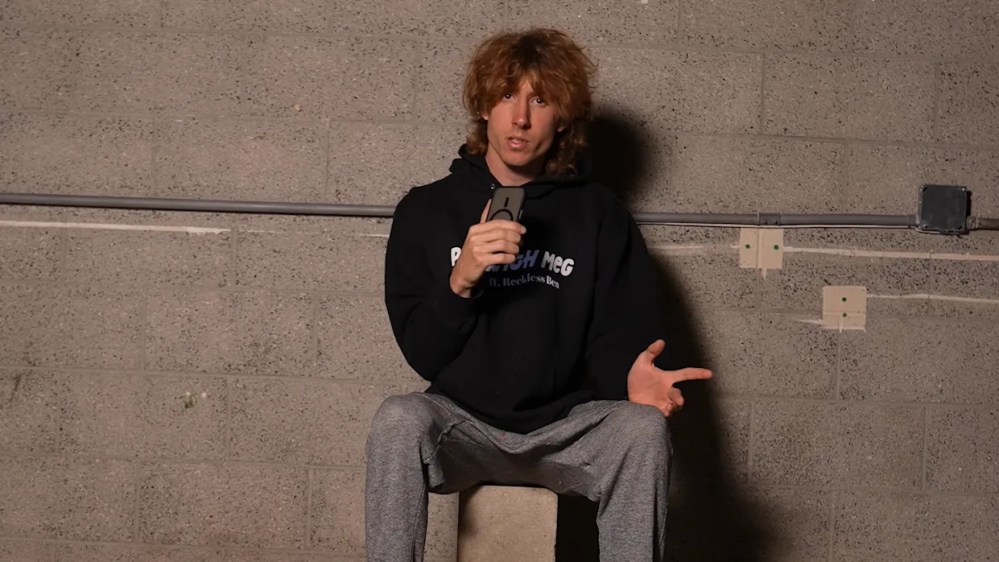
March 2026. The dispute reaches Utah, where Bricks & Minifigs is headquartered. Reckless Ben, whose real name is Benjamin Schneider, is arrested along with a member of his team after going to Joshua Johnson’s home, once reportedly to serve legal papers. American Fork police later describe several cases across early March and say charges followed on March 27. Prosecutors file misdemeanor counts including stalking, targeted residential picketing, criminal trespass, and disorderly conduct. Schneider disputes the account and says the visits were part of his investigation. On that same day, the Gormans file their own lawsuit against corporate, alleging wrongful termination and an improper seizure of their business assets.
May 21, 2026. Schneider posts the video that breaks the story wide open, titled “I tracked down the thief who stole $200,000 of LEGO.” It and the videos that follow each draw millions of views and pull in major online commentators.
May 28, 2026. A Utah court issues a temporary restraining order against Schneider, ordering him to take down dispute videos and stay 1,000 yards from company employees’ homes. The same day, the Salem-Keizer store posts a statement calling the “stole an old man’s life savings” framing false and insisting there is more to the story.
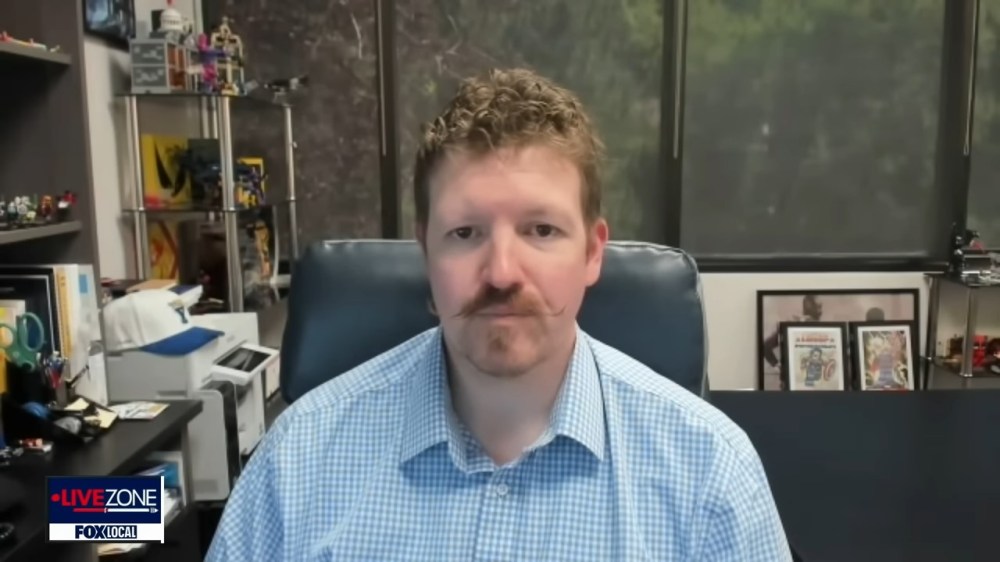
May 29, 2026. CEO Ammon McNeff appears in a livestream interview and says BAM corporate was never a party to the consignment, placing responsibility on the people involved in the original deal. American Fork police release a statement saying there are no active warrants for Schneider in Utah, contradicting his claim that he fled to Mexico to avoid arrest.
May 30, 2026. Bricks & Minifigs files a lawsuit accusing Schneider, Mansell, and others of coordinating a harassment and extortion campaign, brought under Utah’s RICO statute, the racketeering law usually associated with organized crime.
June 2 and 3, 2026. After BAM asks Patreon to remove Schneider’s account, Patreon CEO Jack Conte responds in a video, saying “Bricks & Minifigs can stuff it” and telling the company it can sue Patreon instead. The public refusal becomes the moment the story fully breaks containment and goes national.
June 4, 2026. Bricks & Minifigs announces it will permanently close the Salem-area store and part ways with owners Best and Johnson, citing negligence in how the location was run and handed off. The company says it has reached out to the Mansell family about restitution and is prepared to drop its lawsuit against Bryan Mansell. Best is still believed to own a separate franchise in Eugene, Oregon.
June 8, 2026. Schneider’s criminal court date in Utah arrives, tied to the charges filed against him earlier in the year.
June 9, 2026. Schneider posts a video saying the long-promised third part of his investigation will not be released, explaining that the ongoing litigation forces him to stay quiet to avoid jail time.
June 10, 2026. Schneider says he has been served with a gag order barring him from posting or speaking further about Bricks & Minifigs. The same day, YouTuber Coffeezilla releases his own investigation, including interviews with Ammon McNeff, COO Matthew McNeff, and the Gormans. Working through internal spreadsheets, Coffeezilla locates a large share of the missing collection and surfaces a side deal in which some sets were sold but still counted as part of the BAM consignment.
June 13, 2026. Bricks & Minifigs denies reports that it tried to seize the GoFundMe raising money for the Mansell family, a fund that has pulled in hundreds of thousands of dollars.
The Number Nobody Can Pin Down
The $200,000 figure that powered the headlines was never a formal appraisal. It traces back to 2023 Facebook posts promoting an in-store viewing of the collection. In its own June 4 timeline, Bricks & Minifigs calls it a promotional figure and says both sides’ records put the realistic high end closer to $95,000 to $100,000. Even that is not the disputed amount, since much of the collection either sold or went back to the family. Estimates of the actually contested portion range widely, from the Gormans’ “about half” down to one officer’s photo count of a few thousand dollars in identifiable sets. No one has produced a clean, agreed-upon number.
There is also a legal knot underneath all of it. Consignment law generally holds that taking control of a building full of someone else’s property does not make that property yours. If Mansell kept ownership of the unsold sets, a successor operator inherits only the right to sell them, not the right to keep them. The counterargument involves the Uniform Commercial Code and whether the Mansells filed the paperwork that would protect their claim against the store’s creditors, a step they apparently did not take. Legal commentators covering the case keep landing on the same conclusion, that everyone involved should have talked to a lawyer much sooner than they did.
The Local Fallout
The anger has not stayed online, and it has not stayed in Oregon and Utah. Independently owned Bricks & Minifigs stores with no connection to the dispute have been swept up in the backlash. A locally owned franchise in Sacramento said it received threats, including death threats, and announced it would close for roughly a week, from June 13 to 19, before reopening. A San Luis Obispo location reported harassing calls as well. Police departments with no role in the case have fielded a heavy volume of calls, some of them abusive, that risk tying up lines meant for emergencies.
Where It Stands
As of mid-June, the picture is split down the middle. Bricks & Minifigs has cut ties with the store at the center of the dispute and offered to make the Mansell family whole, while at the same time pursuing a sweeping lawsuit and benefiting from a gag order that has quieted its loudest critic. Coffeezilla’s reporting suggests the missing collection, or a large part of it, can actually be traced. The Gormans’ suit against corporate is still open, Schneider’s criminal case is still active, and the family’s GoFundMe keeps climbing. For a story that began with a stack of sealed Lego boxes, it shows no sign of resolving cleanly any time soon.
Wikipedia CBC News Dexerto KATU Nerdbeak Techdirt Bricks & Minifigs Official Timeline


 gfpods.com
Leave a comment