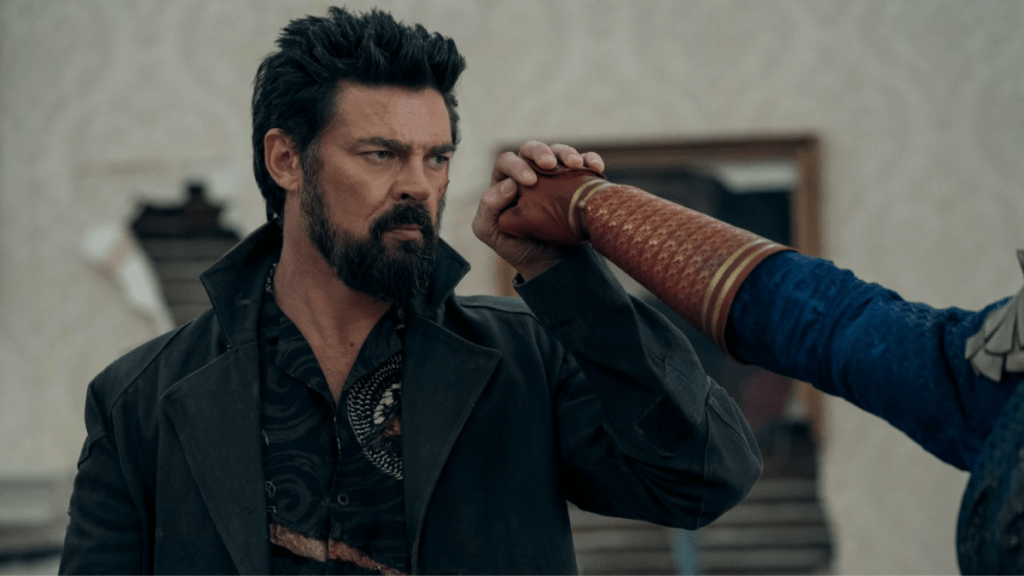
After five seasons and forty episodes, The Boys finally did the thing it spent seven years building toward. Homelander is dead. In the series finale, Kimiko strips him of his powers using the radiation trick that cost Frenchie his life, and Billy Butcher beats a powerless Homelander to death on the floor of the Oval Office in front of the world. It is brutal, it is small, and it is over fast. That last part is exactly what set a large chunk of the fanbase on fire.
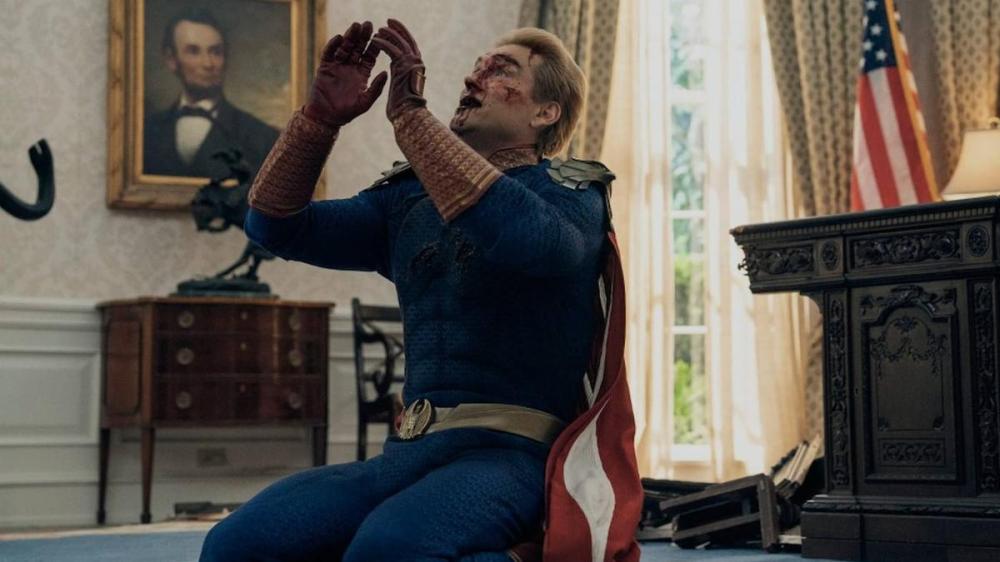
The backlash arrived almost the moment the credits rolled. A common complaint centered on power scaling, with viewers pointing out that it took three enhanced characters to pin a man whose lasers had cut Kimiko nearly in half earlier in the season (@Promiseishim). Others went after the writing logic directly, arguing that turning Homelander immortal in episode six only to kill him two episodes later made the whole arc feel pointless (@NeuerJunior2). There were continuity gripes too, like the question of why Butcher did not start dying the instant Kimiko removed his powers, given that last season established the parasite was the only thing keeping him alive (@khaliltooshort).
The loudest voices framed it as a betrayal. Joe Vargas of the Angry Joe Show called the finale a hugely disappointing, small-feeling end and accused the marketing of lying about what the season would deliver (@AngryJoeShow). One widely shared review knocked the fight scenes for being too short and called Homelander’s death pathetic (@venom1s). Another ran through a list of squandered setups, from the wasted Soldier Boy material to the missing scorched earth confrontation people expected (@damiebi10). A few went straight to the grave, predicting the show would be forgotten almost immediately and warning people off the spinoffs (@RealLifeFakeWiz).
Here is the thing though. Most of those complaints are asking the show to be something it never was.
The Boys has always been a satire of the exact superhero spectacle that fans were demanding in the finale. Expecting Homelander to summon an army and level a city in his final hour misreads what the character was built to represent. He was never a god. He was a frightened, stunted child cosplaying as one, and the entire dramatic engine of the series ran on whether the people around him would see through the costume before he hurt anyone else. Killing him with a massive power fantasy battle would have validated the very thing the show spent five seasons dismantling.
That is why the de-powered death lands. The moment Kimiko takes his abilities, Antony Starr changes his whole physical performance, and viewers caught it instantly. One widely circulated post praised how his body language shifted into that of a scared kid the second the powers were gone (@soufflewaffle). Another fan put the thesis plainly, noting that without the laser eyes and super strength, Homelander is exactly what the series always said he was, a pathetic man throwing a tantrum (@flurryfrenzy). A third argued that the people angriest about the ending were the ones who had spent years rooting for Homelander as a power fantasy rather than seeing the insecure figure underneath (@GerardoV17Alt).
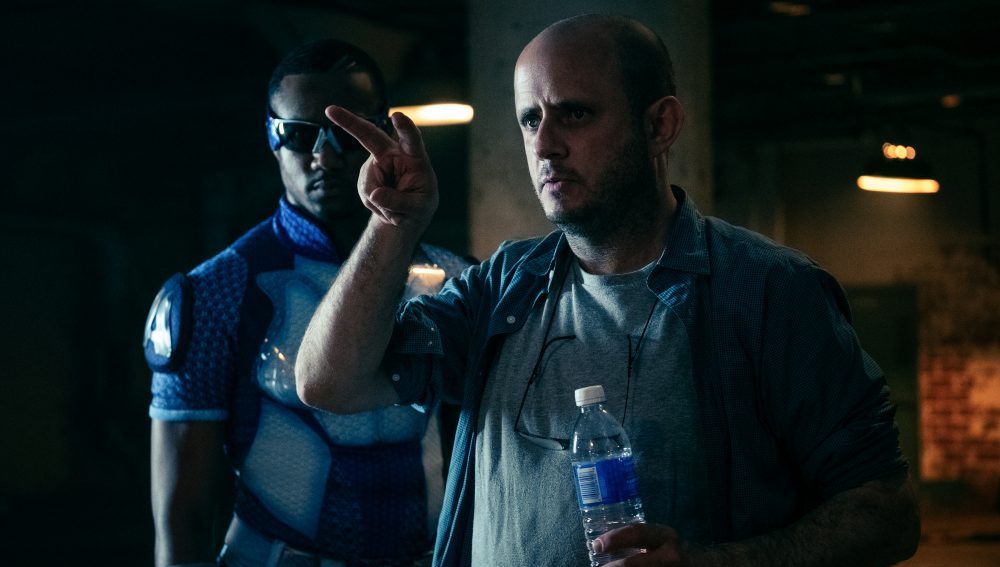
Showrunner Eric Kripke has been open about the intent. He told The Hollywood Reporter that he always wanted Homelander stripped of his powers and left at the mercy of the ordinary people he held in contempt. He also explained the choice to make the death quick rather than drawn out, pointing to a hard story problem. You cannot let a depowered Homelander walk out of the room, because he is one injection of Compound V away from being a god again, which would render the entire sacrifice meaningless. The point was to let the audience see how weak and pathetic he becomes once the bluster is gone.
Kripke also offered some useful perspective on the online reaction itself. He noted that the season pulled 57 million viewers within its first 35 days, and that the angry corner of social media, however loud, represents a fraction of the actual audience rather than a referendum on the work. That gap between the online temperature and the broader response is worth keeping in mind whenever a finale trends for the wrong reasons.
The critical read tracks with that. Writing for DiscussingFilm, James Preston Poole called the ending near perfect and argued the undignified death is not just cathartic but smart, the natural endpoint for a villain who crowned himself a deity and turned out to be a coward. The finale also gave the rest of the ensemble real closure, with Hughie forced to put Butcher down before he could wipe out every supe, Starlight building a life away from the fight, and the show landing on a note of optimism that felt earned after a long and ugly road.
None of this means the season was flawless. The Compound V immortality detour did eat screen time, the Gen V and Vought Rising setups created expectations the finale chose not to service, and a couple of arcs got resolved faster than they deserved. Those are fair notes. But the death at the center of it all, the thing people were most upset about, is the part the show got right. Homelander did not deserve a glorious final battle. He deserved to die scared, powerless, and begging, and that is precisely how he went out.



Leave a Reply