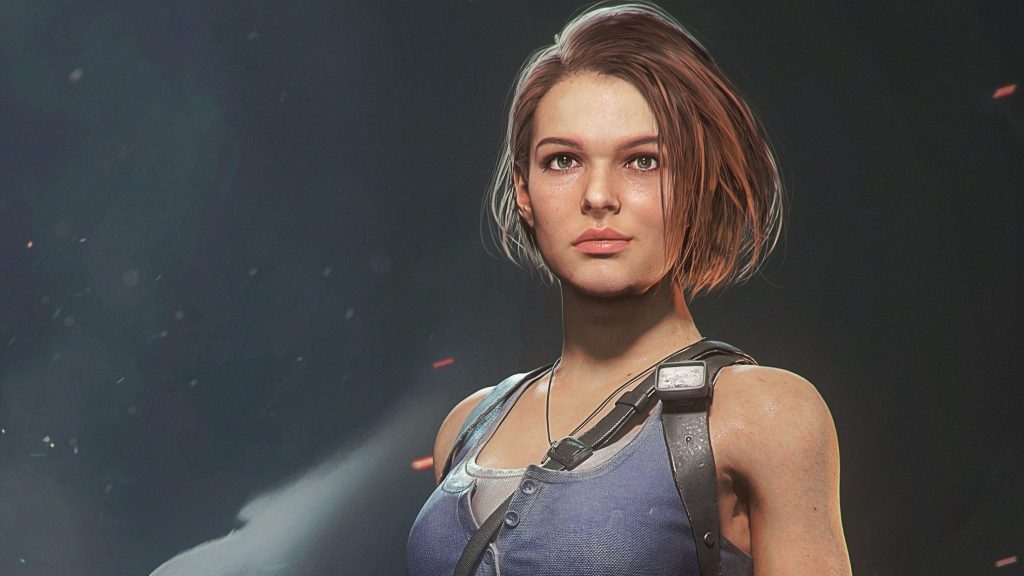
In our interview with Heidi Anderson Swan, the voice of Jill Valentine in Resident Evil, one thing became clear very quickly: she did not walk into that recording booth knowing she was helping shape one of gaming’s most lasting horror icons. At the time, it was another acting job, another voiceover session, and another chance to bring emotion, strength, and urgency to a character who would eventually mean a lot to generations of players.

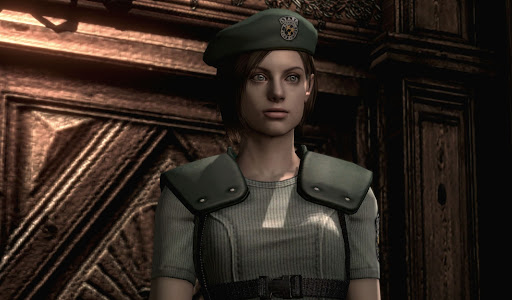
That is part of what makes Jill Valentine so interesting. Her legacy was not built through endless speeches or obvious “hero moments.” It came from the way she carried fear without being swallowed by it. She was scared, surrounded, and thrown into a nightmare, but she kept moving. Heidi explained that her approach was rooted in bringing herself to the role first, then adding layers of toughness, urgency, and survival instinct through direction.
That balance matters. Jill is not memorable because she is emotionless. She is memorable because she feels human while still being capable. Heidi talked about how the director pushed her to make Jill tougher, especially in moments where the natural instinct might have been to sound more vulnerable or panicked. Instead of falling apart, Jill had to keep fighting. That choice helped define the character.
There is a reason fans still connect with her. Jill Valentine is not just a horror game protagonist. She is one of the characters who helped show that survival horror could have a female lead who was not waiting to be rescued. Heidi described Jill as honorable, brave, and someone who takes care of herself while also trying to save others. That sense of responsibility is a huge part of why the character has lasted.
The interview also highlighted something easy to forget now: nobody involved knew Resident Evil would become what it became. Heidi said video game work at the time did not carry the same prestige it does today. It was not seen as the major career lane that voice acting in games has become. For her, Jill was an acting job, one she took seriously, but not one she expected people to still be talking about decades later.
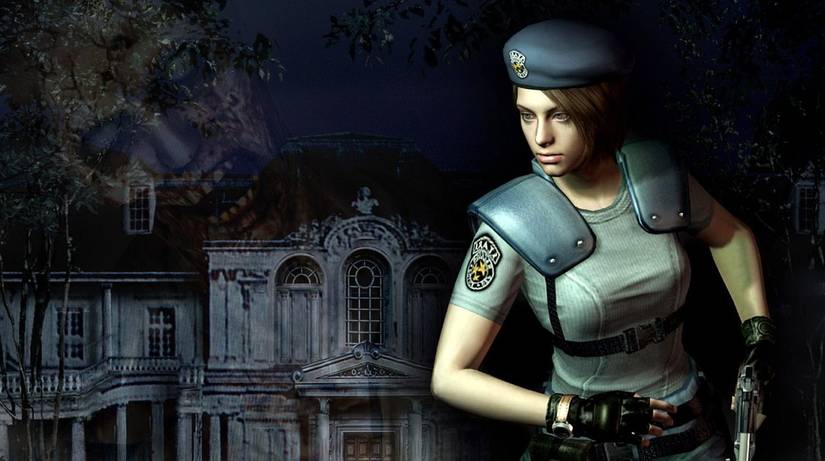
That makes the fan connection even more powerful. Heidi shared that fans still approach her at conventions to recreate scenes, talk about lines, and explain what Jill meant to them. Those moments show how much a performance can grow beyond the room where it was recorded. A scene that might have felt like a quick line in a booth can become a memory that sticks with someone for years.
Jill Valentine’s importance also comes from the way she represents survival horror at its best. She is not invincible. She is not detached from the danger around her. She feels the fear, but she keeps acting anyway. That is the core of the genre. Survival horror works when the character feels vulnerable enough for the danger to matter, but strong enough that we believe they can push through it.
Heidi’s performance helped give Jill that shape. She brought care to the character, but also strength. She gave Jill enough emotion to feel real and enough grit to feel like a hero. That combination is why Jill still stands out in a genre filled with monsters, mansions, viruses, and jump scares. The horror may bring people in, but characters like Jill are why they stay invested.
Our interview with Heidi Anderson Swan was a reminder that some legacy roles are built quietly, one line at a time. Jill Valentine became iconic because she felt grounded, capable, and human in the middle of chaos, and hearing Heidi reflect on that role makes it even clearer why fans still see Jill as one of survival horror’s defining heroes.






Leave a comment