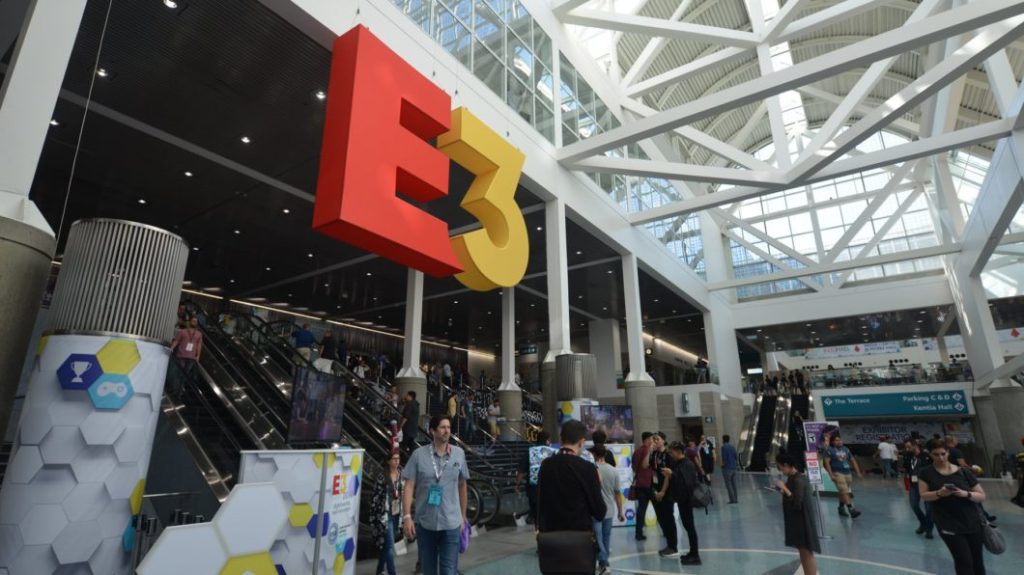
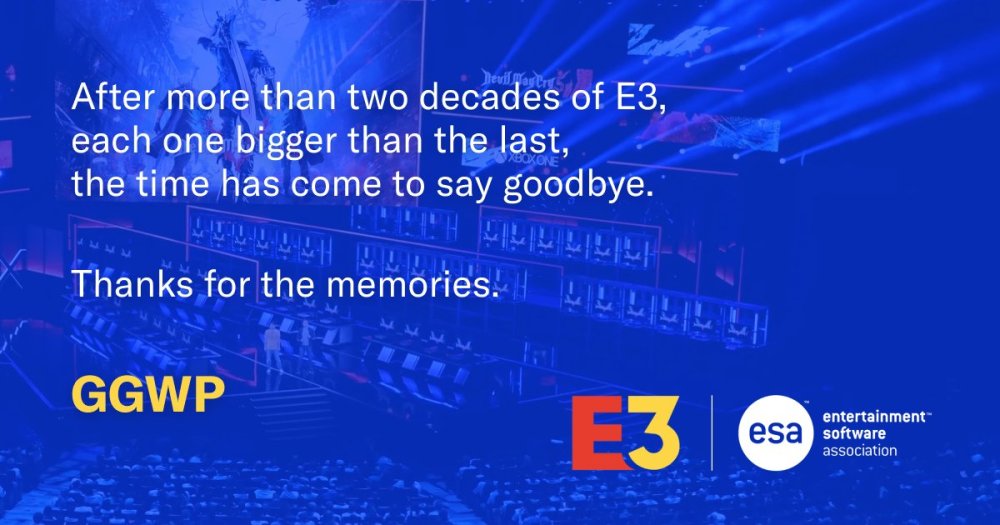
The Entertainment Software Association (ESA) has officially announced the closure of the Electronic Entertainment Expo (E3), a once-pivotal event in the gaming industry. This announcement marks the end of an era for a convention that has been a central showcase for both the U.S. and global video game industry for over two decades.
Why E3 is Ending
According to Stanley Pierre-Louis, President and CEO of the ESA, a combination of factors contributed to the decision to discontinue E3. These include the emergence of new competitors, partner withdrawals, evolving audience preferences, and disruptions caused by the pandemic. Despite efforts to revive the event, which has been a staple since 1995, these challenges ultimately led to its downfall.
The Evolution of E3
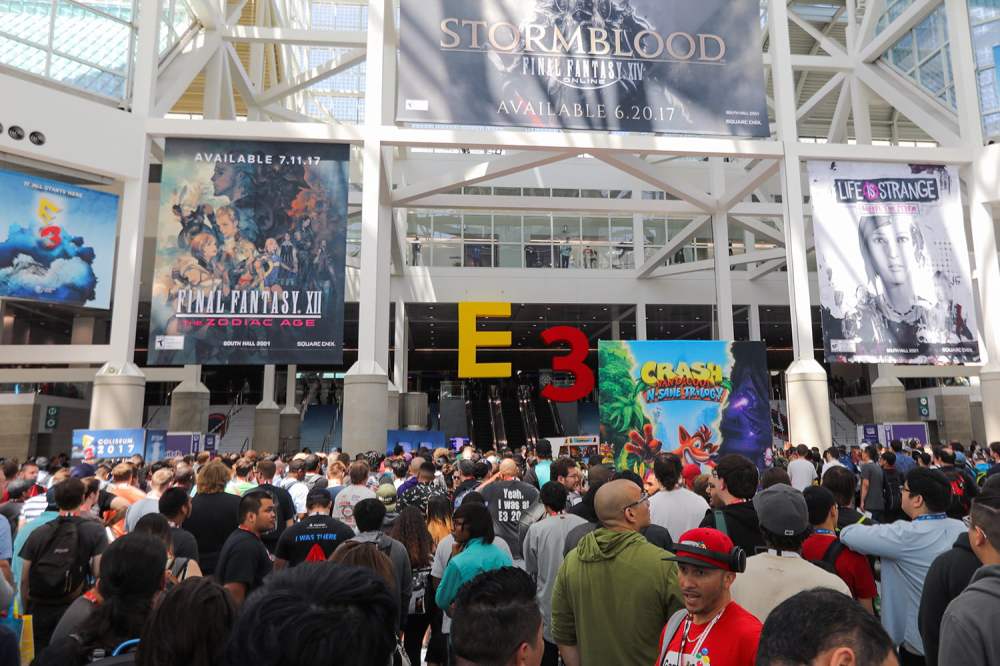
E3 began as a trade show in response to the marginalization of video games at the Consumer Electronics Show in Las Vegas. Over the years, it transformed into a massive multimedia event, showcasing major consoles like the Wii, PlayStation 3, and Xbox 360. It also became a platform for industry personalities, such as Hideo Kojima and Reggie Fils-Aimé, to gain fame.
The Shift in the Gaming Industry
The decline of E3 can be partly attributed to the rise of online video news conferences, which offer direct audience engagement without the costs and constraints of traditional trade shows. This shift was pioneered by Nintendo’s “Direct” format in 2011. Sony PlayStation’s withdrawal in 2018 further accelerated this trend, leading other companies to follow suit.
The Pandemic’s Impact
The COVID-19 pandemic played a significant role in E3’s closure. Quarantines and social distancing measures forced many game publishers to adopt online formats, varying in success. These digital showcases provided an alternative to in-person events, further diminishing the relevance of E3.
Looking Forward
Pierre-Louis expressed that E3’s closure reflects the evolution of the video game industry. Companies now have more opportunities to reach fans and partners through individual showcases and partnerships with other events. This change, he believes, is exciting for the industry and opens up new ways to engage audiences.
The termination of E3 signifies a major shift in the video game industry, symbolizing the end of an influential but ultimately unsustainable era. As the industry continues to evolve, new platforms and formats are emerging, reshaping how games are showcased and experienced.








 gfpods.com
Leave a comment