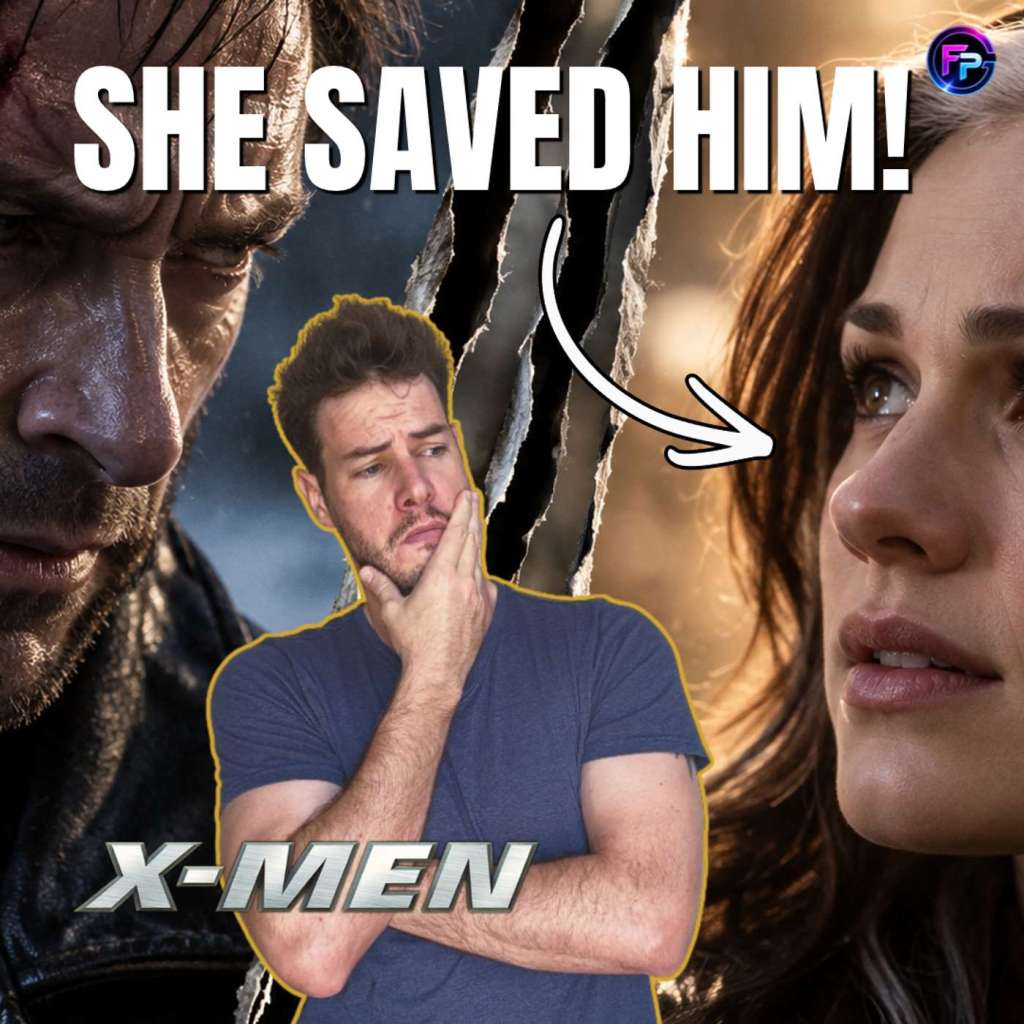
Wolverine spends the first act of X-Men (2000) keeping everyone at arm’s length. He fights in cages for money, drives alone through the Canadian snow, and treats every person he meets as a problem to get away from. The person who gets through to him is the one mutant who can’t touch him without hurting him.
That is the argument at the center of the latest episode of The Fandom Portals Podcast, where Aaron breaks down the specific scenes that turn Logan from a loner into a father figure for Rogue. His case is that caring for someone doesn’t make Logan weaker. It gives his strength a reason to exist.
The Truck in the Snow
It starts with a runaway. Rogue hides in the back of Logan’s truck, he finds her, and he tells her to get out. Then he stops the truck and lets her back in. Aaron reads that first stop as the moment Logan’s walls start to crack, before either of them knows it. The episode frames his isolation as emotional avoidance: shutting people out is how Logan protects himself from losing anyone else.
The next step is small and easy to miss. The two of them trade real names. He is Logan, she is Marie, and in a movie full of code names, that exchange is the first time either of them lets someone see who they are underneath.
When Fear Hurts Someone Else
Xavier’s school shows Logan a different way to live, but the scene Aaron keeps coming back to is the nightmare. Rogue tries to wake Logan, he comes up swinging, and his claws go into her. It is the clearest picture in the film of what Logan has been afraid of all along. Letting someone close means they can get hurt by what he carries.
Rogue runs, and Logan goes after her. He finds her on the train and apologizes, and Aaron treats that apology as the turn. Logan stops running from the person he hurt and goes toward her instead. The episode borrows the idea of a secure base from attachment psychology here: a child who knows someone will come back for them finds the confidence to face what scares them, and Logan becomes that for Rogue.
Aaron puts the fatherhood idea in plain terms with a line he uses on the show: being a parent means your heart lives outside your body. For a man who has spent the movie protecting himself, that is the scariest thing he could sign up for.
The Statue of Liberty and the Dog Tags
By the climax, Logan has learned something else he couldn’t do at the start: trust the X-Men to fight beside him. And when Magneto’s machine is killing Rogue on top of the Statue of Liberty, Logan lets her drain his healing factor to save her life, knowing it could kill him. The power he has used his whole life to survive alone is the thing he gives away.
The last beat is a promise. Logan leaves to find answers about his past, but he hangs his dog tags around Rogue’s neck and tells her he’ll come back for them. Aaron’s reading is that leaving and running away aren’t the same thing anymore. Logan goes, but he has someone to return to.
Why It Holds Up
Bryan Singer’s film, written by David Hayter for 20th Century Fox, gets remembered for black leather costumes and launching Hugh Jackman. Aaron makes a good case that its quiet center is Jackman and Anna Paquin, and a story about how one scared kid gets a man who had given up on people to try again.
The episode lands a week after Fandom Portals paid tribute to Patrick Stewart, whose Professor Xavier is the one who offers Logan that different way to live in the first place.
Aaron closes with the question of the week, and it is a good one to argue about: at what moment do you think Logan truly became Rogue’s protector? Send your answer to Fandom Portals on YouTube or Instagram.





Leave a Reply