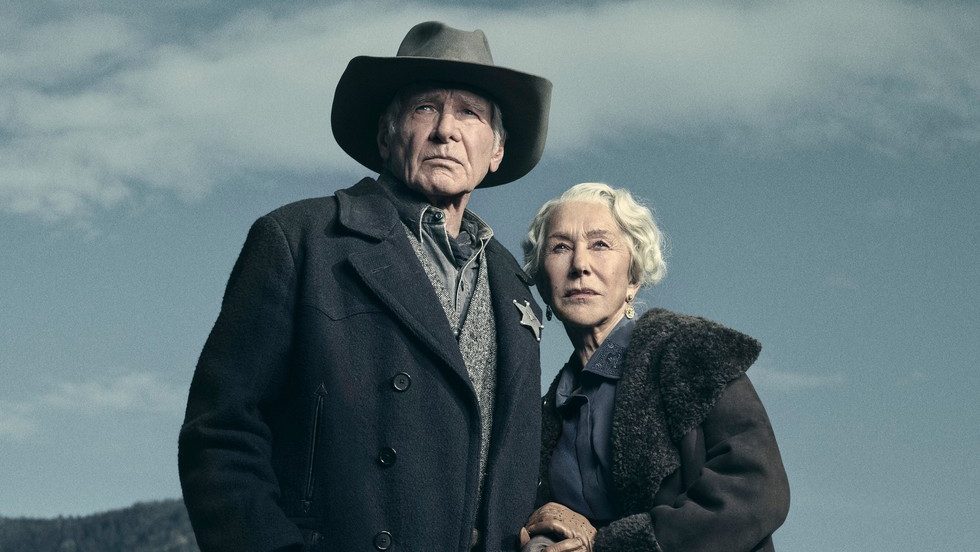
Season 2 closes the 1883–1923 chapter with a mix of thunder and elegy. On one side you’ve got the Dutton ranch war finally breaking open, with Jacob (Harrison Ford) and Cara (Helen Mirren) pushing through drought, debt, and Whitfield’s chokehold to keep the valley theirs. On the other you’ve got the show’s more operatic thread, Spencer and Alexandra’s long-distance love story, which swings from pulp adventure to fatalist romance. Taylor Sheridan leans hard into both modes, and the season’s best hours carry real weight. The ranch siege episodes are tense and physical, the landscapes are shot with purpose, and Brian Tyler’s score gives the violence a mournful edge.

The show’s performances stay grounded even when the plot aims for the clouds. Ford and Mirren don’t chew scenery; they wear the years. Their scenes have the quiet, married shorthand that made Season 1 work, and Season 2 lets them grieve, scheme, and protect without turning them into myths. Michelle Randolph’s Elizabeth gets more dimension than last year, shifting from shell-shocked to steel-spined while the Dutton future keeps slipping through her fingers. Aminah Nieves continues to be the series’ conscience as Teonna Rainwater. Her storyline is brutal by design, and Season 2 finally allows her agency without pretending that survival erases trauma. When that arc crests, it’s cathartic and also sad in the way history tends to be.
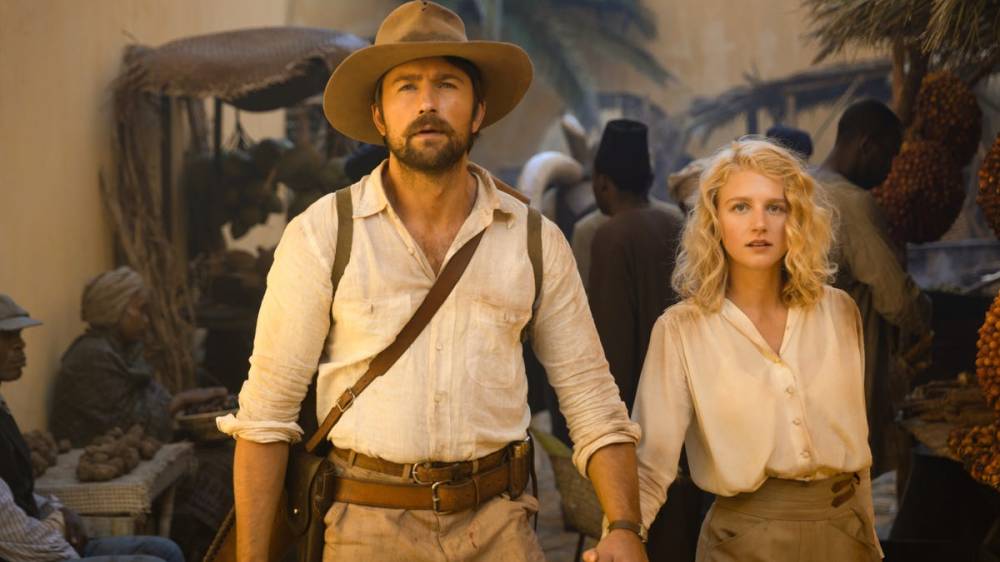
Pacing remains the franchise’s weak spot. The season sprawls, then suddenly sprints. Several mid-season hours are essentially separate shows: a creaky legal chase across the West, an ocean-liner brawler’s diary, a frontier home drama. Each lane works on its own terms, but the cross-cutting can clip emotional payoff. The penultimate episode is a body blow, the kind of massacre chapter that resets the board and leaves you hollow. The finale ties off the land war, nods to lineage, and then reaches for a lyrical afterlife coda with Spencer and Alex. It’s earnest, it aims for myth, and whether it lands will come down to your tolerance for sentiment. For some it’s a graceful farewell. For others it will feel like the show stepping out of its own skin.

What is undeniable is the craft. The series looks expensive and lived-in. Gunfights feel chaotic and mean. The ranch is photographed like a church that also happens to host a war. When the season plays fair, it earns its tears. When it goes big, it occasionally goes broad, and that contrast can be jarring. But as a capstone to this slice of the Dutton saga, Season 2 delivers closure with scars. It honors the idea that survival isn’t triumph so much as persistence, that land is both inheritance and burden, and that love in this world tends to arrive with a cost.

If you came to 1923 for the family, the frontier, and the sense that choices echo for decades, Season 2 gives you all three. It’s uneven, affecting, beautifully shot, and sometimes corny. It also feels final in a way that lets the next chapter, whatever year they stamp on it, start fresh.




 gfpods.com
Leave a reply to Cosima Diamond Cancel reply