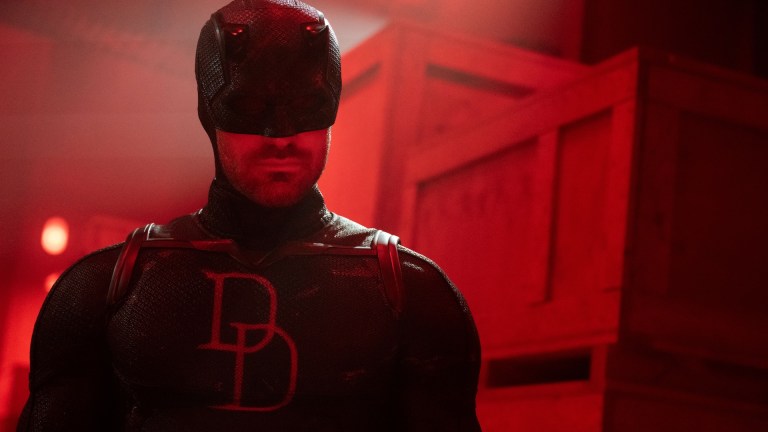
“The Northern Star” opens like a warning shot. Matt Murdock is back in motion from the start, slipping onto Fisk-connected cargo ship Northern Star and tearing through armed men as he tries to stop a weapons shipment tied to the mayor’s Freeport operation. It is a brutal, fast opener, but more importantly, it tells you right away what this season wants to be. This is not a premier interested in slowly reassembling the board. It drops us into a city that has already changed, a city that feels more controlled, more afraid, and more willing to let Fisk define order on his terms.
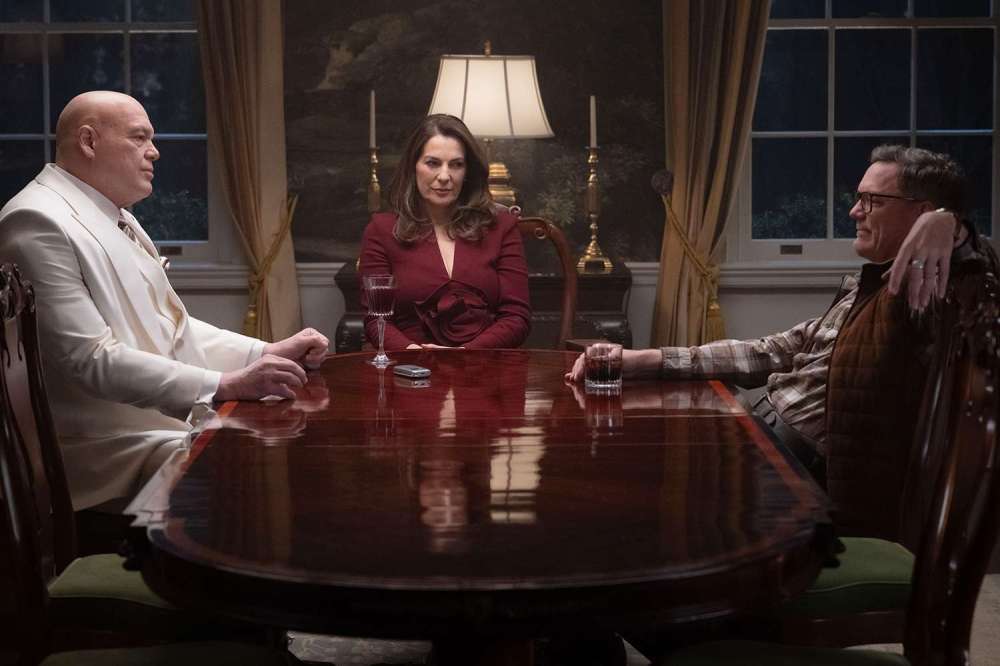
That is what makes the episode work so well. It feels less like a setup and more like a return. The show does not waste much time trying to remind you that Fisk and Matt hate each other. It assumes you know that and moves forward with a clearer question: what does New York look like now that Fisk’s power has spread beyond crime and into the machinery of the city itself? By the end of the hour, that answer is ugly. The port is compromised, the city is on edge, vigilantes are being targeted, and Matt is no longer just punching his way through personal enemies. He is fighting a system that has started to normalize corruption.

The plot also moves with real purpose. After Matt’s attack forces the crew to scuttle the Northern Star, the ship sinks with the weapons aboard, creating both a political mess and a practical one for Fisk. That is a smart way to kick off the season because it gives Matt an early win without pretending he is actually ahead. He disrupts the operation, but he does not dismantle the machine behind it. Instead, the fallout gets larger when Fisk is pressured over the wreck and a CIA-linked figure, Mr. Charles, enters the picture, making it clear that Fisk’s reach now overlaps with forces even bigger than City Hall.
What I like most here is how every major plot beat feeds the same core conflict. Fisk’s anti-vigilante push is not treated like background noise. It feels like a central weapon in the story. The episode shows a city where the law is becoming a costume for revenge, and where Matt’s side of the fight is getting harder to defend in public, even if it is morally obvious to the audience. Kirsten learning that these vigilante trials may already be decided adds to that feeling of rot. This is not just about bad people doing bad things. It is about institutions getting bent until justice becomes theater.
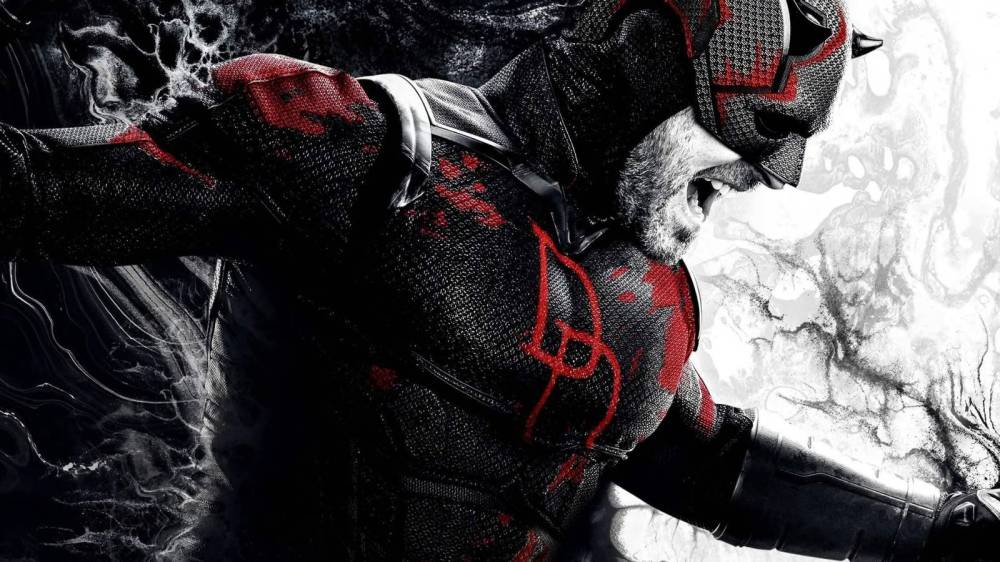
That darker political angle is where the premiere really locks in. Fisk has always been dangerous, but he is more compelling when he can turn fear into policy instead of just violence. Season 2 understands that. Fisk is not simply back in power. He is in a position to shape public narrative, weaponize fear, and punish anyone who refuses to play by his rules. That makes Matt vs. Fisk feel bigger than a personal grudge. It feels like two ideas of the city colliding. One is rooted in control, intimidation, and public obedience. The other is rooted in resistance, even when resistance no longer looks winnable.
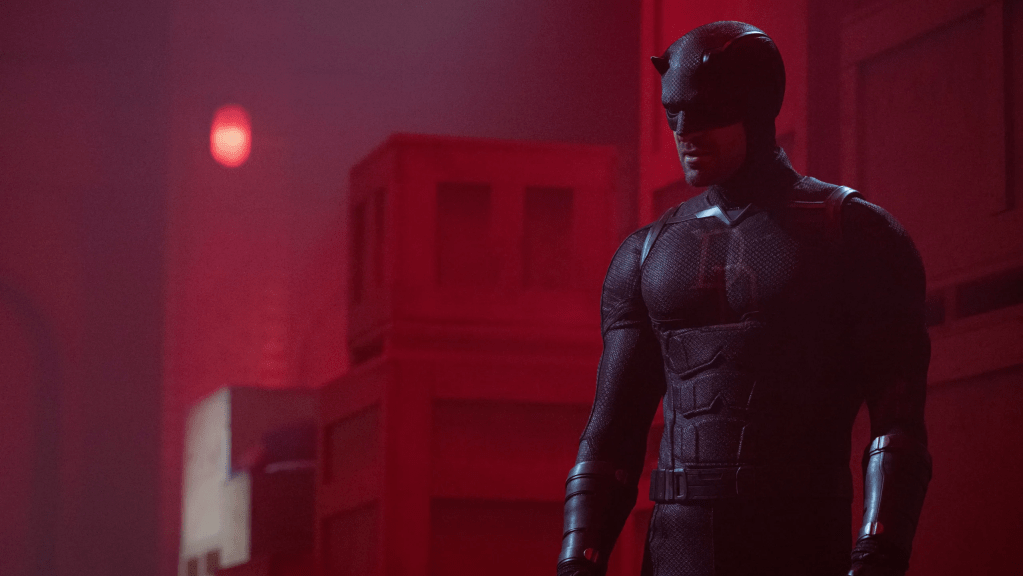
The action might be some of the best in the franchise. The Northern Star sequence is fantastic because Matt does not just feel aggressive, he feels fully realized. There is a stronger comic-book edge to the way he uses his gear now, especially the billy clubs, and it gives the choreography more personality without making it feel less painful. He fights like someone who has stopped holding part of himself back. For longtime Daredevil fans, that is one of the most satisfying parts of the episode. The show is finally leaning harder into the version of Matt that feels closest to the comics while still keeping the violence heavy and grounded.
The later apartment fight is just as strong for a different reason. When Matt and Cherry get caught in the Anti-Vigilante Task Force’s orbit, the sequence becomes less about spectacle and more about pressure. The brutality lands, but so does the panic. Cherry getting pushed to the brink while Matt tries to hold the room together gives the whole scene a desperation that separates it from the cleaner, more controlled action earlier in the episode. It also helps the Bullseye reveal hit harder. That moment works because the episode has already built enough tension for his reappearance to feel like a genuine escalation instead of a cheap tease.
Performance-wise, Charlie Cox and Vincent D’Onofrio still carry this rivalry exactly the way they should. Cox gives Matt a stronger sense of direction here than he had during parts of Season 1. He feels more settled, more certain, and more dangerous. D’Onofrio remains great at making Fisk feel terrifying even when he is calm. He rarely needs to explode to dominate a scene. You can feel the threat in how controlled he is. The supporting cast also does good work keeping the city alive around them, and even smaller pieces of the episode, including the media and political threads circling Fisk, help make New York feel like a place that is actively being pulled apart.
What stands out most by the end is just how much clearer the show feels. Episode 1 does not spin its wheels. It gives Matt a mission, gives Fisk a structure to hide behind, and lets the city itself become part of the conflict. That clarity matters. It is why this hour feels like such a strong return instead of just another premiere trying to buy time before the real story starts.
If the rest of the season can hold onto this balance of plot movement, strong action, and darker political tension, then Season 2 has a real shot at being the version of Born Again that people hoped the series could become. This first episode feels focused, confident, and far more interested in pushing the war for New York forward than explaining why it matters. At this point, it already does.






 gfpods.com
Leave a comment