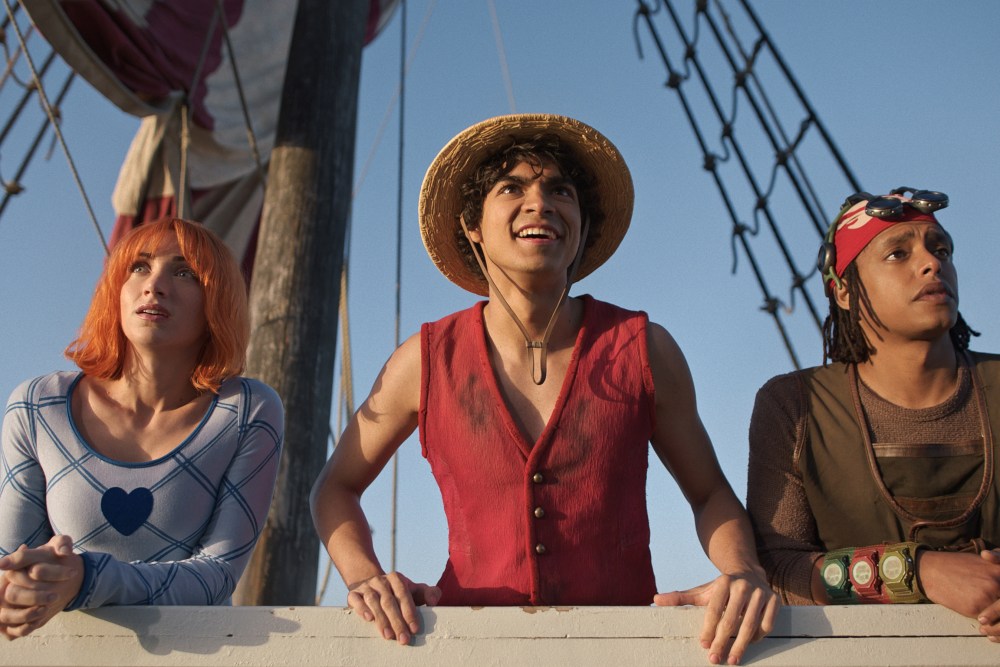
Netflix’s One Piece season 2 feels like the moment this live-action adaptation stops introducing itself and starts really living in its world. I’m giving it a 9/10, and a huge part of that comes down to the fact that we are finally past the setup phase. Season 1 had to build the crew piece by piece. Season 2 gets to cash in on that work. The Straw Hats no longer feel like strong individual characters sharing a ship. They feel like a real crew now, and that changes everything.
That was easily my favorite part of the season. You can feel the difference almost immediately once the story hits Loguetown and starts pushing the gang toward the Grand Line. The show is more confident because the characters are more confident with each other. Luffy still leads with that reckless optimism, but now Nami, Zoro, Usopp, and Sanji all bounce off one another in a way that feels lived in. The chemistry is tighter, the jokes land better, and the emotional beats hit harder because these people finally feel like they belong together.
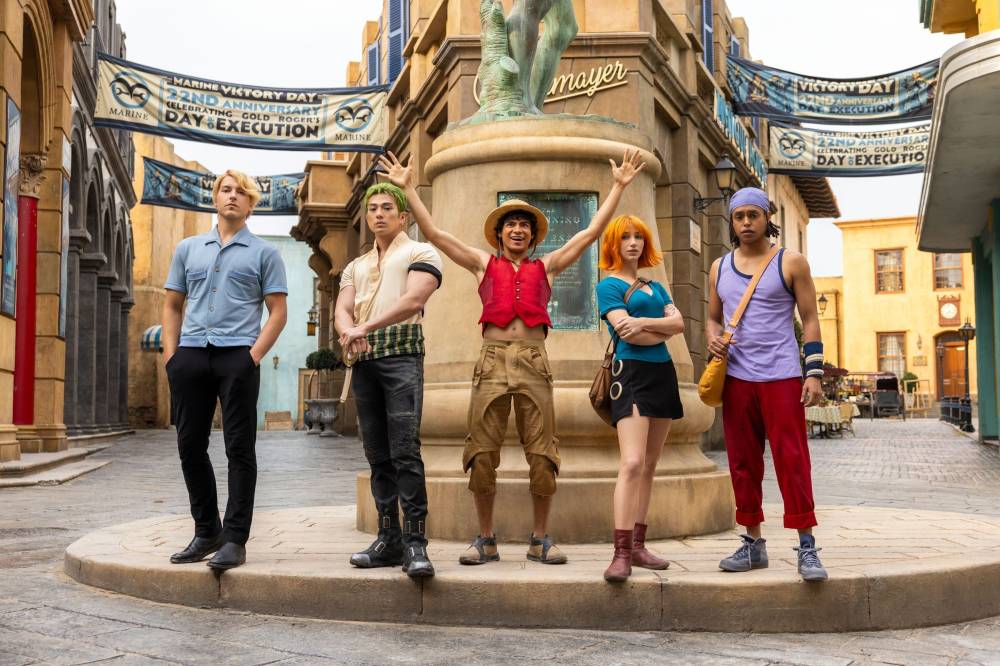
Season 2 also benefits from having a much more fun structure. Instead of spending most of its time on recruiting, it gets to lean into the adventure-of-the-week feel that makes One Piece special. The stop in Loguetown gives the season an energetic start with returning chaos from Buggy and Alvida while Smoker enters the picture as a real threat. Reverse Mountain and Laboon remind you how weird and heartfelt this world can be at the same time. Whisky Peak is where the season really locks in, because the celebration-turned-trap setup is classic One Piece and it gives the crew one of its first real tests as a unit.
The Vivi storyline is a big reason the season works as well as it does. Once the reveal lands that Miss Wednesday is actually Princess Vivi and that Igaram has been working undercover against Baroque Works, the season gains a clearer emotional direction. Suddenly, this is not just a pirate road trip through increasingly strange islands. There is urgency now. There is a kingdom in danger, and the Straw Hats get pulled into something bigger than themselves. That gives the season a stronger spine than season 1 had, even while it keeps hopping from island to island.
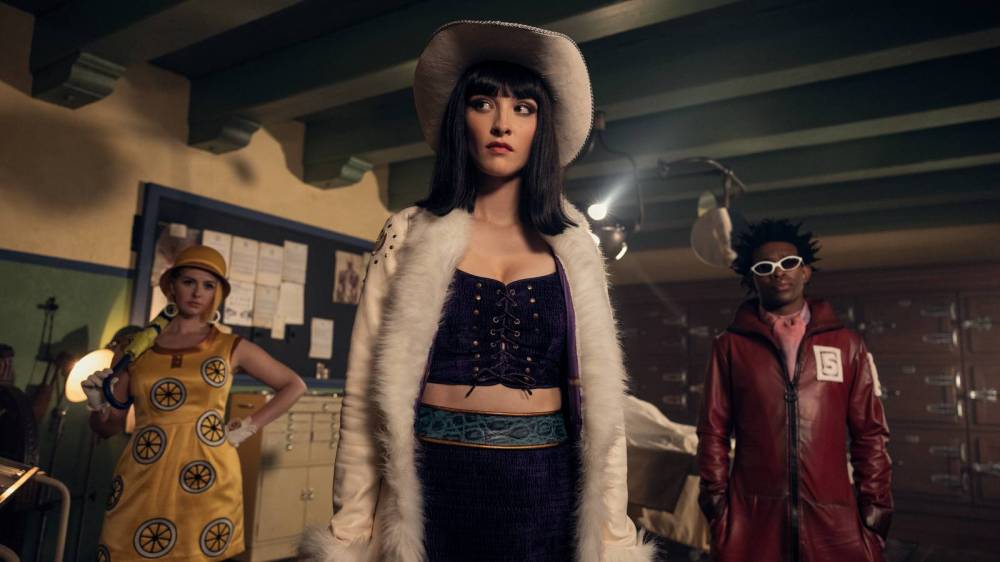
Little Garden might be the stretch that best captures what makes One Piece so hard to adapt and why this show mostly pulls it off anyway. Dinosaurs, giants, wax traps, colorful assassins, and total absurdity should feel ridiculous in live action, and sometimes it absolutely does, but the series is committed enough that it still works. Dorry and Brogy bring a fun mythic quality to the island, and the Baroque Works material gets more entertaining the stranger it becomes. Mr. 3 and Miss Goldenweek especially help sell the idea that this world can be threatening without losing its personality.
Then the season shifts into Drum Island, which is where it gets some of its best emotional material. Nami getting sick gives the story a more grounded kind of tension, and the snowy Drum Kingdom setting helps the back half stand apart visually from the earlier islands. Luffy and Sanji carrying Nami up the mountain is one of the best examples of what I like so much about this season. It is heroic, emotional, a little ridiculous, and fully sincere. That mix is One Piece at its best.
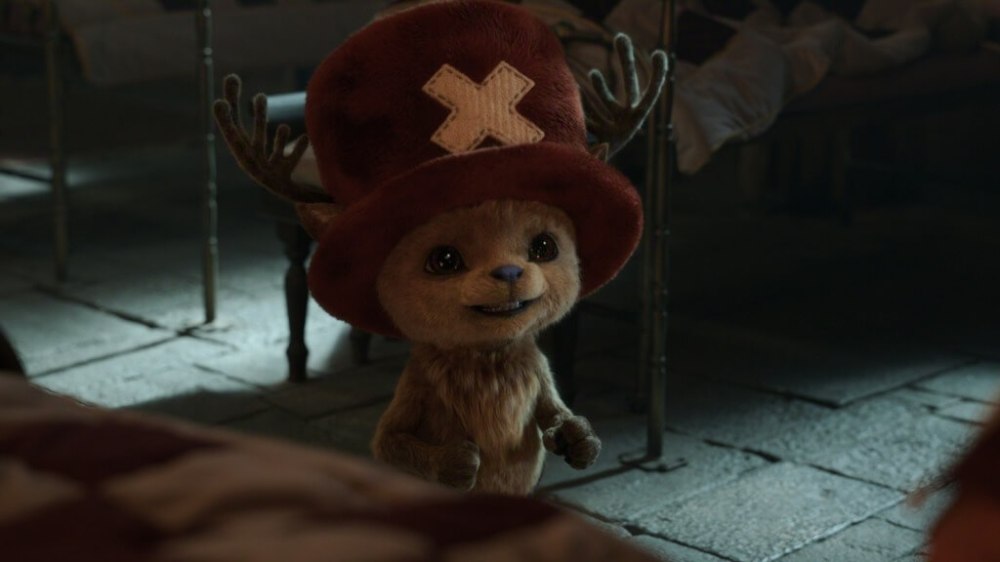
Chopper is another major win. Bringing a character like Tony Tony Chopper into live action was always going to be one of the biggest tests for this adaptation, and season 2 handles him well enough that he feels like a real addition instead of a gimmick. He is cute, yes, but more importantly, he brings heart. His introduction helps Drum Island land emotionally, and it gives the Straw Hats another personality to play off in a way that should pay off even more going forward.
The villains are stronger this season too, mostly because the show does a better job of building an ongoing threat instead of relying on one-off opposition. Baroque Works gives the whole season a sense of momentum. Even when the Straw Hats move from place to place, the danger follows them. The gradual reveal of Mr. 0 as the real power behind the chaos gives the ending more weight, and Joe Manganiello’s presence adds a level of menace that makes the story feel like it is building toward something bigger in season 3.
Performance-wise, this cast just feels more comfortable now. Iñaki Godoy still carries the series with a lot of heart, but season 2 spreads the spotlight better. Mackenyu gets some strong material as Zoro, especially once the season starts showing how dangerous he really is. Emily Rudd continues to ground the show when it needs it most. Taz Skylar and Jacob Romero bring more warmth and personality now that Sanji and Usopp are fully part of the team instead of still trying to find their place. That ensemble strength is probably the biggest leap from season 1 to season 2.
It is not perfect, which is why I stop at a 9 instead of going higher. There are still moments where the CGI looks a little too clean or the tonal balancing act gets shaky. The series can jump from goofy to serious very quickly, and sometimes that transition is smoother in animation than it is here. You can also feel the compression in spots because this season is covering a lot of ground across eight episodes. A few story turns and character beats would have benefited from more room to breathe.
Still, season 2 does exactly what a great second season should do. It builds on what worked, fixes some of what did not, and gives the audience a stronger sense of where the story is heading. More importantly, it finally lets the Straw Hats be the Straw Hats. That sense of crew chemistry is what pushed this season over the top for me. The introductions are done. The foundation is there. Now the adventure really starts.
Score: 9/10


 gfpods.com
Leave a comment