
Edgar Wright’s The Running Man is the kind of movie that grabs you fast. The setup is strong, the pace is relentless, and Glen Powell gives the film the kind of movie-star center it needs. As Ben Richards, a desperate father pulled into a televised death game for a shot at survival and money, Powell plays the role with enough charm and urgency to keep the whole thing moving even when the story starts to lose some of its edge.
That edge is really the biggest question hanging over the movie.
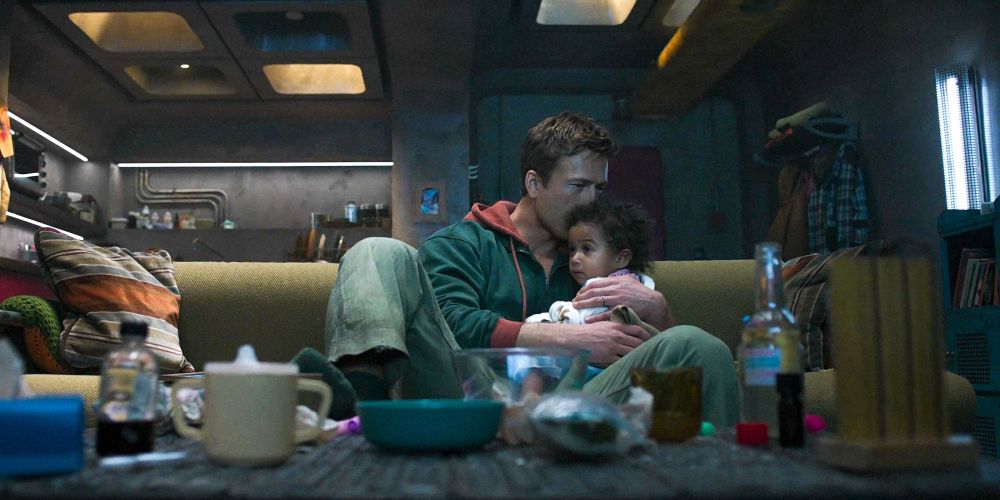
On paper, The Running Man should be vicious. It is a story about a culture that turns violence into entertainment and treats human suffering like content. That idea is still powerful, maybe even more now than when Stephen King first wrote it. Wright clearly understands that. The film updates the concept in smart ways, leaning into media manipulation, manufactured public narratives, and the way spectacle can bury truth. Those ideas give the movie a modern pulse, and for stretches, it feels like Wright is about to turn the whole thing into something sharp and ugly in the best possible way.
But he never fully goes there.
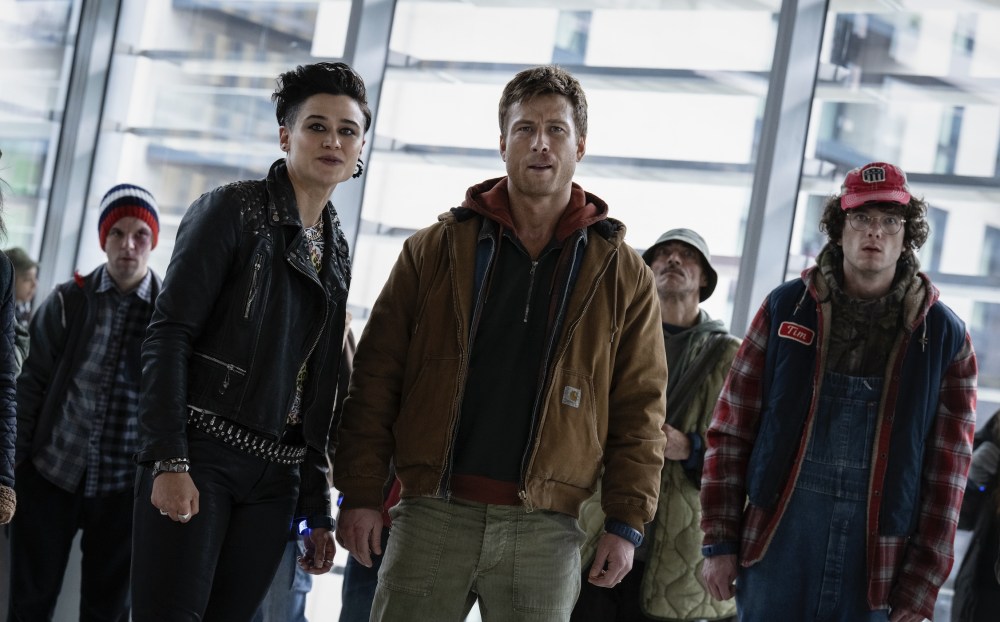
Instead, The Running Man often chooses style over discomfort. The action is slick, the world-building is fun, and the film rarely stops moving long enough to let its darker ideas really sink in. That makes it entertaining almost the entire way through, but it also keeps it from becoming as cutting as it should be. You can feel the movie brushing up against something nastier and more memorable, then pulling back before it gets there.
That push and pull defines the whole experience.
There is a lot to like here. Wright still knows how to stage movement better than most directors working in studio genre films. The movie has momentum, personality, and enough visual flair to keep the ride exciting. Powell is easy to watch, and the supporting cast gives the world some extra color, especially Josh Brolin and Colman Domingo, who both understand exactly how heightened this kind of material should feel. The film never lacks energy, and even when it stumbles, it does not get boring.
At the same time, it never feels as dangerous as its premise promises. For a story built on cruelty, exploitation, and public bloodlust, this version can feel a little too polished. A little too safe. The satire is present, but softened. The outrage is there, but diluted by the movie’s need to stay fast, funny, and crowd-pleasing. That is probably why the movie works best as a propulsive sci-fi action thriller and less as a truly stinging dystopian statement.

There is also a sense that Wright is caught between different versions of the same story. One is a grim, brutal piece of satire. The other is a big, kinetic studio thriller with a charismatic lead and a broad audience in mind. The Running Man spends most of its runtime trying to be both. Sometimes that balance works. Sometimes it leaves the movie feeling like it is holding back.
Still, even with those flaws, this is not a miss. It is a solid, watchable, well-acted adaptation with real momentum and a lead performance that keeps the stakes feeling human. It just falls short of being the knockout version this material could have supported. You leave the movie entertained, but also with the feeling that it could have hit a lot harder.
That makes The Running Man good, but not great. It runs fast, looks sharp, and knows how to keep an audience engaged. It just does not leave much of a bruise once it is over.







 gfpods.com
Leave a comment