Xbox finally has something concrete to point to. After new Microsoft Gaming CEO Asha Sharma recently said console would be Xbox’s “reference experience,” Microsoft followed that up by confirming Project Helix, the codename for its next-generation console, and saying it will play both Xbox and PC games. That is a big promise, and it instantly raises the stakes for what the next Xbox actually needs to be.
What makes this announcement interesting is that it does not feel like an isolated reveal. Microsoft has been laying the groundwork for a more blended Xbox future for a while now. The company has already talked about its next-generation hardware plans, expanded its Xbox full screen experience across Windows devices, and pushed harder to connect the Xbox ecosystem with PC gaming. In other words, Project Helix does not look like a standard console refresh. It looks like the moment Microsoft wants all of those ideas to become one consumer product.
Project Helix Needs to Be More Than a Hybrid
That is where the real challenge begins. Making a box that can technically run console-style software and PC-style software is impressive, but that is not the part most players will care about. People buy consoles because they want clarity. They want a machine that boots fast, feels consistent, avoids friction, and gives them confidence that a game will just work. PC players accept a little mess because openness is part of the appeal. Console players usually do not.
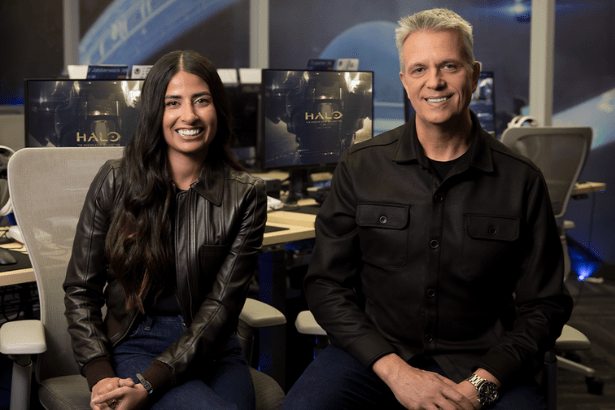
So the biggest question around Project Helix is not whether Microsoft can make a hybrid. It is whether Microsoft can make a hybrid that still feels unmistakably like an Xbox.
That sounds simple, but it really is not. The danger here is that Helix becomes a living room PC with an Xbox logo on the front. If that happens, Microsoft may win a few spec-sheet arguments while losing the bigger fight over identity. Xbox has already spent years telling people that phones, TVs, cloud apps, handhelds, and browsers can all be Xbox. That broad approach has reach, but it has also blurred the meaning of the brand. Project Helix is supposed to sharpen that picture again, not blur it further.
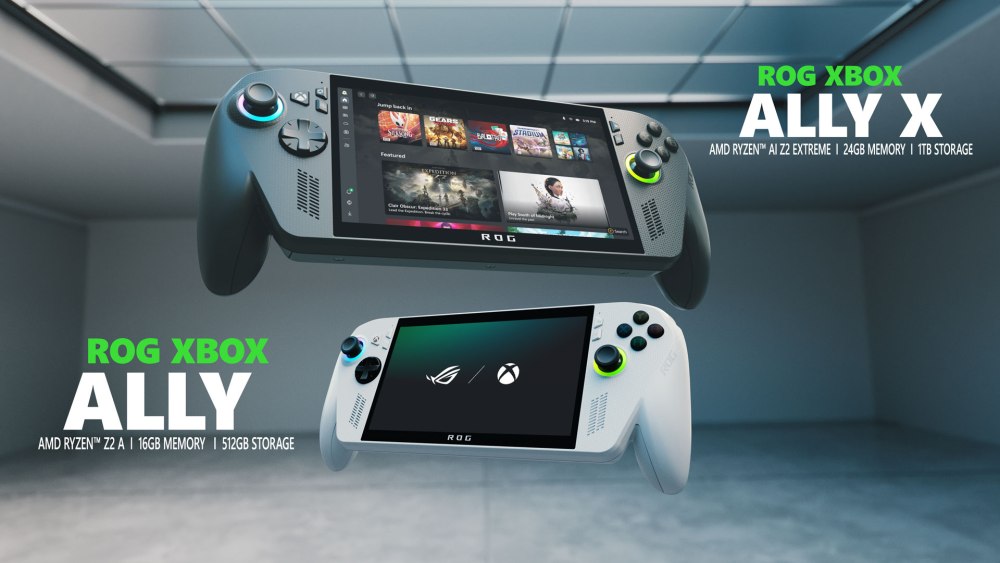
The ROG Xbox Ally devices were a useful test case. Microsoft has pushed hard to make Windows handheld gaming feel more console-friendly, and the full-screen experience is a smart step in that direction. It gives players a controller-first interface and easier access to games across multiple PC storefronts. But that still is not the same thing as a true console environment. A console cannot feel like it is borrowing its identity from Windows. It has to feel whole on its own.
Price Could Be One of Helix’s Biggest Problems
Price is another issue hanging over all of this. The more open Helix becomes, the harder it is to explain why buyers should pick it over a traditional gaming PC. A console usually benefits from a simpler ecosystem and a more predictable business model. But if Microsoft is serious about store openness, that likely weakens one of the classic advantages of selling subsidized hardware in the first place. That does not automatically mean Helix will be too expensive, but it does mean Microsoft has to explain its value in a way that goes beyond raw power.
And that value proposition needs to be obvious. The ideal pitch is not “this is sort of a console and sort of a PC.” The ideal pitch is “this is the easiest and most comfortable way to access your gaming life.” Microsoft actually has pieces of that story already. Xbox Play Anywhere is built around shared ownership and progress across Xbox, PC, and supported handhelds. Xbox Game Pass now presents itself as a service that stretches across console, PC, cloud, and handheld-style devices. Those are not side features anymore. They look a lot like the foundation of what Helix is supposed to become.
If Microsoft gets this right, Project Helix could be the first Xbox in years that feels like a clear response to where gaming is headed. Not by pretending the console era never changed, but by building a console that actually understands why people still want one. Convenience still matters. Consistency still matters. A clear identity still matters.
That is why Helix feels important already, even before we know the specs, price, or launch timing. It is not just a new machine. It is a test of whether Xbox can finally unify its PC, console, cloud, and handheld ambitions into something that makes immediate sense to regular players. If Helix feels effortless, Microsoft may have something special. If it feels like Windows with a nicer front door, then the confusion around Xbox is only going to get louder.








 gfpods.com
Leave a comment