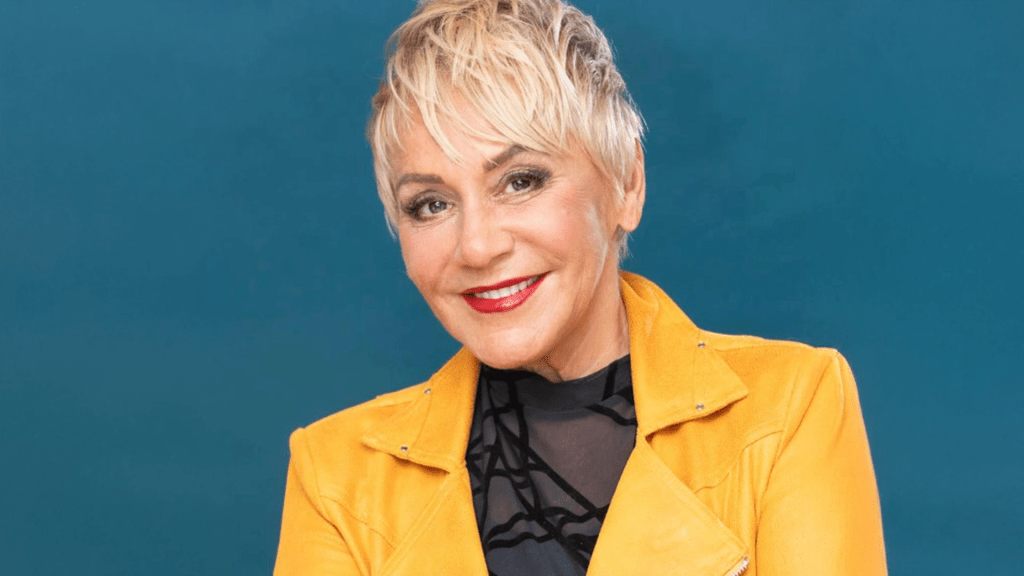
Lenore Zann has been the voice of Rogue for so long that for a lot of fans, she is Rogue. That connection came through clearly in her recent interview on Geek Freaks, where the conversation covered everything from X-Men ’97 and Marvel Rivals to activism, trauma, storytelling, and the personal journey behind her memoir A Rogue’s Tale.
What stood out most was how naturally Zann moves between talking about Rogue as a comic book icon and Rogue as a deeply human character. For Zann, Rogue’s power has never just been about super strength. It is about contradiction. She is tough, loyal, protective, wounded, loving, and often forced to keep people at a distance. That tension is what has kept the character compelling for decades, and it is clearly what still draws Zann to her.
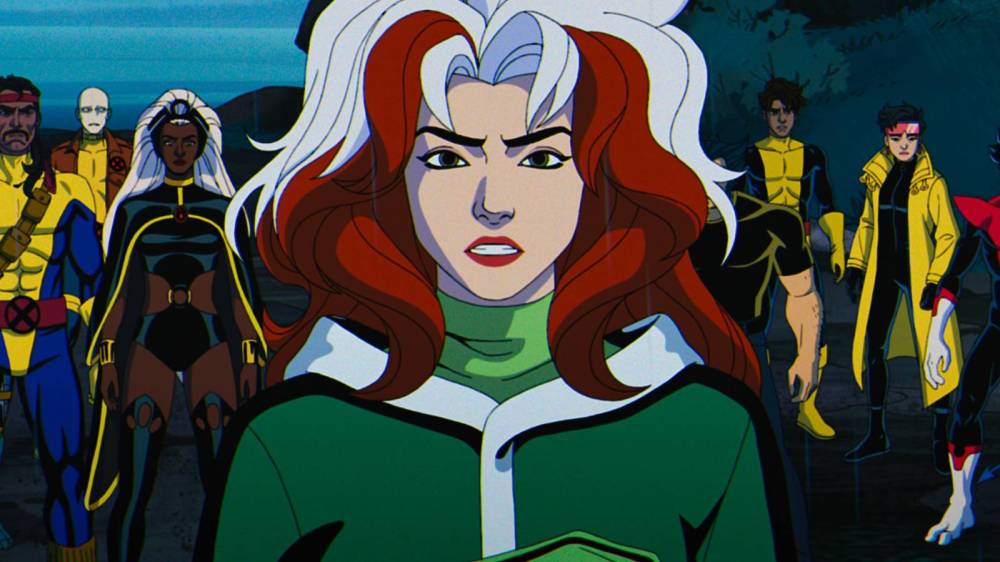
During the interview, Zann described Rogue as someone who would put her life on the line for others, especially for people who cannot protect themselves. That sense of justice is a huge part of the character’s appeal. But so is the vulnerability underneath it all. Rogue wants closeness, love, and a normal relationship, yet her powers make intimacy dangerous. Zann framed that emotional armor as one of the character’s defining traits, and it helps explain why Rogue continues to resonate with fans who see pieces of themselves in her.
That perspective also shaped how Zann talked about Rogue’s choices in X-Men ’97. Rather than reducing those decisions to simple betrayal or anger, she pointed to the trauma Rogue is carrying. In Zann’s view, Rogue is reacting to grief, genocide, loss, and survivor’s guilt. It is a reading of the character that makes her feel even more layered. Rogue is not just making impulsive choices. She is trying to find stability and purpose after experiencing enormous pain.
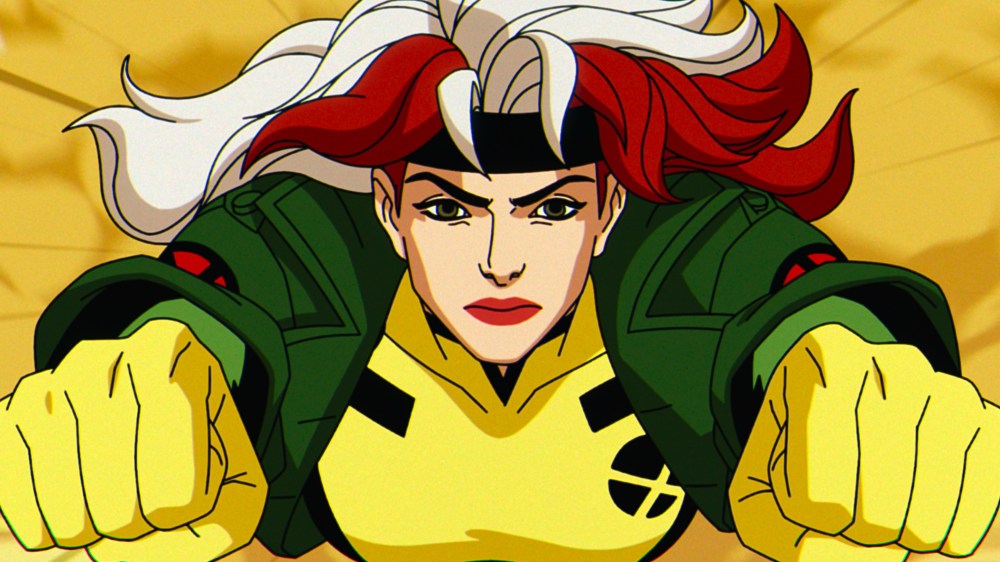
One of the most interesting parts of the interview was hearing Zann discuss performance itself. She pushed back on the idea that voice acting is somehow separate from “real” acting and made it clear that her approach begins with full emotional truth. Her background in theater, film, and singing all shaped the way she performs. That helps explain why her version of Rogue still feels so vivid. Zann does not just read lines. She builds emotion into the rhythm, pauses, tone, and texture of every scene.
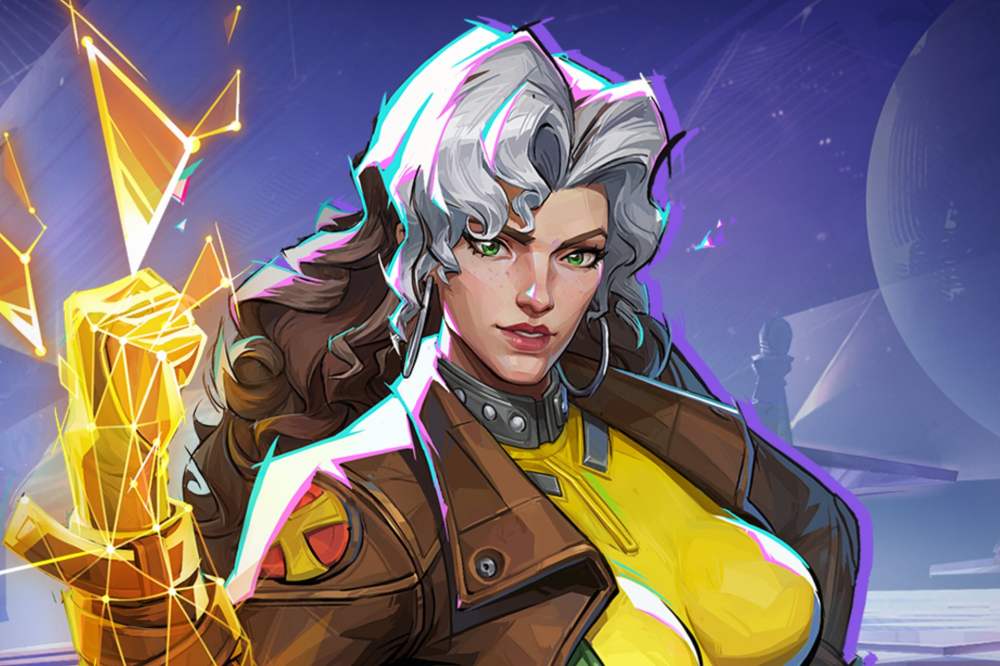
That same approach carries over into Marvel Rivals, where she said playing Rogue in a video game does not feel fundamentally different from any other version of the character. It is still Rogue, just in a new format. She also talked about adding some of her own personality into the role, which helps explain why her performance still feels fresh even after all these years. Fans may know the voice by heart, but Zann is still finding new ways to play with it.
The interview also touched on why Rogue works so well as a leader. Zann argued that once Rogue gets past the chaos and heartbreak surrounding recent events, she has all the qualities needed to lead the X-Men. She thinks fast, is willing to put herself in danger before anyone else, and carries deep compassion for outsiders. That last point may be the most important one. Rogue understands what it means to feel isolated, feared, and different. Because of that, she is uniquely positioned to guide younger mutants and protect the people around her.
That compassion led the conversation into something bigger than comics. Zann spoke openly about the anger, fear, and grief that shape the world right now, especially for women, LGBTQ communities, and marginalized people. She connected Rogue’s story to that reality in a way that felt thoughtful rather than preachy. Her point was simple: people often turn pain outward instead of dealing with what is underneath it. Rogue, at her best, represents the opposite. She stands for acceptance, self-worth, and the idea that differences are not weaknesses.
One of the strongest moments in the interview came when Zann reflected on Rogue’s line from the original animated series: “There ain’t no cure for who you are.” It is the kind of line that has followed fans for years because it speaks to something larger than superhero fiction. In Zann’s hands, Rogue has become more than a character with powers. She has become a source of comfort for people dealing with rejection, shame, identity struggles, and trauma. Zann said fans often tell her they think about what Rogue would say to them when life gets hard. That may be one of the clearest signs of how much this performance has meant to people.
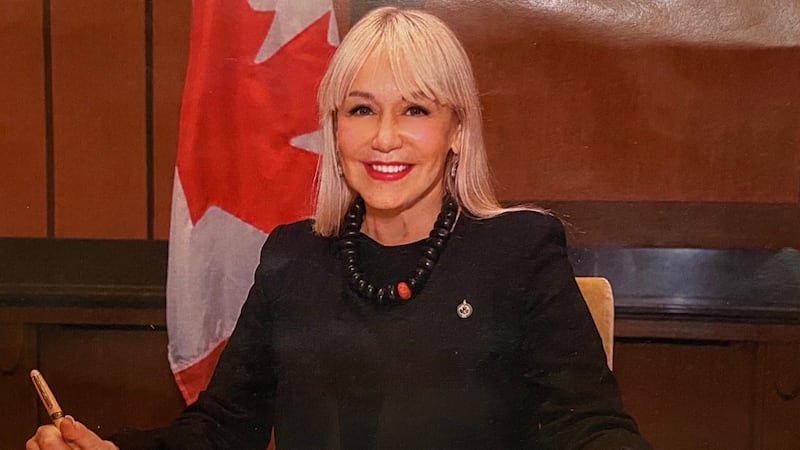
The interview also highlighted Zann’s work outside of acting, including her time in Canadian politics and her efforts to bring attention to environmental racism. It was a reminder that her sense of justice is not limited to the roles she plays. She has spent years working on real-world issues, and that gives even more weight to the way she talks about Rogue as someone who fights for others.
There was also room for lighter moments. Zann shared stories about her memoir, her love of mythology, her interest in playing larger-than-life characters, and her excitement about upcoming creative work. She mentioned music on the way, film development tied to her book, and an animated series based on her father’s children’s books. Even in a conversation filled with reflection, there was still a sense of momentum. Zann does not sound like someone looking backward. She sounds like someone still building.
That may be what makes the interview work so well. It is obviously a conversation about X-Men, Rogue, and fandom, but it is also about endurance. Zann talked about career challenges, personal growth, activism, and the responsibility that comes with being part of a character who means so much to people. Through all of it, she came across as funny, grounded, sharp, and fully aware of the impact her work has had.
For longtime X-Men fans, the interview is a strong reminder of why Rogue has lasted. For anyone less familiar with Zann, it is also a great introduction to the person behind one of animation’s most enduring performances. She understands the character, respects the fans, and still brings something real to every conversation about what Rogue stands for. That is a big reason her version of Rogue still feels definitive.


 gfpods.com
Leave a comment