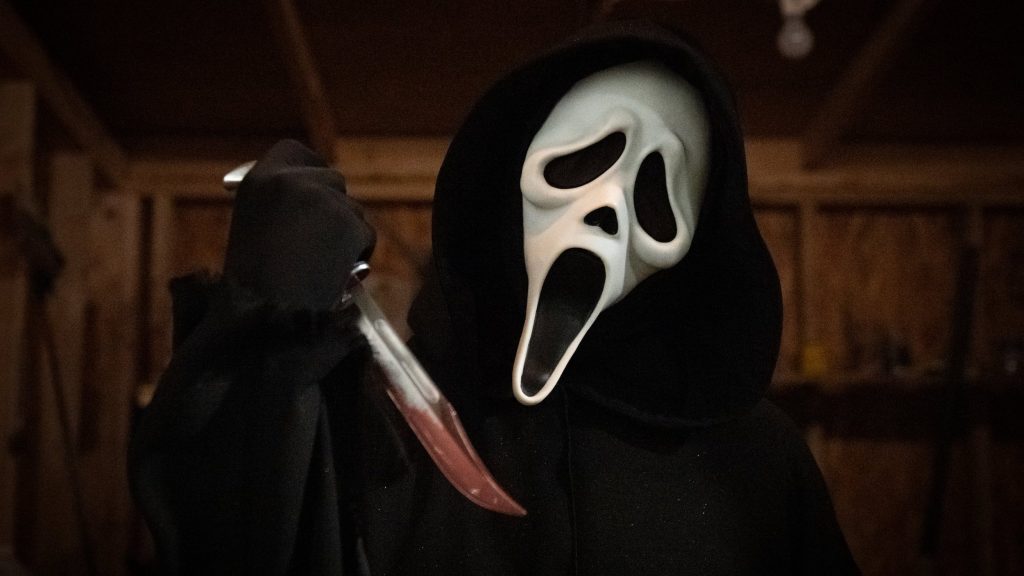
On a recent episode of Fandom Portals, the conversation around Scream hit on something that explains why the franchise has lasted so long. Scream is not just a slasher series. It is a series that keeps adapting to the era it is in while still honoring the horror eras that came before it.
That is a rare thing in horror.
A lot of franchises are tied to one specific time and tone. They can still be great, but they usually feel locked to the style that made them famous. Scream is different. It was built to evolve. From the beginning, it understood horror history and used that knowledge as part of the story.
When the original Scream arrived in the 1990s, slashers were already legendary but also familiar. Audiences knew the patterns. They knew the “rules.” Instead of pretending people had never seen a horror movie before, Scream leaned into that. It let characters talk about horror while they were trapped inside one. That self-awareness made it feel fresh, but it still worked as a real slasher with real tension.
The movie is clever, but it never forgets to be scary. It knows the genre, but it does not talk down to it. It plays with audience expectations, then punishes you for feeling comfortable. That made the first film stand out, and it set up the entire franchise to keep doing the same thing in new ways.
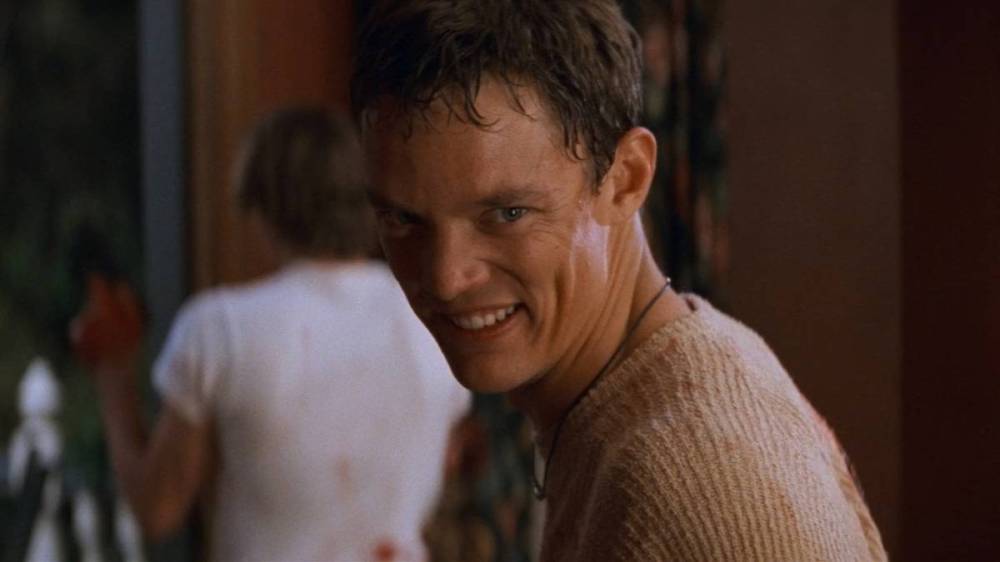
Another reason Scream spans so many eras is that it reflects the culture around horror, not just horror itself. The earlier films tap into media panic, public fear, and the way violence gets discussed and sensationalized. As the series continues, that commentary shifts with the times. The franchise starts tracking things like internet culture, fandom behavior, reboot obsession, and the way people turn tragedy into content. That gives Scream a built-in way to stay current. It is always asking what horror looks like now, and what people are doing with it now.
Ghostface is not one immortal killer with a fixed mythology. Ghostface is a costume, a voice, and an idea. Different people can wear the mask, which means every movie can explore a different motive while keeping the same iconic image. That flexibility is huge. It lets Scream be a slasher, a mystery, and a commentary all at once.
Sometimes the motive is revenge. Sometimes it is fame. Sometimes it is an obsession. Sometimes it is the desire to control the story itself. The franchise keeps changing the motive because the culture keeps changing, and that keeps the movies from feeling stale.

Franchises can shift tone and still survive, but they usually need a character who gives everything weight. For Scream, that is Sidney. She begins as a classic final girl, but she grows into something more layered and active as the movies go on. She is not only surviving attacks. She is surviving media attention, grief, manipulation, and the way her trauma keeps getting repackaged by other people.
That arc gives Scream something a lot of slashers never fully develop, which is emotional continuity.
You can watch the franchise as a fun horror series, but you can also watch it as the story of a woman navigating multiple generations of violence and spectacle. Sidney changes, and the world around her changes, but the movies never lose sight of her humanity. That is a big reason the series still lands.
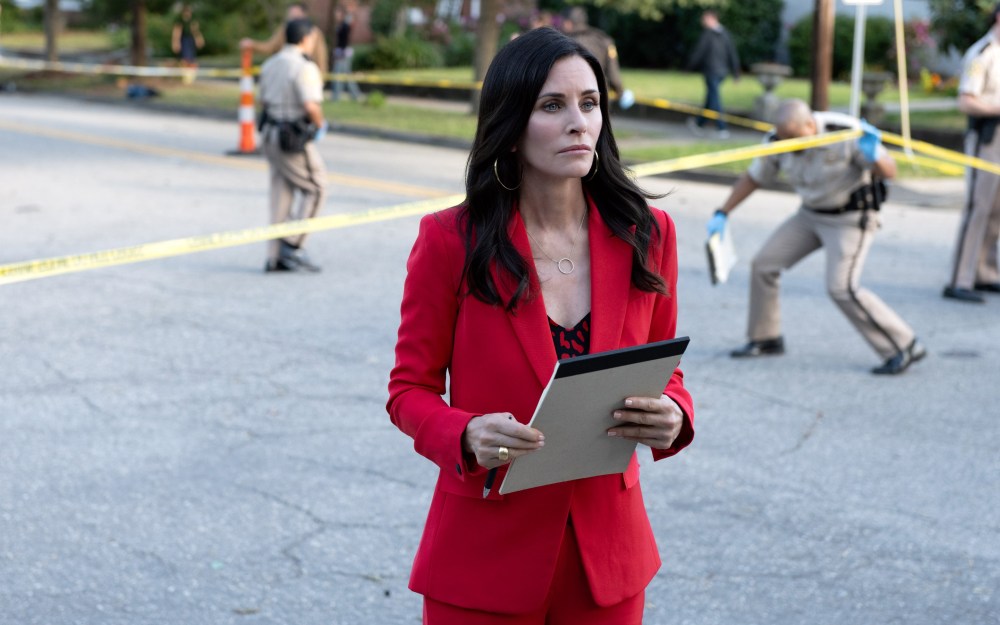
Gale Weathers also plays a huge part in that long-running commentary.
Her role as a reporter, author, and media figure turns Scream into a franchise about storytelling itself. The films are constantly asking who gets to shape the narrative after something awful happens. Who profits from it. Who retells it. Who distorts it. That idea becomes one of the smartest recurring themes in the series, especially once the in-universe Stab franchise starts mirroring and warping the “real” events.
It is a slasher franchise, yes, but it is also one of the most adaptable horror series ever made. It can talk to fans of classic slashers, 90s horror, postmodern horror, and modern franchise culture without losing its identity. Every new era gives it something new to respond to, and Scream keeps finding a way to respond.
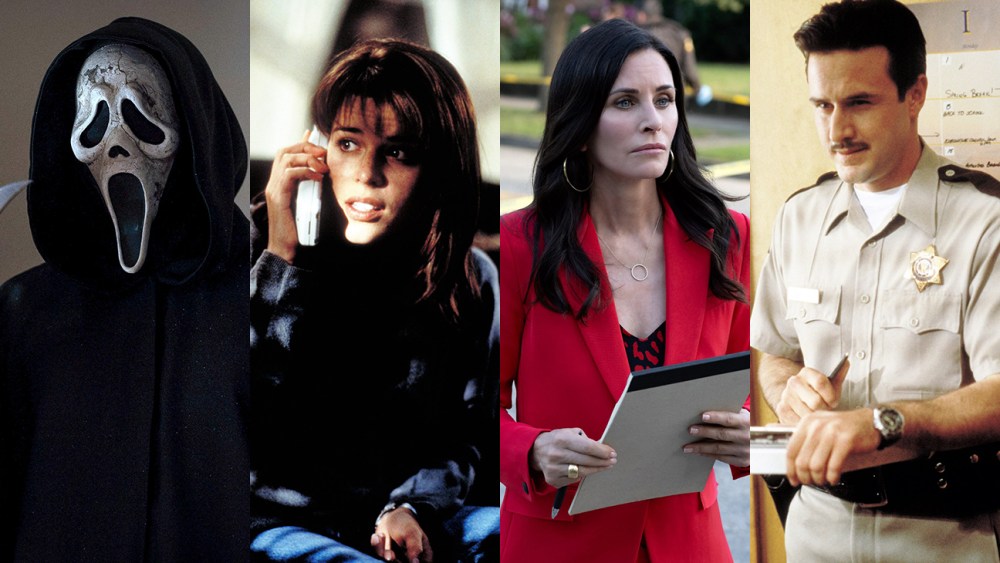
The best horror reflects the fears of its time. Scream does that while also reflecting the way horror itself changes. It knows the old rules, rewrites them when needed, and keeps asking why we are still drawn to these stories in the first place.
That is part of what made the Fandom Portals podcast conversation so fun to listen to. It was not just a celebration of a popular franchise. It was a reminder that Scream has lasted because it understands horror as an ongoing conversation, and it has stayed part of that conversation for decades.



 gfpods.com
Leave a comment