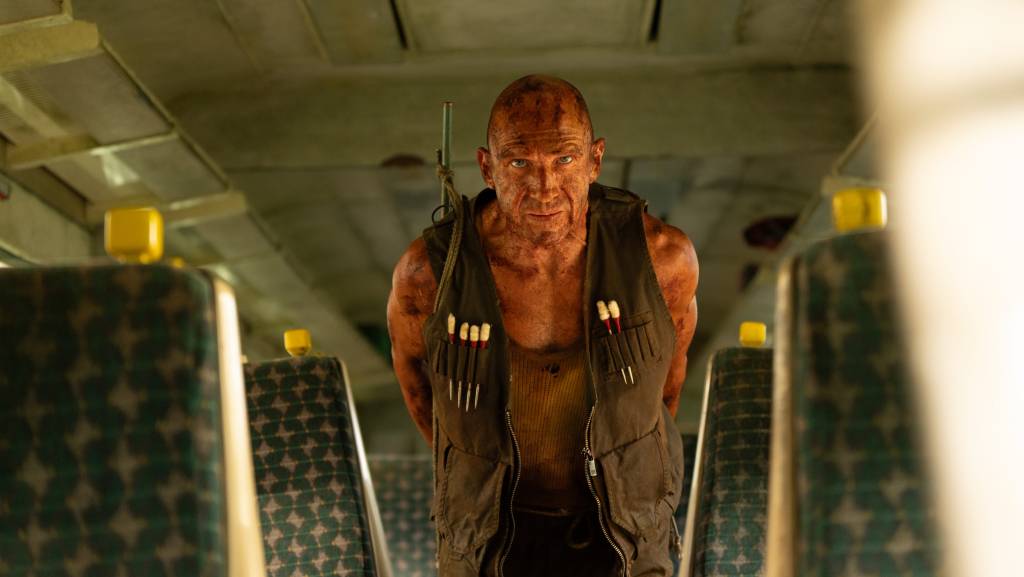
28 Years Later: The Bone Temple is the kind of sequel that does not play it safe. It is nastier, stranger, and more psychologically tense than you might expect, but it still understands what makes this series hit: speed, panic, and the creeping feeling that people can be scarier than the infected.
Director Nia DaCosta brings a distinct voice to the franchise, and that shift is the big win here. This is not just “more Rage Virus chaos.” It is a movie that leans hard into dread and ritual, with a grim sense of humor bubbling up at the worst possible moments. If you liked 28 Years Later but wanted the world to feel even more unpredictable, The Bone Temple delivers.
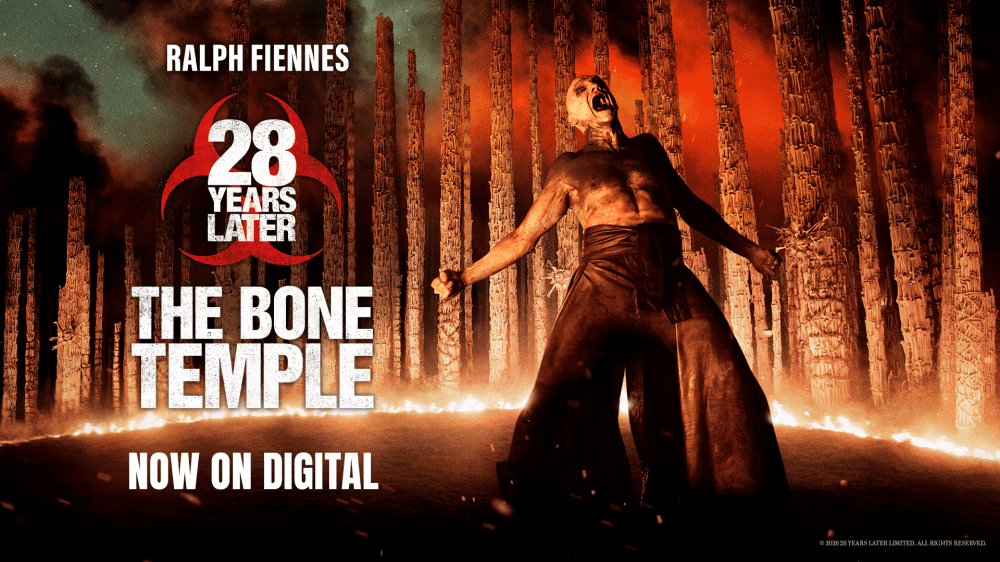
It Picks Up Fast, and It Does Not Hold Your Hand
This is a direct continuation of 28 Years Later, and it moves like it assumes you are already running. The story follows Spike (Alfie Williams) as his path collides with Jimmy Crystal (Jack O’Connell), while Dr. Kelson (Ralph Fiennes) is chasing a discovery that could change everything. That is basically all you should know going in, and the movie is better the less you try to map it out in advance.
A quick heads-up for casual viewers: you can watch this without rewatching the whole franchise, but you will enjoy it more if 28 Years Later is still fresh in your mind. This one is built like the middle chapter of a larger story, which means it is focused, purposeful, and always pushing forward, even when it pauses to let the atmosphere crawl under your skin.
The Big Idea: Survivors Are Becoming Their Own Monsters
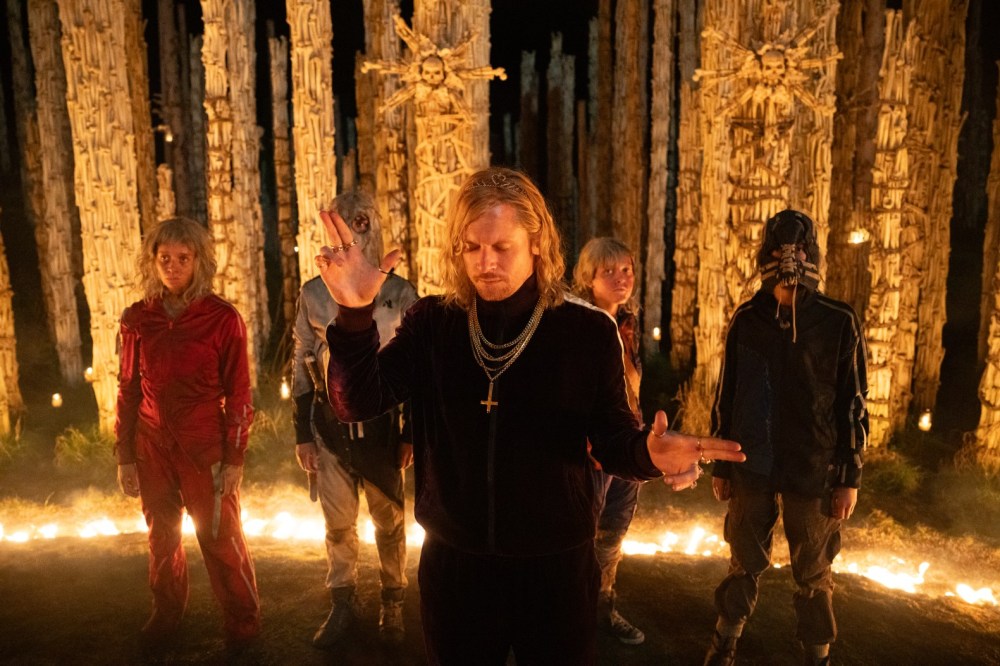
The best thing The Bone Temple does is widen the franchise’s horror lens. The infected are still terrifying, but the movie is even more interested in what survival has done to the people left behind. It keeps returning to the same ugly truth: when the rules of society collapse long enough, cruelty starts to look like a culture.
That theme comes through in its factions and power structures, and it gives the film a sharper bite than a straight “run and scream” sequel. It is not preachy. It is just committed to making the world feel warped in ways that go beyond blood and teeth.
Performances That Match the Movie’s Wild Energy
The casting is doing real work here.
Alfie Williams carries the movie with a grounded, human performance that keeps the chaos from turning into noise. Spike reads as capable, but still young enough that every new horror feels like it costs him something. That emotional through-line matters, especially in a sequel that could have easily gone full spectacle.
Jack O’Connell is an absolute problem in the best way. Jimmy Crystal is magnetic, threatening, and just unpredictable enough that every scene around him feels unstable. He is the kind of antagonist you cannot relax around, even when he is smiling.
And then there is Ralph Fiennes, who brings seriousness and weight without draining the movie’s momentum. Dr. Kelson could have been a “smart guy in a horror movie” cliché, but Fiennes plays him like someone who has stared at the end of the world for so long that his priorities have shifted into something almost unrecognizable.
Erin Kellyman also gets strong moments that add texture to the survivor dynamic, and the film is better whenever it slows down enough to let those relationships breathe.
Direction and Craft: Brutal, Precise, and Weirdly Beautiful
DaCosta’s direction is confident, and the movie benefits from her willingness to go off-center. There are sequences that feel like folk horror crashed into a post-apocalypse, and the contrast works because the film commits to it.
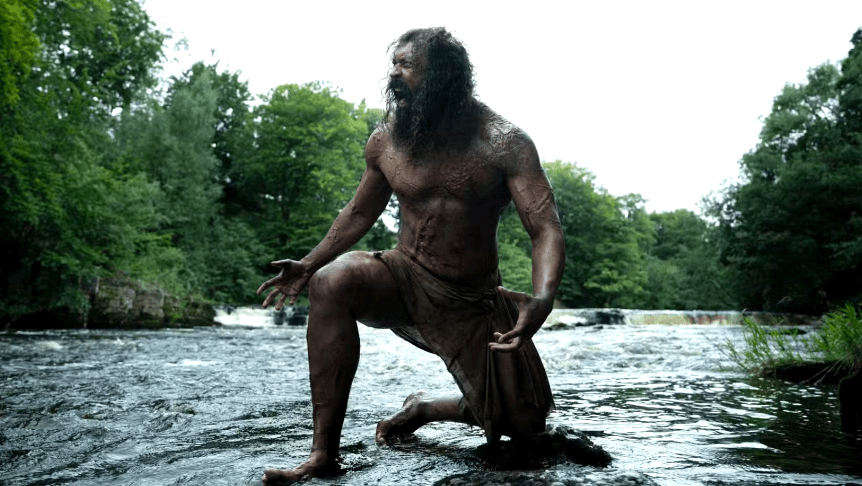
Visually, it is harsh but controlled. The camera does not glamorize the violence, but it also does not shy away from unsettling imagery that sticks with you. The title location is a prime example: it is not just a set piece, it is a symbol, and the movie uses it to underline what this world has become. Even when you are bracing for the next burst of terror, the film keeps finding images that feel grimly iconic.
The pacing also deserves credit. At around 109 minutes, it stays lean and mean, and it rarely wastes a scene. It is intense, but it is not exhausting in that sloppy, overlong way some sequels fall into.
A Horror Sequel With Actual Mood
A lot of modern horror sequels chase bigger lore or bigger action. The Bone Temple does build the world, but it does it through mood first. The sound design and score lean into unease, not just jump scares, and the movie understands the value of a quiet stretch where you can hear the world breathing wrong.
And yes, it is still brutal. If you are squeamish, be warned: this is not a gentle entry. But the violence usually has a point, and the movie is more interested in tension and dread than gore for gore’s sake.
Who This Is For
This one is going to click hardest for:
- People who liked 28 Years Later and want a sequel that takes creative swings instead of repeating the same beats
- Horror fans who enjoy cult menace, moral rot, and a story that feels unsteady in a deliberate way
- Anyone who wants a franchise sequel that actually feels directed, not assembled
If you are mainly here for constant infected action, you will still get intensity, but the movie’s real hook is the way it turns survival into something ritualistic and warped.
Closing Thoughts
28 Years Later: The Bone Temple is a strong follow-up that earns its place by being bold. It respects the franchise’s identity, then twists it into something more deranged and more thematic, with great work from Williams, O’Connell, and Fiennes holding it together. It is ugly, tense, and often genuinely unsettling, but it is also the rare sequel that feels like it has something new to say, not just a bigger body count.


 gfpods.com
Leave a comment