
Sarah Bond Exits, Matt Booty Elevated as Microsoft Promises Studio Stability
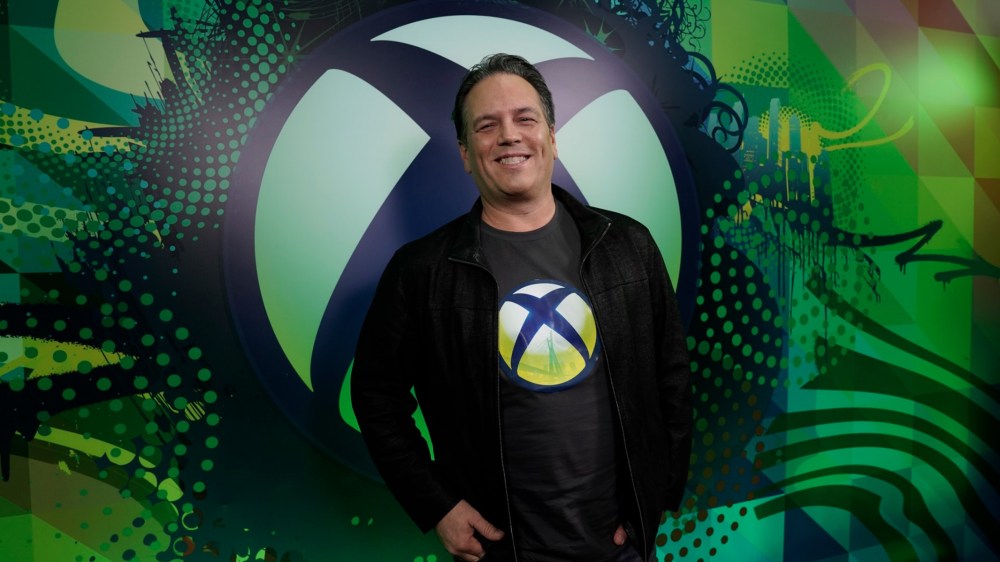
Microsoft is making its biggest Xbox leadership change in more than a decade. Phil Spencer is retiring after 38 years at the company, and Asha Sharma has been named Executive Vice President and CEO of Microsoft Gaming, reporting directly to Microsoft CEO Satya Nadella. The transition also includes the departure of Xbox president Sarah Bond, while longtime Xbox content leader Matt Booty moves into an expanded role as EVP and Chief Content Officer.
Spencer told employees he first raised the idea of stepping back with Nadella last fall, and that Microsoft has been planning the handoff with “intention” to keep the organization steady. Microsoft says Spencer will remain in an advisory capacity through the summer to support the transition.

What’s Changing (And What Microsoft Says Isn’t)
Sharma now sits at the top of Microsoft Gaming, the umbrella that spans Xbox, its publishing and platform teams, and Microsoft’s massive studio portfolio following acquisitions like ZeniMax and Activision Blizzard. Nadella framed the move as part of Microsoft’s broader “consumer ambition,” leaning on Sharma’s background in scaling large consumer platforms and ecosystems.
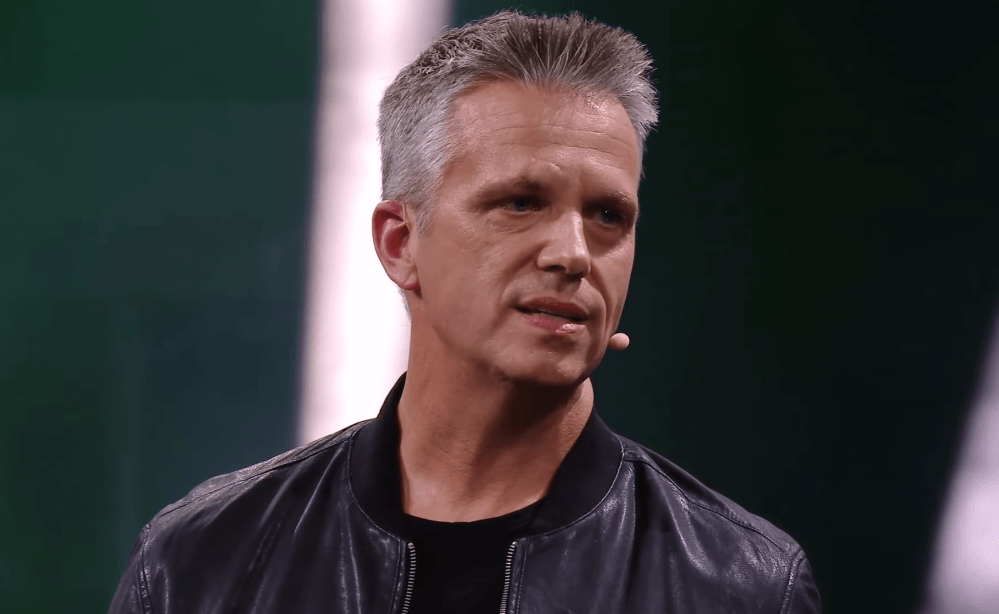
Matt Booty, previously president of game content and studios, becomes EVP and Chief Content Officer, with oversight that effectively consolidates the company’s content pipeline under one executive. In his note to staff, Booty explicitly said there are “no organizational changes underway for our studios,” a line that reads like Microsoft anticipating fears of another round of restructuring.
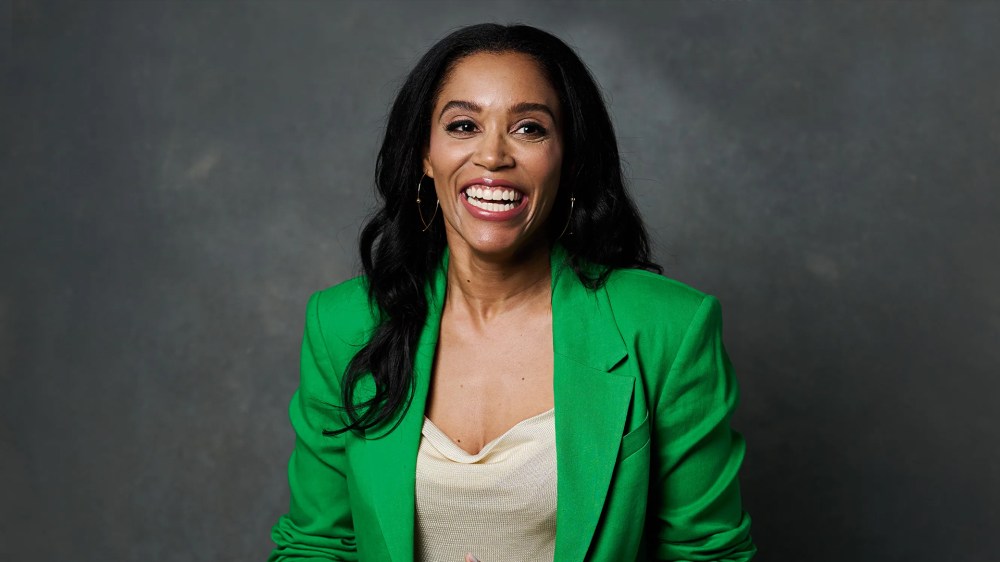
Sarah Bond’s exit is the other headline inside the headline. Spencer credited her with shaping platform strategy, expanding Game Pass and cloud gaming, and helping guide major hardware launches and “some of the most significant moments” in Xbox history. Microsoft has not yet announced who will assume Bond’s responsibilities on the platform and hardware side.
Who Is Asha Sharma, and What’s Her Early Message?
Sharma is coming from Microsoft’s CoreAI product organization, and her resume is notably more “platform and operations” than “games industry lifer.” Microsoft highlighted her time as Instacart’s chief operating officer and a vice president at Meta, positioning her as the executive to connect product, business model, and global scale.
Her first message to employees is a clear attempt to reassure Xbox fans who worry the brand could drift even further from the console business. Sharma wrote about recommitting to core Xbox players, calling for “the return of Xbox,” and stressed that as gaming expands across PC, mobile, and cloud, Xbox should feel seamless across devices. She also took a sharp stance against flooding the ecosystem with “soulless AI slop,” drawing a line between using new tech and treating games like disposable output.

Why This Move Matters Right Now
This leadership change lands at a tense moment for Xbox. The division has been balancing big-picture growth goals with tough realities: shifting content strategies, pressure on hardware economics, and a player base that wants clarity on what “Xbox” even means in a multiplatform era. Reuters also pointed to cost pressures and recent price rises as part of the broader business backdrop around the transition.
It’s also not happening in a vacuum. Xbox has already been adjusting its executive lineup heading into 2026, including a financial leadership reshuffle that moves Tim Stuart into a ZeniMax COO role and installs Xavier Pokorzynsk as CFO of Microsoft Gaming. Put together, it looks less like a single departure and more like Microsoft tightening the org chart ahead of whatever the next Xbox chapter is meant to be.
What to Watch Next
In the short term, the big question is coverage: with Bond leaving, Microsoft will need to clarify who owns the day-to-day Xbox platform, hardware roadmap, and partner strategy. Sharma’s early language suggests a renewed emphasis on console identity, but how that translates into product decisions, release strategy, and hardware investment is the real test.
For fans, the most immediate signal is Microsoft’s “no studio org changes” reassurance. That statement does not promise there will be no changes later, but it does suggest Microsoft wants this moment to read as a controlled transition, not a reset button.









 gfpods.com
Leave a comment