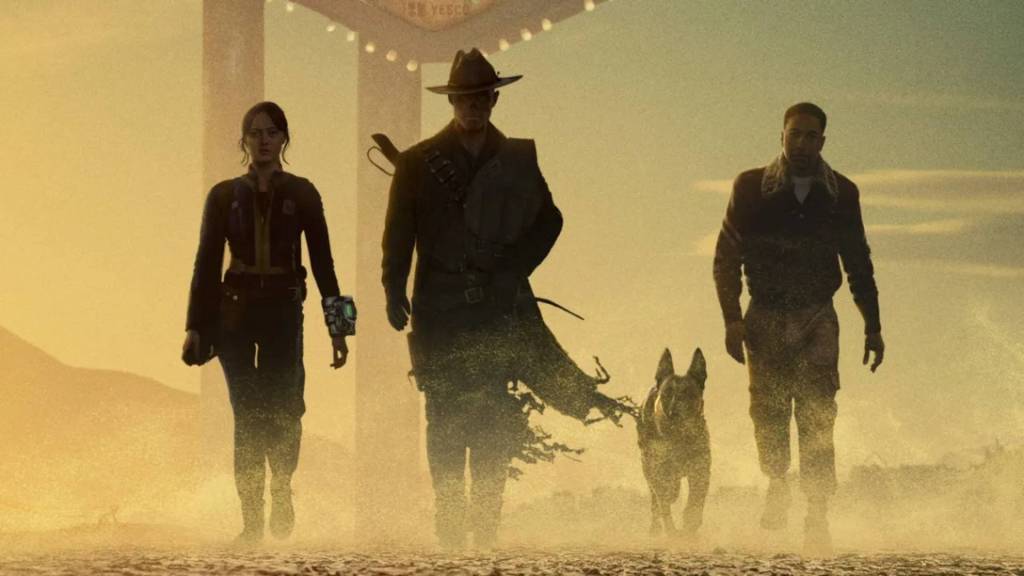
Season 1 of Fallout worked because it felt like the cleanest possible entry point. It was a character-forward trek through a brutally funny wasteland, and the show always knew exactly whose story you were following and why.
Season 2 deliberately trades some of that tightness for scale. It brings in more of the factions and power games the franchise is known for, and it leans into Fallout as a world that is starting to organize itself again, for better and usually worse. If you’re a longtime player, that expansion feels like the show is finally pulling closer to the source material. If you came in through Season 1 and mostly wanted a sharp character journey, this season can feel looser, sometimes by design and sometimes because it simply has too many plates spinning.
That push-and-pull is basically the story of the season.
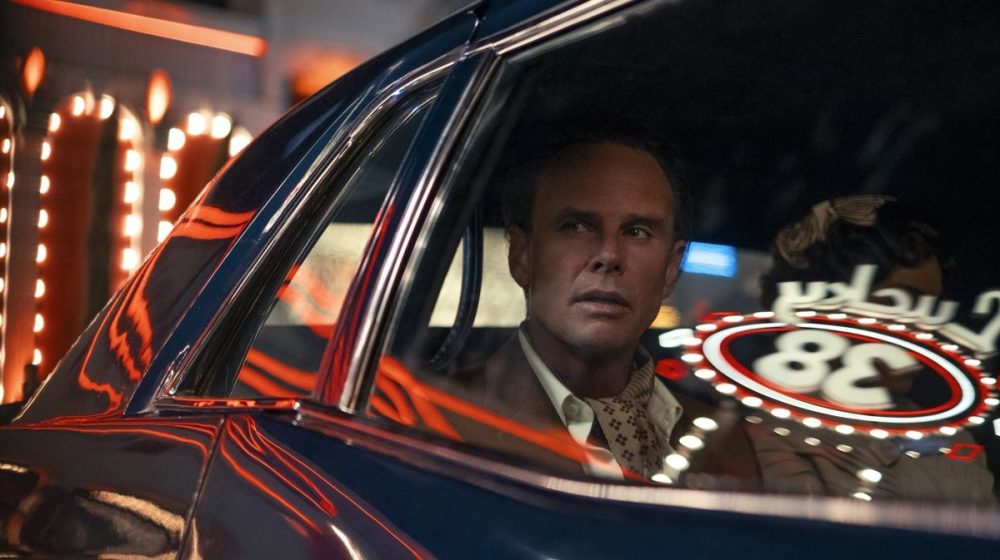
The smartest decision Season 2 makes is turning Walton Goggins’s Ghoul into the engine of the whole thing. In Season 1, he was the show’s chaos factor and the coolest presence on screen. This time, the writing gives him weight by making his past as Cooper Howard matter more and more, not just as flashback flavor, but as the reason the present-day story keeps moving. When the season starts getting crowded, his storyline is the one that still feels clean: he has a goal, a history that hurts, and a trail that keeps getting colder and more personal.
That choice pays off most in the back half, when the pre-war material stops being “here’s how the world was” and becomes “here’s why these people are still fighting about it 200 years later.” A lot of modern franchise TV treats lore like a checklist. This season, the lore is the wound.
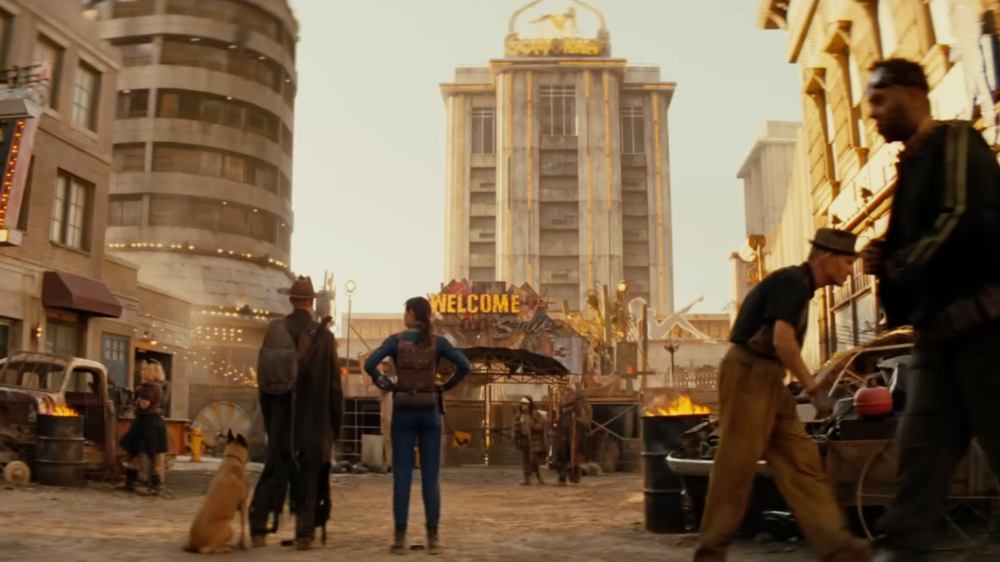
The other big swing is New Vegas. Moving the story into New Vegas is a great escalation because it changes the type of conflict the show can tell. The wasteland is still violent and chaotic, but Vegas adds structure: deals, territory, propaganda, factions posturing like they’re building civilization while still acting like raiders in nicer outfits. It’s a setting that naturally invites the political side of Fallout, and the season uses it to pull storylines into the same arena.
That’s also where the “looser than Season 1” feeling comes from. Once you commit to Vegas, you inherit the faction web. The season brings more of that in, including New California Republic, Caesar’s Legion, and Brotherhood of Steel, and it starts positioning them like the opening moves of a bigger war. It’s cool to see and feels Fallout-authentic, but it also means the season sometimes plays like a setup for what comes next instead of a tight story that fully resolves what it introduces.
That’s the season’s biggest problem: it expands fast. Sometimes it feels like it’s sprinting to establish the franchise’s larger board game rather than taking the time to let a smaller set of storylines hit with maximum emotional payoff. Even the finale has that “launchpad” energy. Huge reveals, major positioning, big promises, and then it steps back before the emotional catharsis can fully breathe.
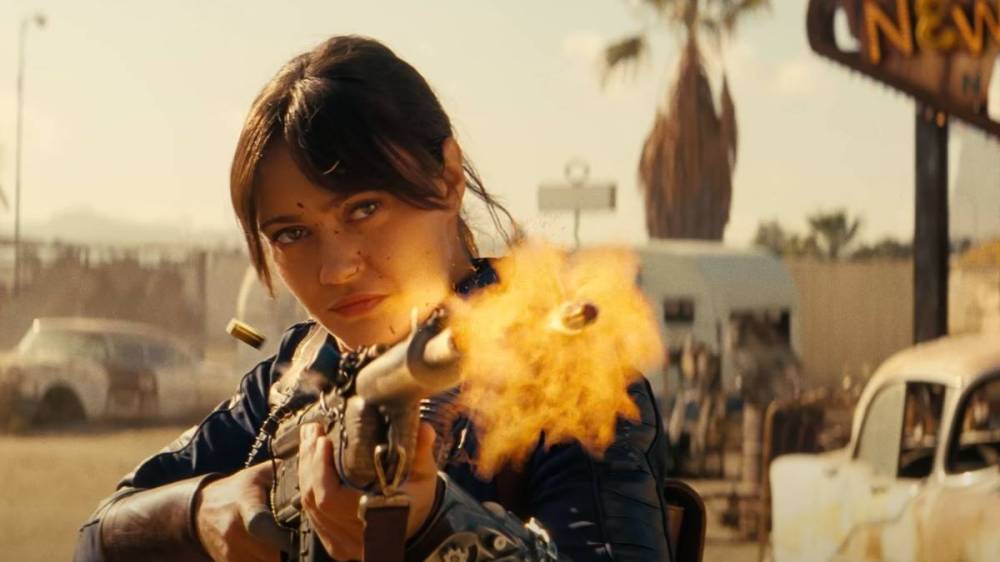
The Lucy and Hank thread is the clearest example. Ella Purnell continues to be great as Lucy because she plays the character’s core decency without making it naive. Season 2 pushes her into nastier moral corners, especially once she’s forced to face what her father has been doing and what he thinks he’s “saving” the world from. Kyle MacLachlan gives Hank that calm, persuasive menace that makes him more unsettling than a straightforward villain. His plan, and the way it reframes what “rebuilding” could mean in this world, is one of the season’s most disturbing ideas, and it’s handled like the kind of corporate-brain horror Fallout does best.
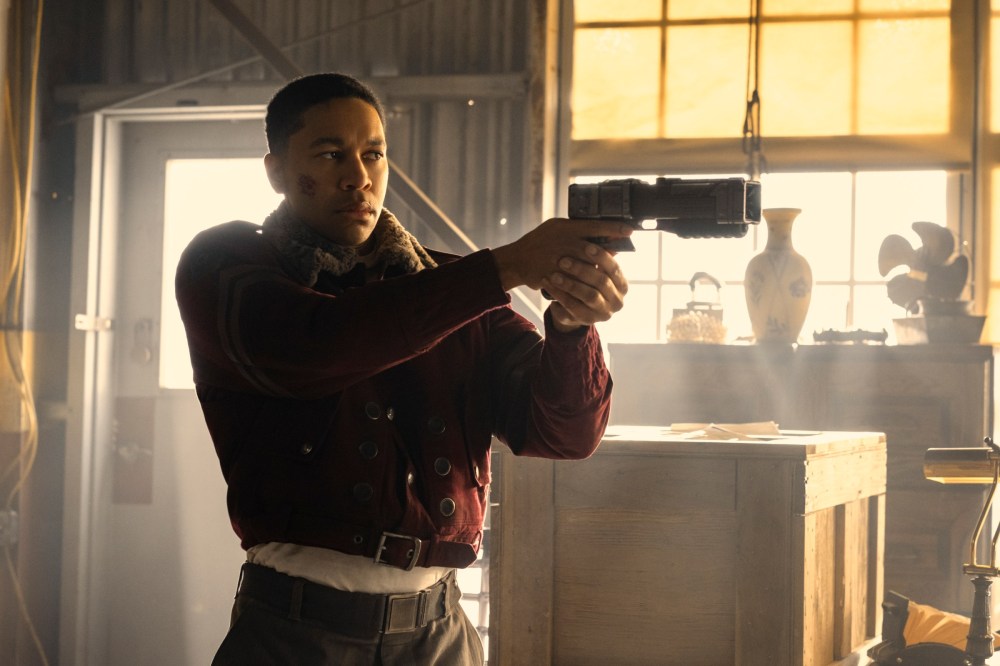
Meanwhile, Aaron Moten’s Maximus is still compelling because he’s basically the show’s walking question about institutions: what they give you, what they take from you, and how quickly “purpose” becomes control. The season keeps nudging the Brotherhood storyline toward something bigger, and the post-credits tease with Quintus receiving blueprints makes it very clear the next chapter is going to get louder and more militarized.
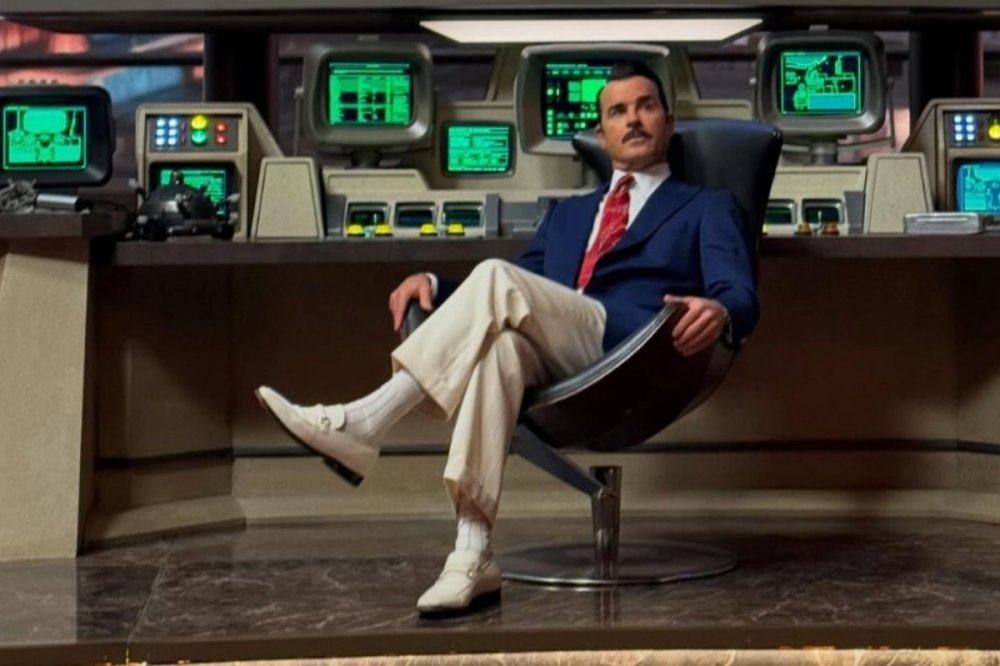
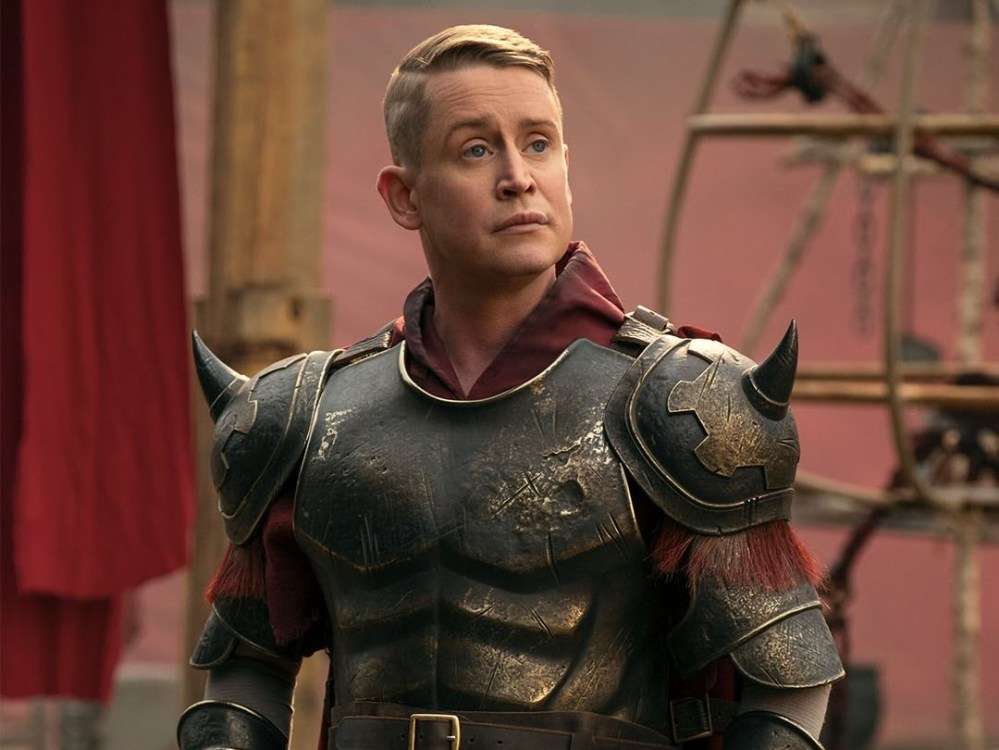
Season 2 also benefits from the new faces. Justin Theroux showing up as Robert House is a big “oh, we’re doing this” moment, not just because it’s a recognizable character, but because it shifts the show from wasteland survival to wasteland infrastructure. Vegas is powerful because it can be powered. That’s a different flavor of threat, and it makes the world feel bigger in a way that isn’t just more guns and bigger monsters. And Macaulay Culkin as the Legion’s Lacerta Legate gives the season a wild-card antagonist energy that fits the show’s tone, especially once the finale positions him as a central force going forward. Kumail Nanjiani adds a fun jolt to the ensemble, too, even when the season is already packed.
The ending choices are very “Fallout,” in the sense that they give you answers while also making the underlying conspiracy feel deeper. The Ghoul’s discovery that the cryo story isn’t what he hoped it was, followed by the Colorado breadcrumb, is the kind of cruel hope Fallout loves: not a reunion, but a reason to keep walking. The Steph “Phase 2” beat, tied to Enclave involvement, is another clear signal the series is building toward a wider conflict that goes beyond Vegas.
Season 2 is messier than Season 1, but it’s also more confidently Fallout. It’s the season that stops being an introduction and starts being a franchise, for better and worse. If Season 3 pays off the chessboard this season, Season 2 is going to look even stronger in hindsight, because the foundation it’s laying is genuinely exciting. If you wanted a tight, focused season with a clean emotional landing, you’ll feel the “setup season” itch. But as a step deeper into the factions, the politics, and the long shadow of the old world, it absolutely gets where it needs to go, and it does it with some killer performances along the way.



 gfpods.com
Leave a comment