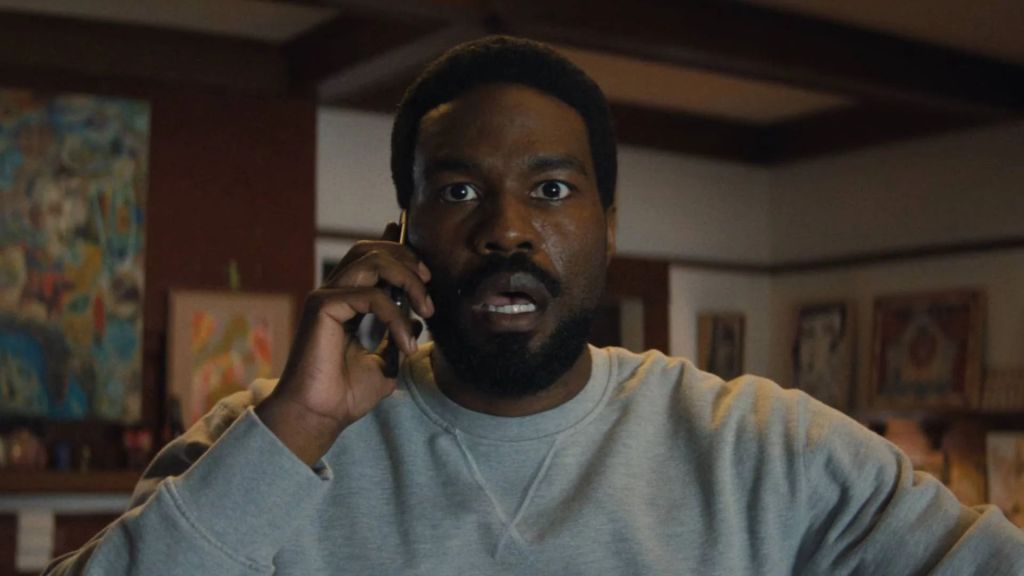
Spoilers for the entire season ahead.
There’s a very specific kind of Marvel fatigue that sets in when you can feel the plot machinery turning. The multiverse alarms go off, the cameo slot gets filled, the next crossover gets teased, and somewhere along the way, the actual human story becomes the thing you keep waiting for.
Wonder Man is the rare MCU season that flips that equation. It starts with a guy who just wants to work. Not save the world. Not “embrace his destiny.” Just book the role, pay the bills, and prove to himself he belongs in the room. And because it commits to that simple, honest itch, it ends up feeling like a breath of fresh air, even when the show is doing the most Marvel thing imaginable: turning a struggling actor into a superpowered liability.
What surprised me most was how confidently it plays its own premise. This is a Hollywood story first, a superhero story second, and it never apologizes for that. The satire is sharp, but it’s not mean. The jokes land, but they never undercut the emotional spine. And by the time the season hits its final run, it’s not the “Wonder Man” movie-within-the-show that you care about most. It’s the friendship at the center of it.
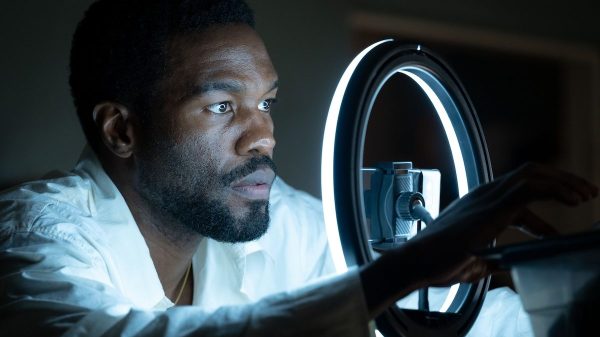
A Superhero Story About Auditions, Panic, and Trying Not to Blow Up Your Apartment
Simon Williams is introduced at a low point: fired, dumped, and running on that uniquely brutal combination of embarrassment and hope that only actors really understand. He’s not delusional, just stubborn. Then the show drops its best chess piece on the board: Trevor Slattery.
Bringing back Trevor could have been an easy nostalgia play, or a quick punchline cameo stretched into a season. Instead, Wonder Man makes him essential. Trevor is the guy who’s lived every version of the industry myth: the lucky break, the crash, the reinvention, the humiliation, the second chance. He’s also the guy who knows exactly how to talk to someone like Simon, because he recognizes that hunger immediately. The show treats that as something real, not something to mock.
The “movie” hook is clean: legendary director Von Kovak is remaking an in-universe Wonder Man film, and both Simon and Trevor chase roles in it. That setup alone could have carried a breezy, inside-baseball comedy. But the series adds a pressure cooker twist that turns every scene into a balancing act: Simon is hiding powers, and Hollywood has a legal ban on superpowered performers.
That last part sounds like a throwaway gag until the show makes it the foundation for the season’s tension. If Simon is discovered, he’s not just losing a job. He’s getting erased from the only life he’s been trying to build. That fear is what gives the season its pulse. It’s also what makes the quieter moments hit harder, because the show understands something basic: sometimes the scariest thing about power is how quickly it can take away the one normal thing you want.
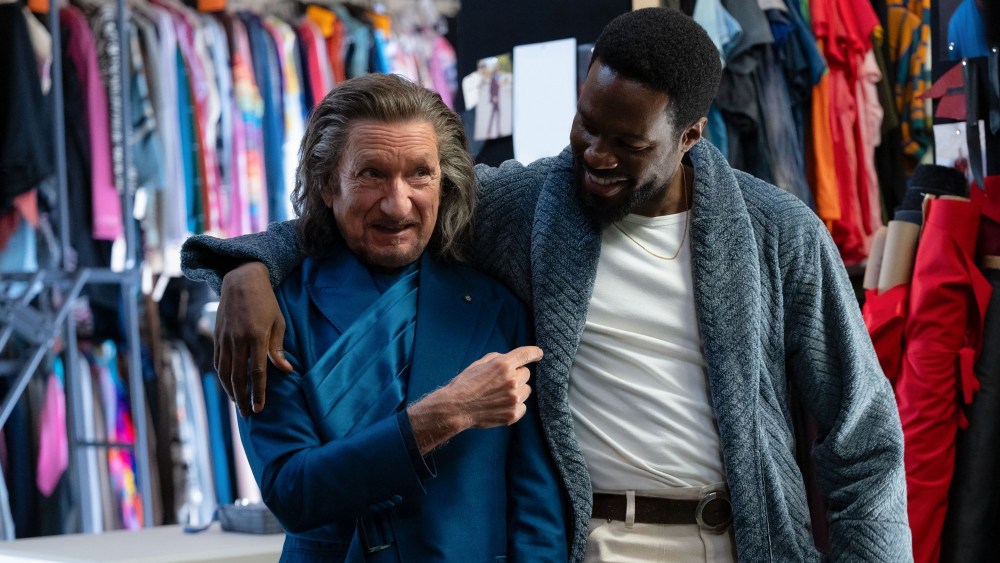
The Simon and Trevor Duo Is the Whole Meal
The chemistry between Yahya Abdul-Mateen II and Ben Kingsley is the season’s superpower.
Simon’s energy is coiled. He’s trying so hard to be “ready” that he can barely breathe. Trevor, on the other hand, is a walking mess of charm, nerves, and theatrical wisdom that might be profound or might be nonsense, depending on the day. Put them together, and you get a funny duo without turning into a sitcom, and tender without getting syrupy.
The show also earns its bond through repetition and time. They fail together. They sit in silence together. They have those small, awkward conversations that only happen when you’re stuck with someone long enough to stop performing. And because the season drops all eight episodes at once, you feel the relationship deepen almost in real time, like a long night where everything gets too honest by 3 a.m.
There’s one moment in the later stretch where Trevor guides Simon through a breathing exercise while Simon spirals, and it’s quietly one of the most believable “friend saves friend” scenes Marvel has done in ages. Just an older guy who knows what a panic storm looks like and refuses to leave.
And then the show does the cruelest possible thing: it turns that friendship into a trap.
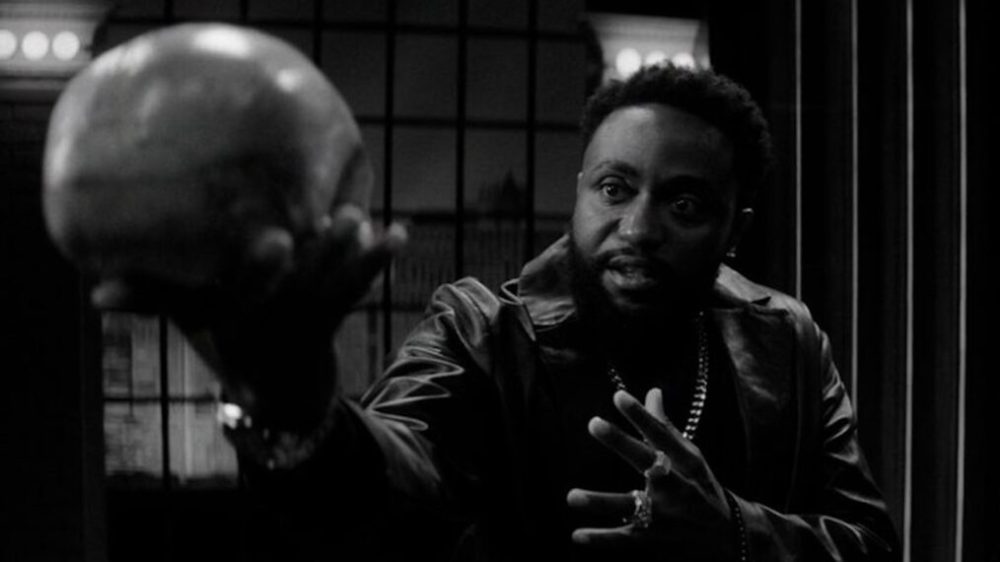
The Doorman Episode Is the Season’s Swing, and It Connects Everything
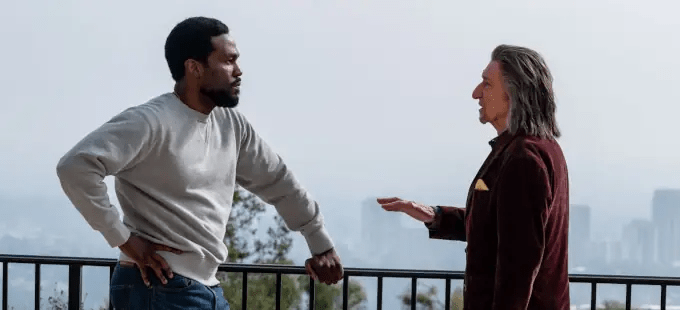
Episode 4, “Doorman,” is where Wonder Man announces it’s not playing safe.
Instead of pushing the main plot forward, the season pauses for a black-and-white standalone that feels like its own short film. It follows DeMarr Davis, a club doorman who discovers he can phase people and objects through himself into a strange dimension. A fire turns him into a viral hero. Fame follows. Hollywood follows. Josh Gad shows up playing an exaggerated version of himself, and the whole story becomes this bleakly funny spiral about how quickly the industry turns a person into a “useful” gimmick.
DeMarr’s rise is intoxicating, then ugly, then tragic. He’s cast in a hit movie because of what his powers can do, not who he is. He becomes a celebrity because he’s a spectacle. And when he loses control on set, Gad gets pulled into that other dimension and can’t get out. The consequence is devastating in-world, but the show treats it like a business problem. Studios lobby. Insurance panics. And the “Doorman Clause” becomes law, permanently banning superpowered people from acting in film and television.
By the time the episode ends and Simon watches the announcement in despair, the season’s stakes tighten. Not because the world might end, but because Simon’s dream might.
The Middle Stretch Gets Loose in the Best Way
A lot of MCU seasons either sprint or stall. Wonder Man does something riskier. It breathes.
The pacing has a real ebb and flow. The show lets scenes sit in the low moments, and it doesn’t rush to crack a joke the second something gets heavy. Then, when it hits the highs, it leans into them hard enough that you feel a little drunk on the momentum.
That structure pays off most in Episodes 5 and 6, where everything turns into a chaotic overnight odyssey.
“Found Footage” starts with a celebration turning into anxiety. Simon and Trevor are riding the high of a callback, but the night spirals when Trevor’s past catches up with him in the form of a drug dealer he owes money to. Simon has to use his powers in public to survive, and the whole disaster gets recorded on a GoPro. The episode becomes a funny, stressful chase with a surprisingly grounded moral core, because the kid holding the footage is not a villain. He’s just a kid with leverage.
By the time Simon and Trevor end up at Von Kovak’s mansion for chemistry tests, they’re exhausted, paranoid, and emotionally raw. And that’s the point. Von Kovak’s improv exercises aren’t just actor games. They’re pressure tests. Trevor impresses because he’s lived through humiliation and stopped being afraid of it. Simon struggles because he’s still trying to control everything, including his own body, including the literal ionic energy he keeps barely containing.
Then the show gives you the payoff: when Simon and Trevor finally get paired together, it clicks so hard that Von Kovak casts them both. It’s one of those satisfying moments where the story reward feels earned, not handed out.
The Twist That Hurts Because It Makes Sense
The most effective betrayal in Wonder Man is also the most believable.
All season, the Department of Damage Control is circling. Agent P. Cleary isn’t portrayed like a cartoon villain. He’s bureaucracy with a badge, pressured to close a case, and smart enough to use the softest weapon available: a desperate actor with something to lose.
When journalist Kathy Friedman enters in Episode 7, the show turns the screws differently. Simon’s paranoia spikes, especially when he learns she’s already talked to his family. Then the show pulls a nice emotional swerve: his family speaks highly of him, which should be comforting, but it only makes Simon more uneasy because he can’t stop waiting for the other shoe to drop.
And it does, just not where he expects.
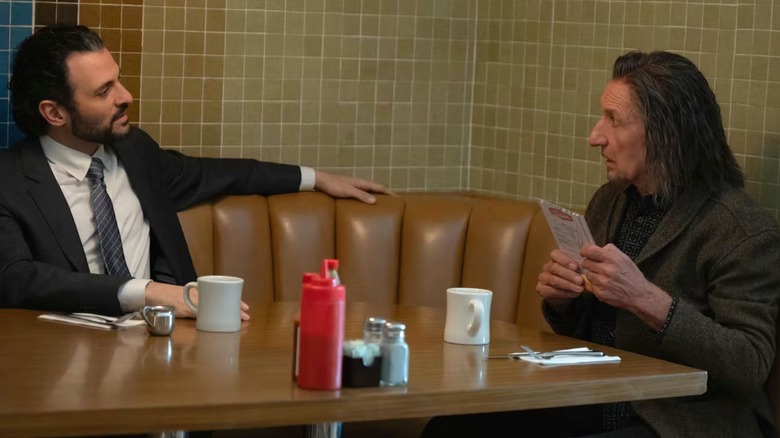
Kathy presses Trevor on how he got out of prison early. Trevor walks off. Simon confronts him. Trevor admits the truth: he cut a deal with the DODC to spy on Simon.
It’s devastating, and it lands because the show never pretends Trevor is a saint. Trevor is a survivor. He’s a man who has made bad choices, sometimes because he wanted approval, sometimes because he wanted comfort, and sometimes because he just didn’t want to lose what little he had left. You can hate what he did and still understand how he got there.
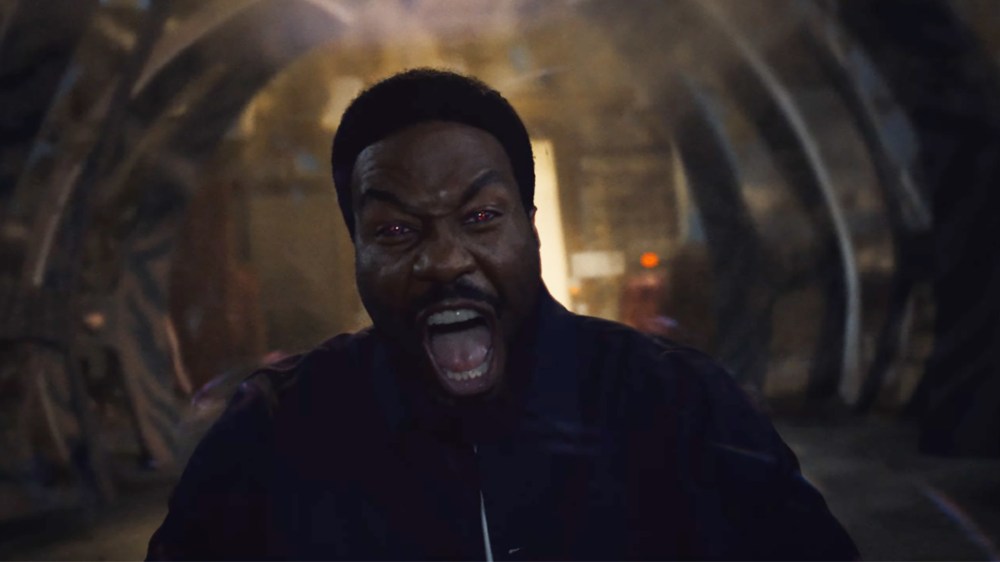
Simon, overwhelmed and betrayed, loses control. The explosion on set isn’t framed as a cool power moment. It’s framed as a panic attack with consequences, and that choice matters.
The Finale Pays Off the Relationship, Not Just the Plot
“Yucca Valley” could have gone full MCU chaos. Instead, it stays focused on the emotional cost of everything that happened, and it closes the season in a way that feels true to both men.
Simon runs. The DODC swarms. He watches the aftermath on the news like he’s watching someone else’s life burn down. He calls his mother, and for a moment, the show reminds you that beneath all the Hollywood weirdness, Simon is still just a guy who wants to be loved without conditions.
Trevor calls with a plan, and it’s the most Trevor thing imaginable.
He revives his Mandarin persona and takes the fall, lying to Cleary and the DODC that the Mandarin is his “real” identity. It’s absurd, but it’s also heartbreaking, because it’s Trevor choosing to sacrifice himself using the only weapon he’s ever fully trusted: performance. He’s not saving the world. He’s saving his friend.
Then the show delivers one of its sharpest industry jokes. The production rolls on without him. Joe Pantoliano steps in as Barnaby. The reboot becomes a success. Simon becomes a star. Janelle tells him to move on and decide what’s next, which is the kind of advice Hollywood gives right after it eats someone alive. But Simon doesn’t move on.
The final sequence is Simon shadowing a DODC guard under the guise of “research” for a new role, using the acting machine to get access to the prison holding Trevor. Cleary lays it out plainly: ionic energy was detected at the explosion site, and Simon could be useful. That’s the offer. Not redemption, not mentorship. Utility.
Simon responds by breaking Trevor out, and the season ends with the two of them flying away together.
It’s a simple ending, and it works because the season’s real promise isn’t “Watch Wonder Man become a huge superhero.” It’s “Watch these two men keep choosing each other in a world that keeps asking them to choose career over soul.”
Also, for anyone waiting for a big MCU button, the season reportedly does not include a post-credits scene, which honestly fits. The final shot is the tag. The relationship is the tease.
Why It Works as MCU Television
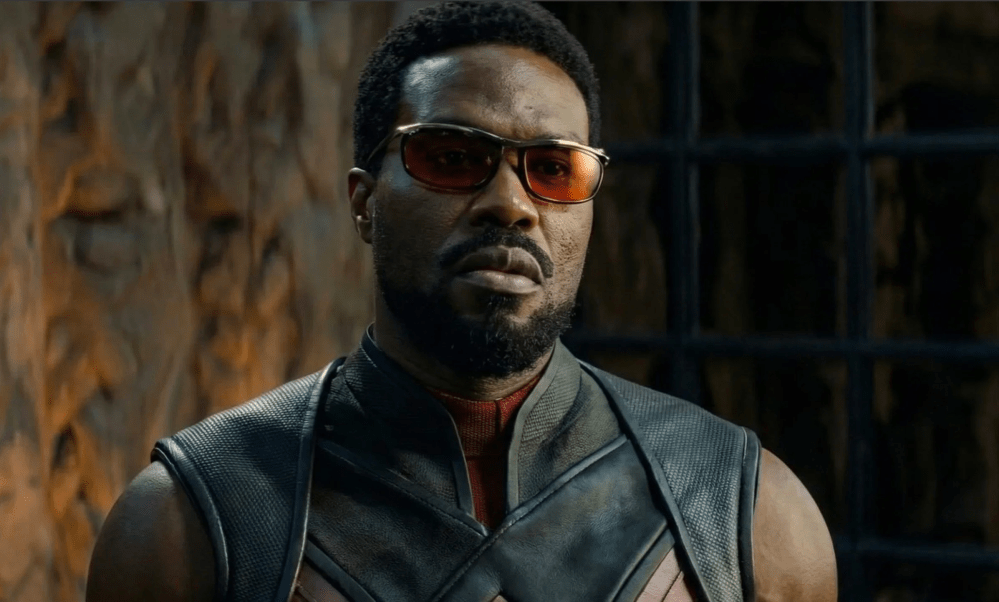
Wonder Man feels like Marvel remembering that not every story needs to be a delivery system for the next story.
Yes, the MCU texture is there. Damage Control matters. The fallout from the “Mandarin” lie still matters. The world feels connected without being crowded. But the show’s best instincts are smaller: let a conversation breathe, let an awkward silence stay awkward, let a joke land because it’s human, not because it references something.
And the acting really is the difference. Abdul-Mateen sells the pressure of being a working actor and a walking liability at the same time. Kingsley brings a ridiculous warmth to Trevor, and the show never forgets that warmth is part of what makes the character dangerous to himself. Even the supporting players feel purposeful, especially Janelle as the practical voice of the industry and Vivian as the person who sees Simon’s powers and, instead of recoiling, challenges him to stop hiding.
If Marvel does make more of this, I hope they keep the same mission statement. Stay weird. Stay character-first. Keep the world-ending stakes offscreen unless the story truly earns them. Let Simon and Trevor keep being that messy, lovable duo you want to spend more time with.
Because when Wonder Man is at its best, it’s not asking whether Simon Williams can be a superhero.
It’s asking whether he can survive becoming a star without losing himself, and whether the friend who helped him get there can make it out alive.







 gfpods.com
Leave a comment