
There’s a specific kind of disappointment that only fandom can create. You walk into a movie ready to love it. You’ve seen the trailers ten times. You’ve read every interview. Your group chat has already decided it’s either going to be “the one” or the end of cinema as we know it.
Then the credits roll and you feel… nothing. Or worse, you feel irritated. Not necessarily because the movie is bad, but because it didn’t match the version you built in your head.
On the latest Fandom Portals, Aaron put words to that feeling while reflecting on the 2025 movie year. He realized he’d been harsher on some films because he overhyped them, and now he’s going back to rewatch with a different mindset. Brash immediately related. That exchange nails something a lot of us don’t like admitting: sometimes the loudest thing in the theater is our own expectations.
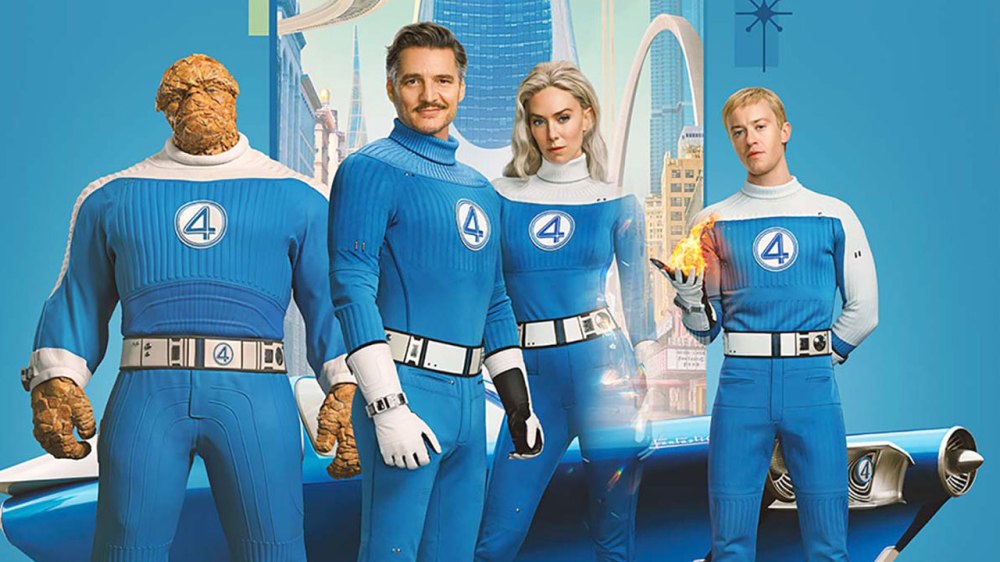
How Overhype Sneaks In
Overhype is rarely just “I’m excited.” It’s when excitement turns into a full imaginary movie that you’ve already screened in your brain. By the time the real film shows up, it’s competing against a fan-edited masterpiece that doesn’t exist.
It’s also easier than ever to fall into it. Trailer breakdowns train us to look for “the point” instead of the story. Social media turns early reactions into a scoreboard. Fandom debate pressures you to pick a side before you’ve even bought a ticket. Even harmless rumor culture can create a version of the movie that the filmmakers never promised.
Aaron mentions how stacked the year felt, especially around that big blockbuster stretch. When multiple event movies pile up, it becomes easy to treat each one like it has to be life-changing, not just good.
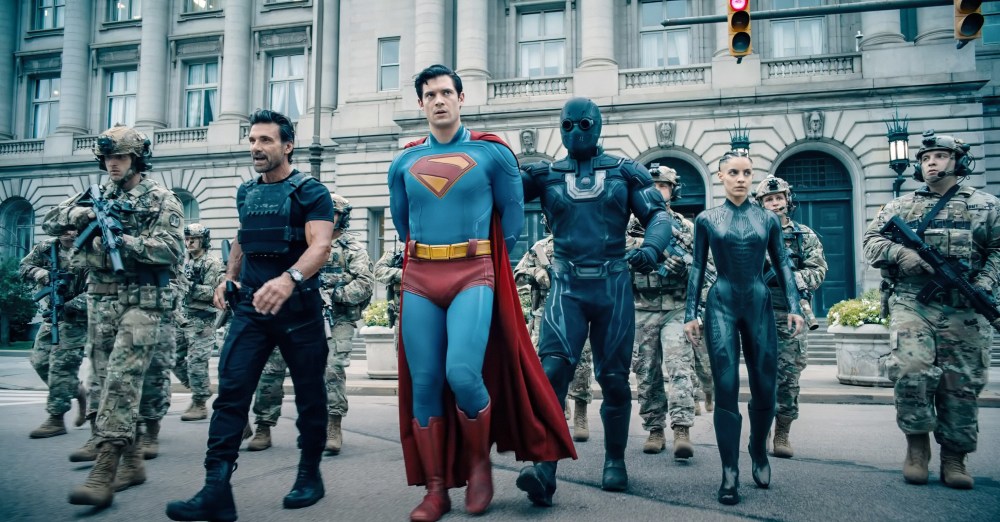
What Overhype Does to Your First Watch
Overhype doesn’t just make you more likely to be disappointed. It changes how you watch.
A first watch becomes a grading session. You’re tracking whether the movie lives up to the trailer, whether it sticks the landing, whether it’s better than the last one, whether it paid off the theory you saw online. That mindset can make you miss what the film is actually doing, especially if its strength isn’t surprise but theme, character, or mood.
This is why Aaron’s approach makes sense for a message-first show like Fandom Portals. Instead of obsessing over whether a movie “won,” he’s looking at what stuck with him emotionally after time passed. That’s a different measurement, and it’s often more honest.
Why Rewatches Can Hit Different
A rewatch isn’t a cheat code. A movie doesn’t become good because you tried again. But rewatches can give you a fairer read because they remove the pressure of expectation.
On a first watch, you’re carrying a suitcase full of outside noise. On a second watch, you already know what the movie is, so you can pay attention to what it’s trying to say. That’s especially true for character-driven stories, where the “plot surprise” isn’t the point, or for movies where the best stuff lives in quieter moments you weren’t ready to notice the first time.
Sometimes the theme was always there. You just weren’t watching for it. You were watching for the movie you wanted.
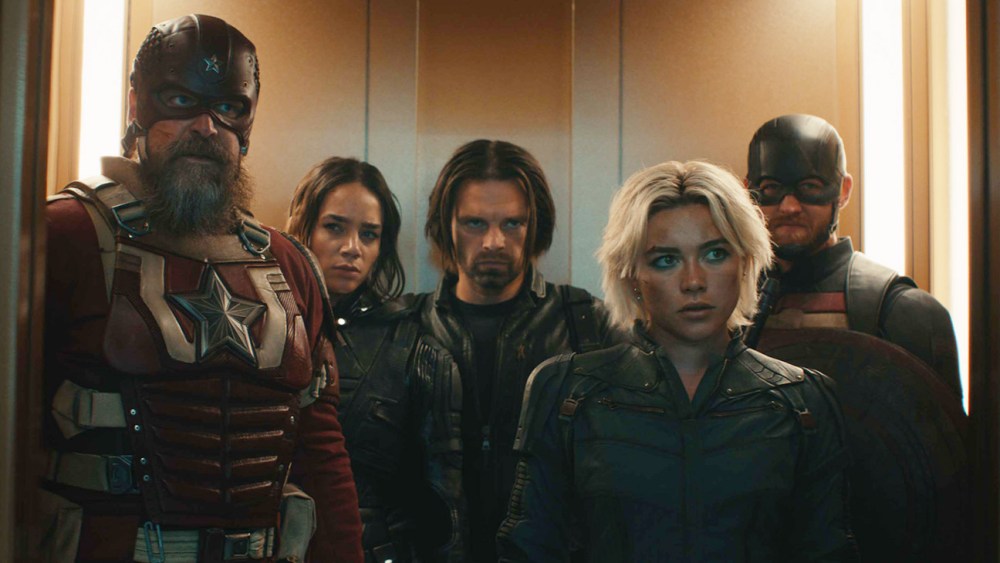
Signs You Might Have Judged a Movie Through Hype
You can usually tell when hype got in the way, because your reaction is less about what happened and more about what didn’t. If you walked out talking mainly about missing scenes, missing characters, or “wasted potential,” that’s often expectation talking. If your opinion improved after the discourse died down, that’s also a clue. If you enjoyed individual scenes but still felt compelled to declare the whole thing a failure without being able to explain why, hype might have tightened the lens too much.
None of that means you have to change your mind. It just means your first reaction might not have been purely about the film.
How to Rewatch Without Forcing Yourself to Like It
If you’re going to revisit a movie you bounced off, it helps to go in with a different goal. Not “prove the internet wrong,” and not “convince myself it’s good.” Just “see it clearly.”
One good trick is to track the film’s emotional center instead of its plot mechanics. Most movies are built around one core relationship or one internal struggle. If you watch for that on purpose, you’ll often understand why the film was made the way it was. Another approach is to treat it like a character study. Even if the story is messy, a character arc can still land. You can also focus on what resonated, even if it was small. A single scene can carry a movie for someone, and that’s not coping, that’s taste.
The biggest help is watching away from the hype environment. Not opening weekend, not while doomscrolling reactions, not while trying to keep up with memes. Just you and the movie.
Hype Is Fun, But It Isn’t Free
Hype is part of fandom, and it can be a blast. It makes releases feel like events, and it’s communal in a way that reminds you why people love this stuff in the first place.
The downside is that hype can turn into a contract the movie never signed. If you want better first watches, the goal isn’t to stop being excited. It’s learning how to keep excitement from turning into expectation debt. The more you can show up open to what the movie is, the more likely you are to actually feel something, even if it’s not what you predicted.
And if you already got burned, the rewatch can be your reset button. Not to rewrite history, but to separate the film from the noise that surrounded it.







 gfpods.com
Leave a comment