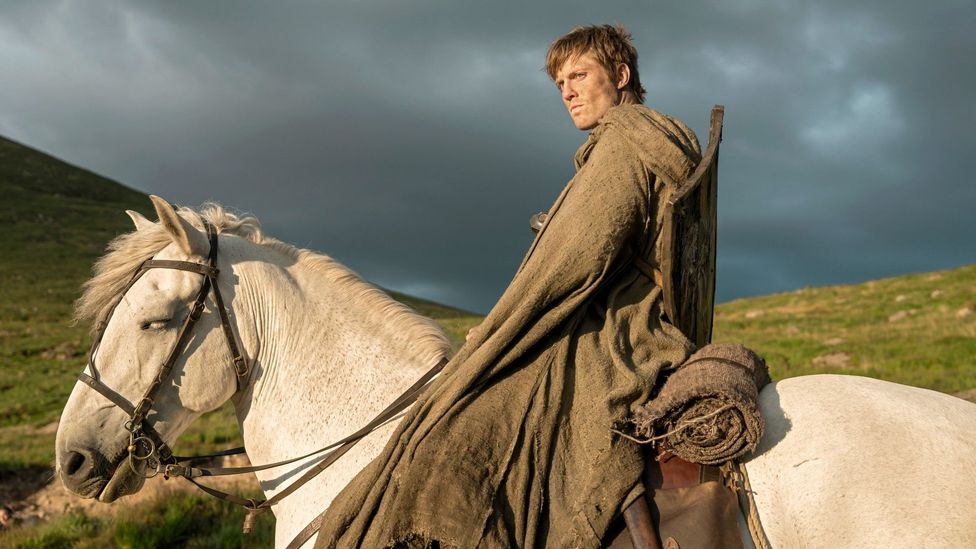
If you go into A Knight of the Seven Kingdoms expecting another chessboard full of schemers, Episode 1 makes its point fast: this story lives down in the mud with the regular people. “The Hedge Knight” opens with Ser Arlan of Pennytree dead in the cold, and Dunk doing the most unglamorous farewell imaginable. It is quiet, raw, and honestly kind of sad. Then the show immediately undercuts the usual prestige fantasy vibe with a blunt reminder that Dunk is not a prince or a legend, he’s a broke traveler trying to survive.
That tone choice is the episode’s mission statement. Westeros is still Westeros, but the camera is finally hanging out with someone who is not built for politics. Dunk is huge, earnest, and painfully straightforward. He wants to do the right thing because he thinks that is what a knight is supposed to be. Not because it’s good PR. Not because it helps him climb. Because he believes it.
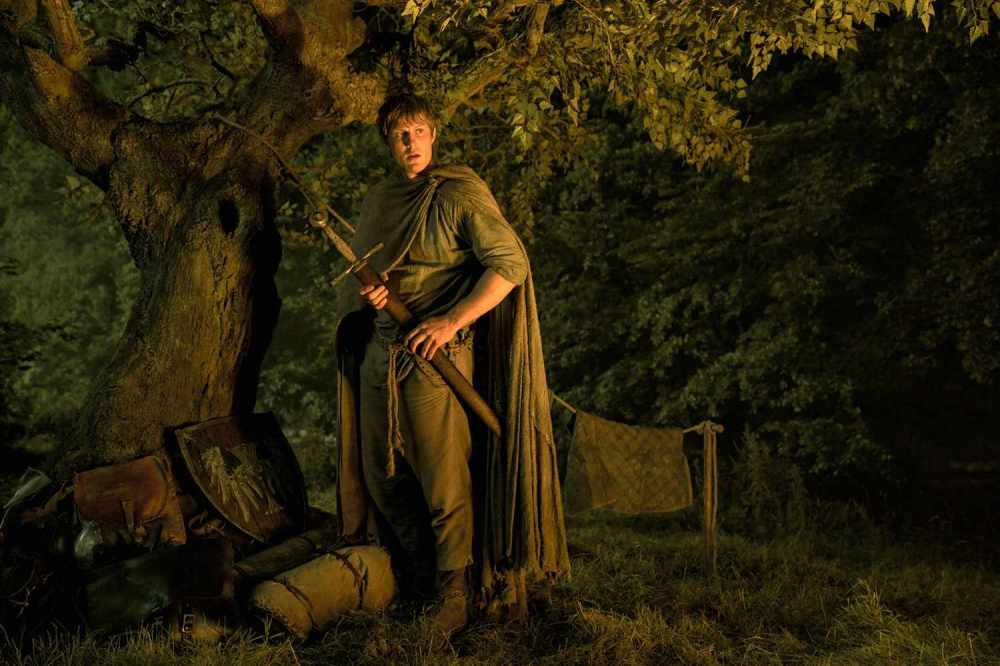
Dunk Feels Like a Real Person, Not a Myth
Peter Claffey’s Dunk works because he never plays him as a “chosen one.” The performance leans into Dunk’s awkwardness and naïve optimism without making him a joke. He is capable, but he’s also clearly out of his depth the second he gets anywhere near knights with money, banners, and entourages.
The episode keeps circling one simple question: what actually makes someone a knight? Dunk is carrying a name, armor, and a sword, but he is also carrying doubt. The show does not rush to smooth that over. It sits in the discomfort, and that gives the premiere real emotional texture. Dunk is trying to become “Ser Duncan the Tall” before he even believes he deserves the title.
Egg Is the Best Kind of Trouble
Egg shows up like a problem Dunk does not need and cannot avoid. Dexter Sol Ansell plays him with that sharp mix of confidence and restraint that makes you instantly suspicious in a fun way. Egg is too composed, too informed, and too comfortable speaking to Dunk like they are on the same level. The premiere smartly keeps the mystery on a leash. It lets the audience connect the dots without turning the episode into a neon sign that screams “twist.”
Their dynamic clicks fast. Dunk is the blunt instrument with a conscience. Egg is the clever kid who seems to know more than he should. Together, they immediately feel like a duo built for a series that wants heart more than shock value.
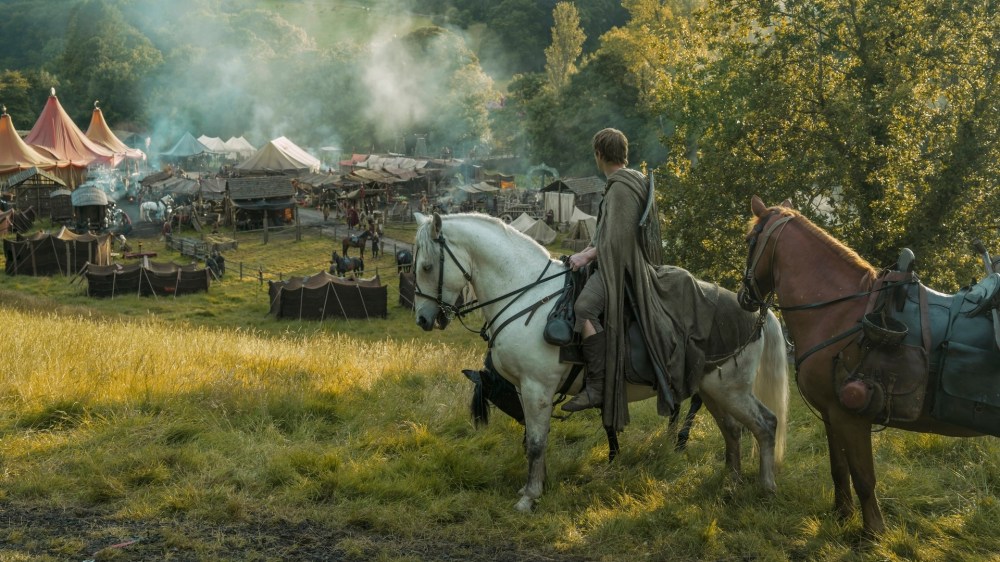
Ashford Meadow Sets Up a Tournament Arc With Teeth
Once Dunk reaches Ashford, the show starts laying down the social ecosystem that will fuel the season. The Fossoways are a great early example: one cousin is an entitled bully, the other is a decent kid just trying to survive the same power games. You can already feel how quickly “a small tourney” can turn into something dangerous when pride, status, and grudges get involved.
The best introduction in the episode, though, is Lyonel Baratheon, the Laughing Storm. The show presents him as pure momentum: loud, charismatic, and instantly drawn to Dunk because Dunk is the only person in the tent who is not performing for him. Their scenes are some of the premiere’s most rewatchable moments because they capture something Game of Thrones rarely let itself do: uncomplicated fun that still feels like it belongs in this world.
The Dragon Dream Thread Is a Smart Bridge to Bigger Lore
The episode also plants a lore hook without letting it swallow the story. Prince Daeron’s dragon dream adds an ominous layer that longtime fans will take seriously, but it is delivered in a way that still works if you are not deep in the mythology. It is a clean reminder that even in a “small” Westeros story, history and prophecy are always lurking.
What Makes the Premiere Work
“The Hedge Knight” succeeds because it is confident in being smaller. It does not try to manufacture instant civil war stakes. It builds investment the old-fashioned way: character, chemistry, and a setting that feels lived-in. The humor helps too, especially because it is not trying to be modern or self-aware. It is the kind of comedy that comes naturally from someone like Dunk stumbling through life with no money and no patience for nonsense.
Most importantly, the premiere earns its emotion. Dunk burying Arlan is not just plot. It is the starting line for a guy trying to build a new identity in a world that is happy to chew up anyone without a famous name behind them.
If the rest of the season keeps this balance, heart up front, lore in the background, and consequences slowly tightening like a noose, A Knight of the Seven Kingdoms might end up being the most rewatchable Westeros show we have gotten in a long time.


 gfpods.com
Leave a comment