The biggest Star Wars leadership shift in more than a decade is official, and it says a lot about where Lucasfilm is headed next.
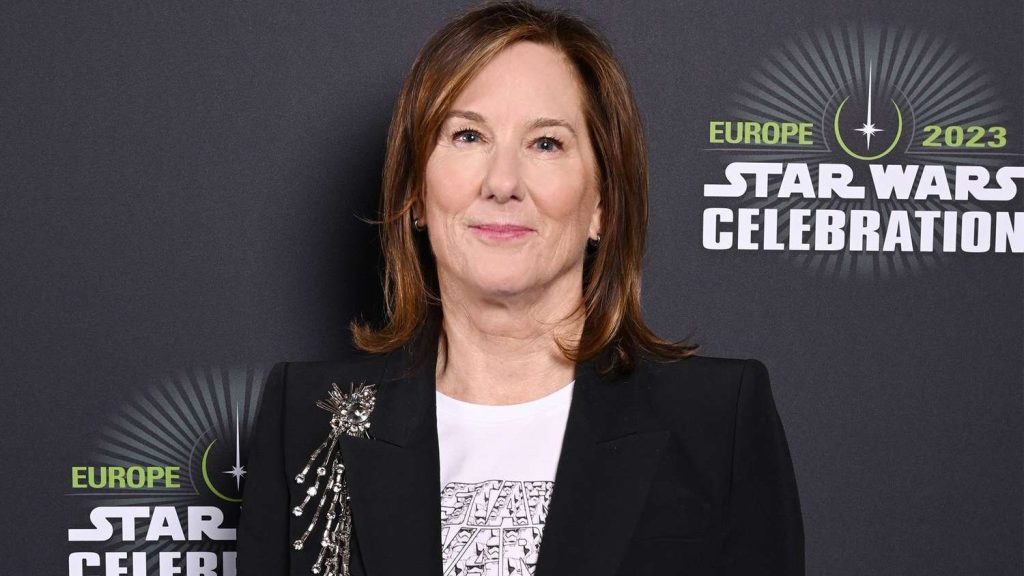
Kathleen Kennedy is stepping down as president of Lucasfilm after nearly 14 years in the role, with the studio confirming she will move back into producing full-time. The announcement, dated January 15, 2026, marks the end of an era that basically defined the modern Disney-owned version of Star Wars, for better and for worse.
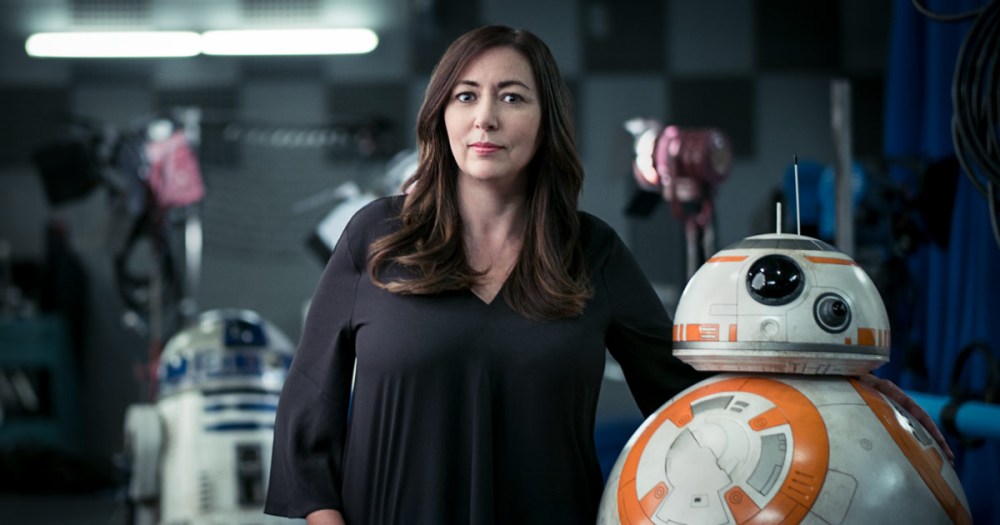
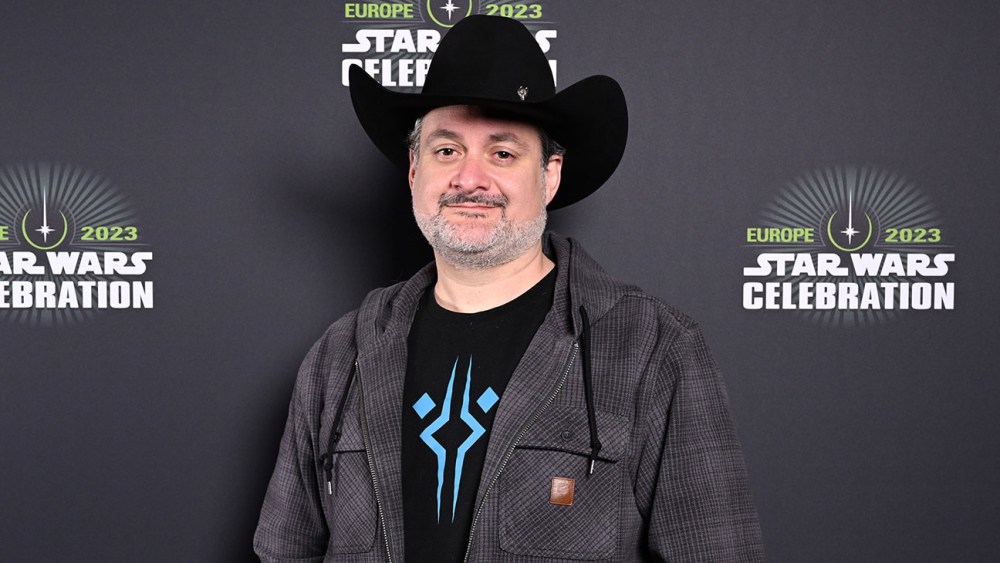
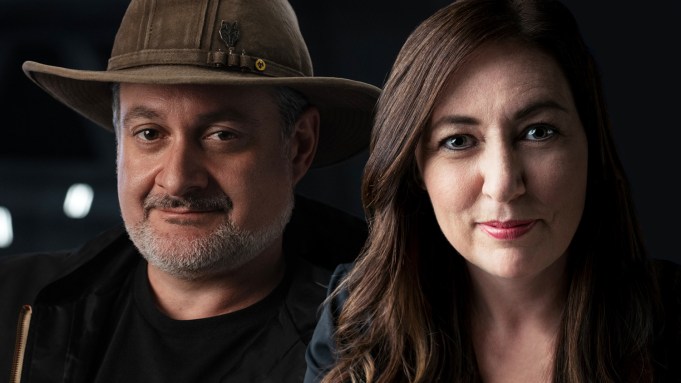
The succession plan is a two-lane setup. Dave Filoni will lead the studio as President and Chief Creative Officer, overseeing the creative direction across film, television, and animation. Lynwen Brennan will serve as Co-President, overseeing the business and operational side of the company. If you have watched how Lucasfilm has operated the last several years, this structure feels like the clearest signal yet that Disney wants creative stability and production discipline working in tandem, not in competition.
What’s Changing, And What Isn’t
Kennedy stepping aside does not mean she is disappearing from Lucasfilm. The official announcement makes it clear she will continue producing, including upcoming feature films already in motion. That matters, because this is not framed as a hard break or a public falling out. It reads like a planned handoff, with Kennedy staying close enough to help land the next phase.
What does change is where the buck stops day to day. Filoni moving into the president role, paired with the Chief Creative Officer title, formalizes something fans have felt for years: he has been one of the central architects of Star Wars in the Disney+ era. Under this structure, the creative lane is clearly defined, and it gives Filoni the authority to align the different corners of the franchise, whether that is theatrical films, live action series, animation, or whatever comes next.
Brennan’s co-president role is equally important, even if it gets less fan chatter. Lucasfilm is not just a creative shop. It is also a machine that has to ship big projects on schedule, manage budgets, and coordinate across Disney’s larger ecosystem. A co-president focused on operations is a pretty direct response to the one critique that has haunted Lucasfilm’s theatrical plans for years: too many starts, stops, and resets.
Kennedy’s Lucasfilm Era, In Plain Terms
Kennedy’s tenure has been one of extremes. On the film side, she oversaw the sequel trilogy that reignited Star Wars as a box office juggernaut, plus Rogue One, which has only grown in reputation over time. It was also an era where fan divisions got louder, expectations got sharper, and every decision became a referendum on what Star Wars “should” be.
On the TV side, the story looks very different. The Disney+ era became a real expansion point for the franchise, with major wins that proved Star Wars could thrive outside the trilogy format. Series like The Mandalorian and Andor did not just add content; they reshaped how audiences interact with Star Wars and how Disney positions the brand year-round.
That dual legacy is why this change is going to spark a lot of takes. But the honest read is that Kennedy’s job was never simple. She inherited a once-in-a-generation franchise, inside a corporate environment, with a fanbase that treats every creative swing like it is personal. Some choices worked, some did not, and plenty of projects lived in development limbo. Still, the franchise is bigger now than it was when she took over, and that did not happen by accident.
Why Filoni Makes Sense Here
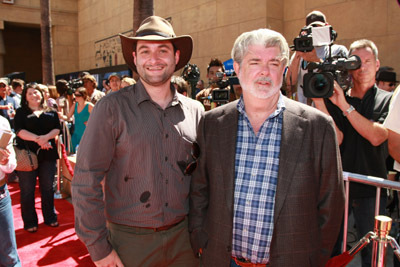
Filoni has long been the bridge between eras. He worked closely with George Lucas and built his reputation through animation, then became a key player in the live-action push. He also represents continuity. For fans who want Star Wars to feel more connected and more consistent in tone, Filoni’s promotion reads like a bet on coherence.
At the same time, Filoni’s creative leadership does not automatically mean every project becomes the exact flavor of Star Wars that a certain part of the fanbase prefers. Being the top creative voice is not the same as being the only voice. The job is bigger than lore connections and familiar characters. It is about choosing the right stories, the right filmmakers, and the right release cadence, then sticking the landing.
What This Could Mean for the Movies
Theatrical Star Wars has been the franchise’s most complicated lane in recent years, so it is fair that this leadership shift immediately raises the “what happens now” question. The near term focus appears to be on getting the next releases out cleanly and rebuilding momentum.
The official announcement points to The Mandalorian and Grogu with a May 22, 2026, release date, and Reuters also notes Star Wars: Starfighter is scheduled for May 2027, with Kennedy continuing as producer. If those dates hold, Lucasfilm gets a straightforward runway to re-establish a predictable theatrical rhythm, instead of the constant “announced then vanished” cycle fans have grown used to.
The bigger question is what kind of slate comes after that. This new structure looks designed to reduce friction between creative development and practical execution. If it works, it could mean fewer public resets, fewer mixed signals, and a clearer sense of what Star Wars movies are supposed to be in the post-sequel era.
The Takeaway
If you are looking for one headline, it is simple: Lucasfilm is handing creative control to Filoni while keeping the business side steady under Brennan, and Kennedy is moving back into a producer role rather than exiting the orbit entirely. That is a deliberate, measured transition, and it feels like Disney is trying to take the temperature down while getting the franchise’s next chapter moving with more confidence.
Now the real test is execution. Fans have heard plenty of plans before. What they want is follow-through.



 gfpods.com
Leave a comment