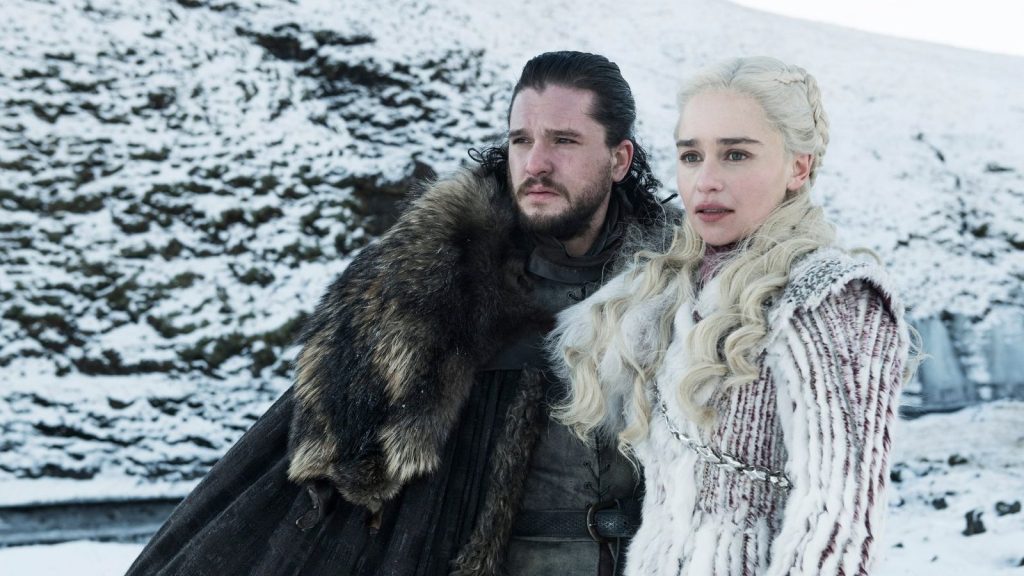
George R.R. Martin has spent years living in a strange contradiction. The world of Westeros has never been bigger, more profitable, or more culturally dominant. At the same time, the story that started it all still does not have its next chapter.
The Hollywood Reporter’s new profile captures that tension in a way that feels unusually candid, not just about the state of his books, but about the business of building Westeros into a modern franchise, the creative tug of war behind House of the Dragon, and why A Knight of the Seven Kingdoms might be the closest thing to “classic Thrones” we have gotten in a while.
Westeros Is Expanding in Every Direction
The profile lays out a Westeros slate that is busy and still growing. House of the Dragon is set to return for season 3 this year. A Knight of the Seven Kingdoms is nearing release, adapting the Dunk and Egg stories. There are also multiple other projects still in development, including a West End stage play called The Iron Throne that will dramatize Robert’s Rebellion.
Then there’s the part that matters for A Song of Ice and Fire fans and franchise watchers alike: the next wave of potential spinoffs. Martin confirms two long-rumored ideas and adds meaningful context to each.
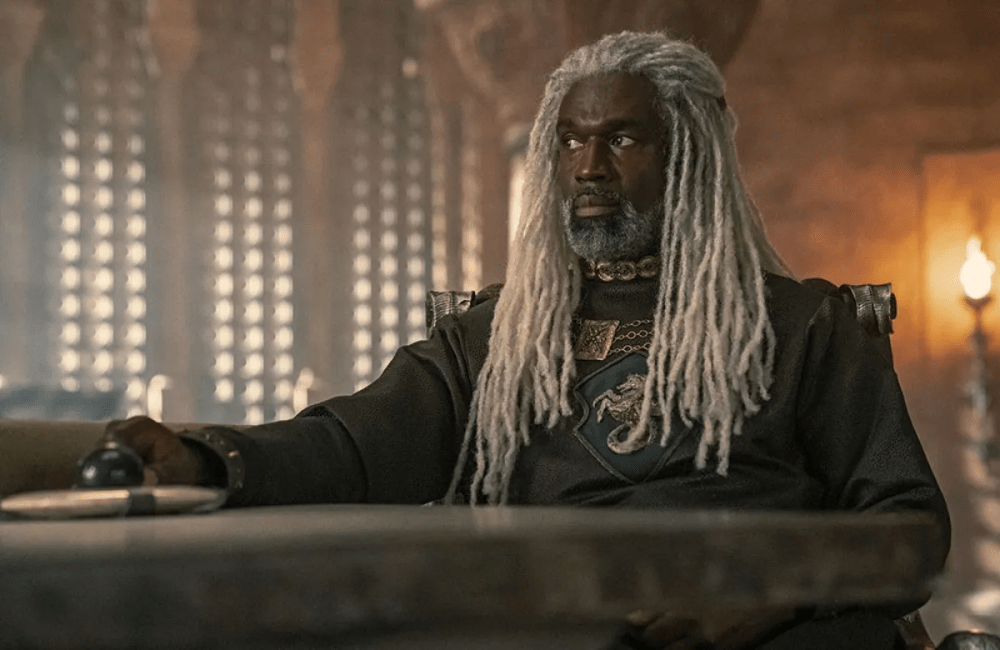
The Sea Snake project, which focused on Corlys Velaryon, has reportedly shifted from live action to animation, with the reasoning framed as cost control.
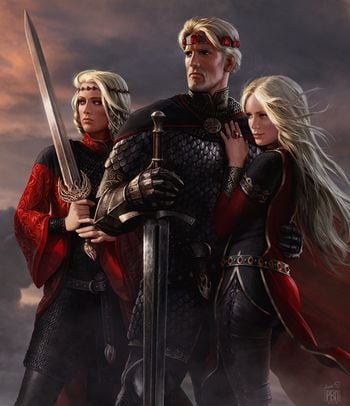
Aegon’s Conquest is the headline for a lot of fans. The article says Aegon Targaryen’s Conquest is being developed in two lanes at once. HBO is exploring it as a possible drama series, while the Warner Bros film team is also developing it as a massive feature described as “Dune-sized.” That framing matters because it signals two different ambitions. The series version would likely live in politics, perspective, and long-term consequences. The movie version would have to land as a full-scale war epic with dragons as the centerpiece.
A Knight of the Seven Kingdoms Sounds Like a Smart Reset
One of the most interesting parts of the profile is how it positions A Knight of the Seven Kingdoms as a deliberate budget and tone pivot.
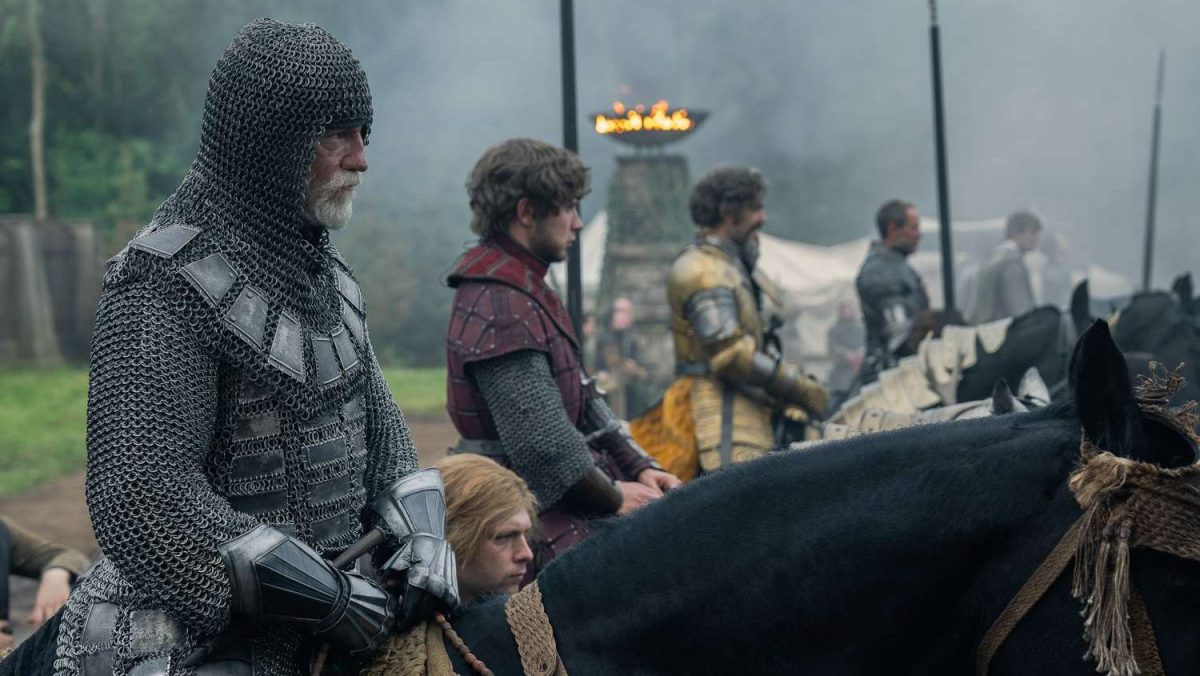
Martin is blunt about why HBO wanted it: a Westeros show where the budget stays under control. He contrasts it with House of the Dragon’s cost, and he underscores that Dunk and Egg does not need giant battles or constant spectacle. It’s tents, horses, and character tension.
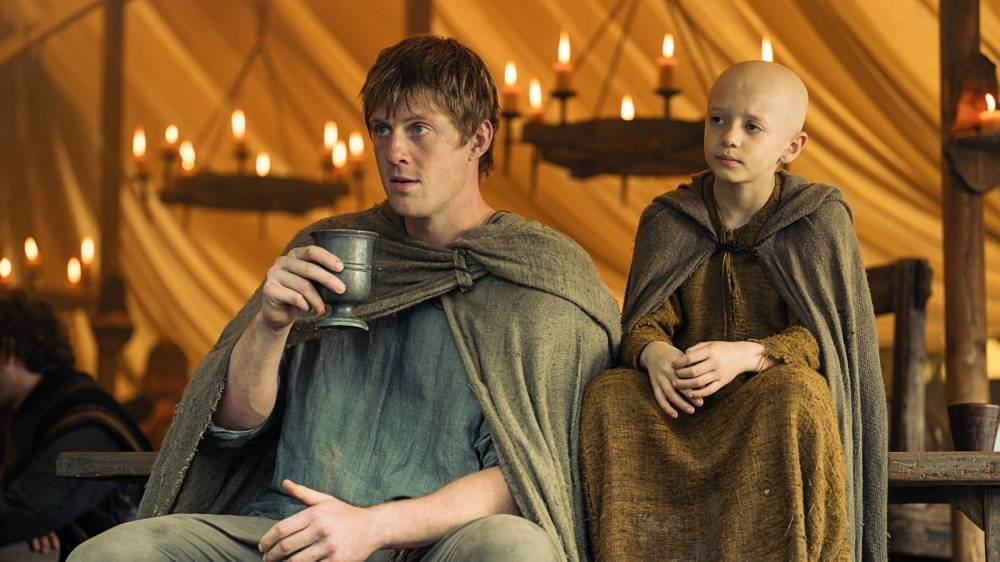
That smaller scope does not mean smaller stakes. The article sells the appeal clearly: it’s a two-hander pairing story, like some of Thrones’ best dynamics, with humor and heart alongside real danger. Martin also seems genuinely happy with season one, praising the casting and showrunner Ira Parker’s priorities.
There’s also a familiar wrinkle. The long-term runway depends on Martin writing more Dunk and Egg stories. He admits he has only written three novellas, even though he has many more in his head. He says he began writing two new ones recently, one set in Winterfell and one in the Riverlands.
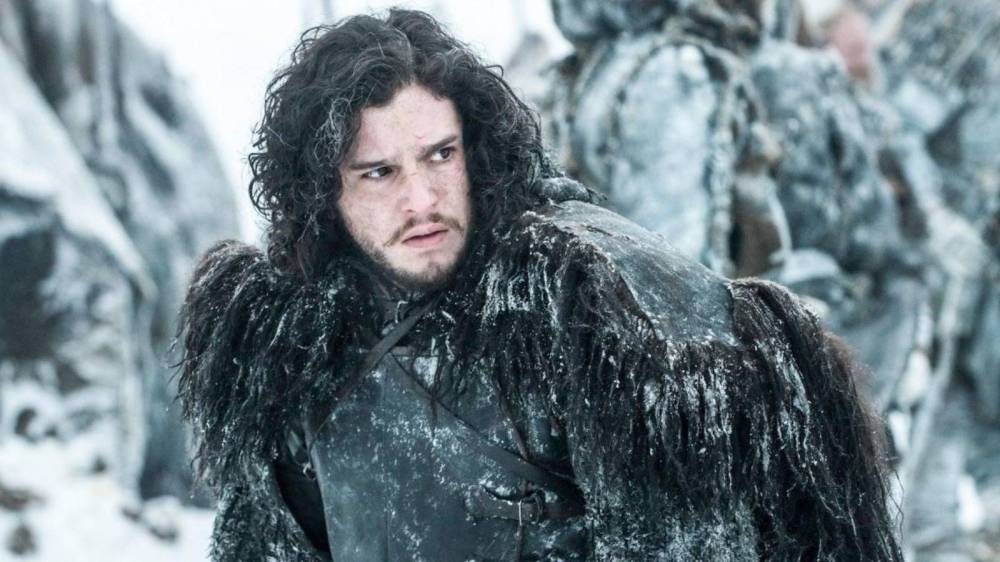
The Jon Snow Sequel Might Be Back, but It’s Not Close
The article also revisits the scrapped Jon Snow sequel, and it includes enough detail to understand why HBO hesitated.
Kit Harington’s early concept leaned into a deeply broken Jon, living with PTSD, rejecting heroism, and even flirting with an ending where Jon dies. HBO reportedly found that direction too bleak.
Now the profile says a new writer may be involved in reviving the idea, and one possibility is shifting the story to Essos and bringing Arya into the mix. The key phrase here is “very early development.” No actors are attached, and the article points out that Harington has recently said he does not want to return to the character.
Why I Recommend Reading the Full Piece
If you care about Westeros in any form, this is worth your time.
It’s not just a development roundup. It’s a rare, clear snapshot of Martin as both the creator of a generation-defining fantasy saga and the reluctant CEO of a sprawling entertainment kingdom. It connects the spinoff strategy to the human cost of unfinished work, and it gives you a grounded sense of what’s real, what’s still early, and what’s complicated behind the scenes.
Most importantly, it frames Aegon’s Conquest in a way that actually clarifies the current ambition: HBO thinking series, Warner Bros thinking theatrical scale. That alone makes it one of the more consequential Westeros updates we’ve had in a while.

 gfpods.com
Leave a comment