
Marvel fans have been conditioned to treat trailers like puzzle boxes, but the recent “Avengers: Doomsday” teaser rollout has taken that habit to the next level. A theory circulating online claims the teasers are hiding a recurring code that is not random at all. Instead, the numbers may line up as timestamps for specific Avengers: Endgame scenes, all tied to the Time Heist and the Infinity Stones.
This theory was popularized in a breakdown by Michael Roman from the Everything Always channel (credit where it’s due), and it is the kind of idea that makes you want to open Disney+ and start scrubbing through Endgame immediately.
What Fans Think They Found in the Teasers
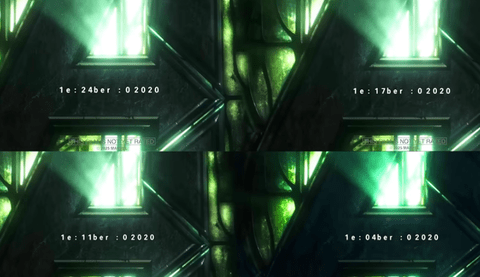
The hook is simple: each teaser contains a coded timestamp near the end, and the sequence appears to be counting down. The transcript calls out four codes from four different preview trailers:
- 1E 24 B 02020 (Steve Rogers-focused teaser)
- 1E 17 B 02020 (Thor-focused teaser)
- 1E 11 B 02020 (X-Men-focused teaser)
- 1E 04 B 02020 (the fourth teaser referenced as Wakanda and Fantastic Four)
At first glance, it looks like marketing flavor, like a stylized countdown embedded into the “Doomsday Clock” concept. But the theory argues that the codes are more than aesthetic. They are signposts.
The Endgame Timestamp Theory
Here’s where it gets fun. Fans took those codes and treated them like timestamps for Avengers: Endgame, lining them up against specific scenes during the Time Heist. The claim is not just that they match moments from the movie, but that the matched moments collectively reference all six Infinity Stones.
Timestamp 1: The Ancient One Warns Hulk About the Time Stone
1E 24 B 02020 is said to align with the scene where the Ancient One explains to Bruce Banner what happens if an Infinity Stone is removed from its timeline. It’s a scene built around consequences and responsibility, and it directly revolves around the Time Stone.
If you’re trying to hint that a ticking clock started years ago, this is exactly the kind of scene you would point to.
Timestamp 2: Avengers Tower, Loki, and Two Stones in One Moment
1E 17 B 02020 is linked to the Avengers Tower sequence where Loki is captured, and the moment spirals toward the Tesseract escape. The theory originally caught traction because Loki is now such a central multiverse figure, but the cleaner argument is this: that sequence has two stones in play at once, the Mind Stone (in the scepter) and the Space Stone (the Tesseract).
One timestamp, one scene, two stones.
Timestamp 3: Asgard and the Reality Stone Setup
1E 11 B 02020 is matched to the Time Heist stop in Asgard, where Thor and Rocket discuss the plan to take the Reality Stone. This one fits neatly, since the scene is explicitly framed around the stone and what it takes to extract it.
Timestamp 4: Space Talk That Sits Between Power and Soul
1E 04 B 02020 is placed in the stretch where Rocket and Ant-Man are discussing the cosmic logistics of the mission. In the transcript, the key detail is that the moment sits right around the conversation about the Power Stone, and right before the discussion shifts to the Soul Stone on Vormir.
If you buy that placement, four timestamps across four teasers would collectively gesture at all six stones.
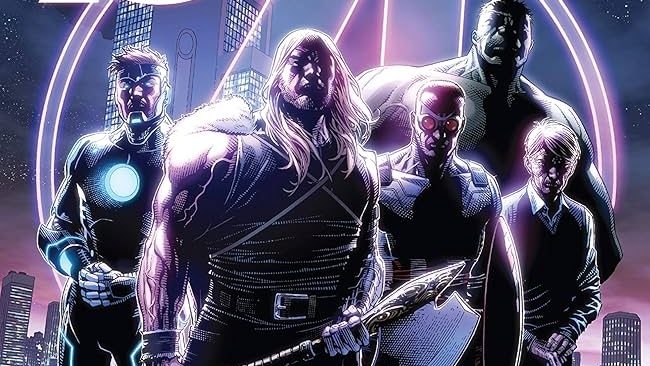
Why This Theory Has Legs
Even if you’re skeptical, there are a few reasons this idea keeps sticking.
First, Endgame is the MCU’s “fault line” movie. It’s the story where heroes do something unprecedented, steal cosmic artifacts out of time, and then try to put the universe back together like nothing happened. That is exactly the sort of narrative decision that can be retroactively framed as the moment the clock started ticking.
Second, the MCU has already made “multiverse instability” a recurring threat. Incursions, collapsing realities, branches rubbing against each other, and all the “we did this to ourselves” energy is already baked into the last few phases. If Doomsday is meant to feel like the bill coming due, pointing back at the Time Heist makes thematic sense.
Third, it matches Marvel’s favorite kind of mischief. Not a spoiler, not a full reveal, but a breadcrumb that gets the community talking, rewatching, and arguing in comment sections.
The Big Leap: What It Could Mean for Doomsday and Doctor Doom
The transcript’s larger implication is that these codes are not just referencing Endgame for nostalgia. They are framing Endgame as the origin point for what “Doomsday” becomes.
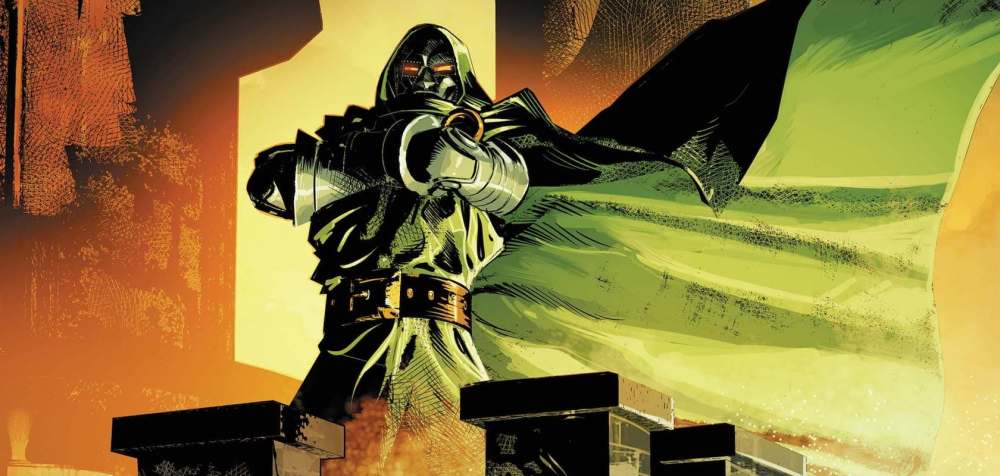
If the Time Heist is the true start of the Doomsday Clock, then the villain’s rise (Doctor Doom, in whatever form the MCU chooses) becomes a consequence rather than a coincidence. Not “a new threat appeared,” but “we created the conditions for the worst-case scenario.”
The theory also nods at the long-running debate around Steve Rogers’ ending and whether his choice to live out a full life could have created ripples. Even if you do not buy that specific angle, it still circles back to the same core point: none of that happens without the Time Heist.
Or It’s Just Synchronicity, and That Might Be the Point
There’s a healthy counterargument here, and the original breakdown acknowledges it. Humans are pattern-finding machines. If you give a fandom numbers, they’ll line them up with something. If you give them a clock, they’ll search for what it’s counting down to.
So yes, it could be a coincidence, clever editing, or a marketing flourish that fans are over-reading. But even if it is, it’s doing its job. It’s getting people to revisit Endgame with fresh eyes, and it’s reframing the Time Heist as something that might not feel heroic in hindsight.
And if “Avengers: Doomsday” is about consequences, that tone shift might be the real clue hiding in plain sight.








 gfpods.com
Leave a comment