Magic: The Gathering is heading into 2026 with a packed calendar: seven major releases across the year, split between three in-universe sets and four Universes Beyond crossovers. That mix is going to keep the conversation going all year, because it is not just “more Magic.” It is a very specific kind of Magic, one that’s clearly trying to balance longtime players who want the Multiverse front and center with newer fans who show up for a big crossover and stick around.
Wizards have also framed 2026 as a one-off “extra set” year, with a return to a six-set cadence in 2027. So if 2025 felt busy, 2026 is very much the follow-up season.
MTG 2026 Sets at a Glance
January 23, 2026: Lorwyn Eclipsed
March 6, 2026: Universes Beyond: Teenage Mutant Ninja Turtles
April 2026: Secrets of Strixhaven
June 2026: Universes Beyond: Marvel Super Heroes
August 2026: Universes Beyond: The Hobbit
October 2026: Reality Fracture
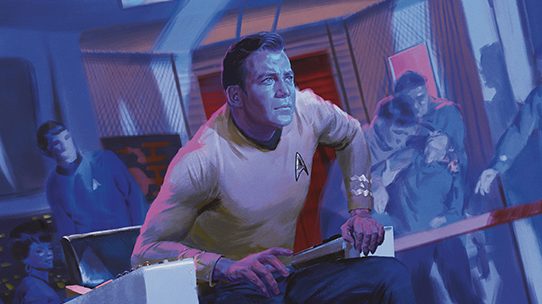
November 2026: Universes Beyond: Star Trek
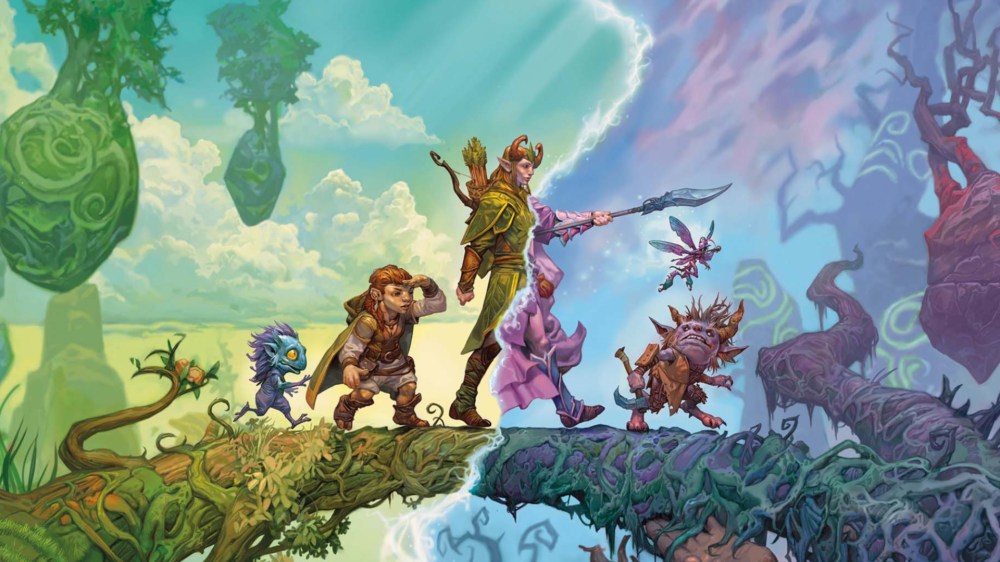
January 2026: Lorwyn Eclipsed Kicks Things Off
The year opens with a return to Lorwyn, which is an immediate signal that Wizards still knows how to push the “we hear you” button for people who miss classic planes. It is also arriving with a noticeable product focus: Commander decks are in the mix, and Lorwyn Eclipsed is introducing the Draft Night Box as part of the broader release strategy.
If you are the kind of player who prefers Magic when it feels like Magic, this is the set you probably have circled first.

March 2026: Teenage Mutant Ninja Turtles Goes Co-Op
The first Universes Beyond release of the year is Teenage Mutant Ninja Turtles, and it is not just reskins and references. Wizards is leaning into a co-op angle with a Turtle Team-Up product that’s built around playing together against an enemy deck. That is a very different pitch from “buy this because you recognize the IP,” and it is the kind of experiment that could actually pull in brand-new players who are more interested in the experience than the format debates.

April 2026: Secrets of Strixhaven Returns to Arcavios
Strixhaven is back in April, and Wizards has already tied it to a companion YA novel, Strixhaven: Omens of Chaos by Seanan McGuire. That matters because it hints at a bigger story push, not just a set with cool spell themes. Strixhaven has always been a strong setting for personality-driven cards and standout characters, so if you like Magic when it has a clear vibe and a clear identity, this is the in-universe release most likely to surprise people.
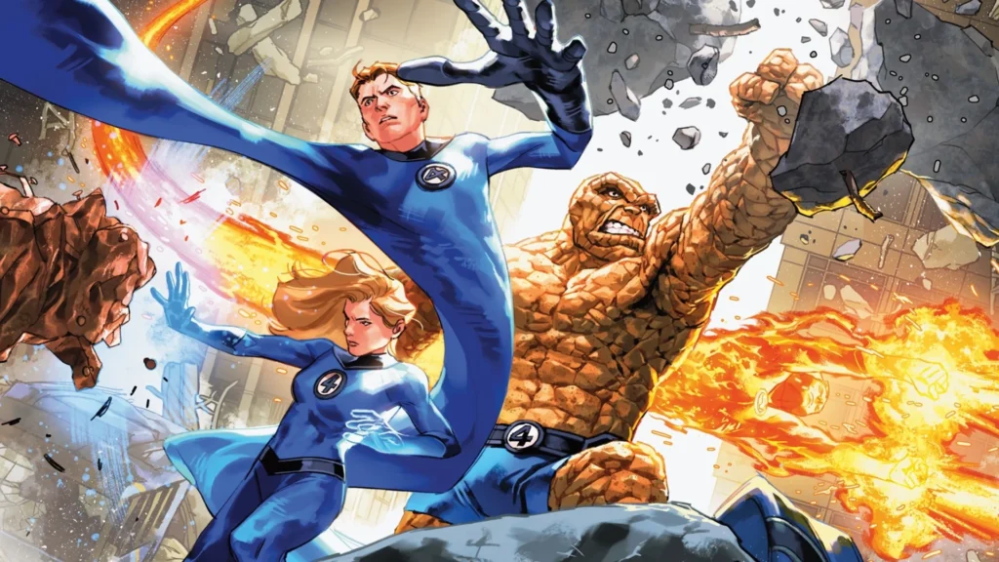
June 2026: Marvel Super Heroes Expands the Crossover Footprint
After the Spider-Man release last year, the broader Marvel roster is getting the full spotlight in June with Marvel Super Heroes. The obvious upside is range: more heroes, more villains, more recognizable archetypes to build around, and more entry points for casual fans. The challenge is making it feel like a real Magic set and not just a checklist of characters.
If Wizards lands the mechanics and theme cohesion, this could be the kind of release that keeps Commander tables busy for months. If not, it becomes another “cool cards, weird set” footnote.

August 2026: The Hobbit Heads Back to Middle-earth
Lord of the Rings proved that Middle-earth fits Magic’s tone better than most crossovers, and The Hobbit has a clear built-in structure for cards: a journey, a party, iconic set pieces, and one very obvious dragon-shaped marketing opportunity. This is the summer set that feels like the safest bet to satisfy both camps, the crossover fans and the “does this still feel like Magic?” crowd.
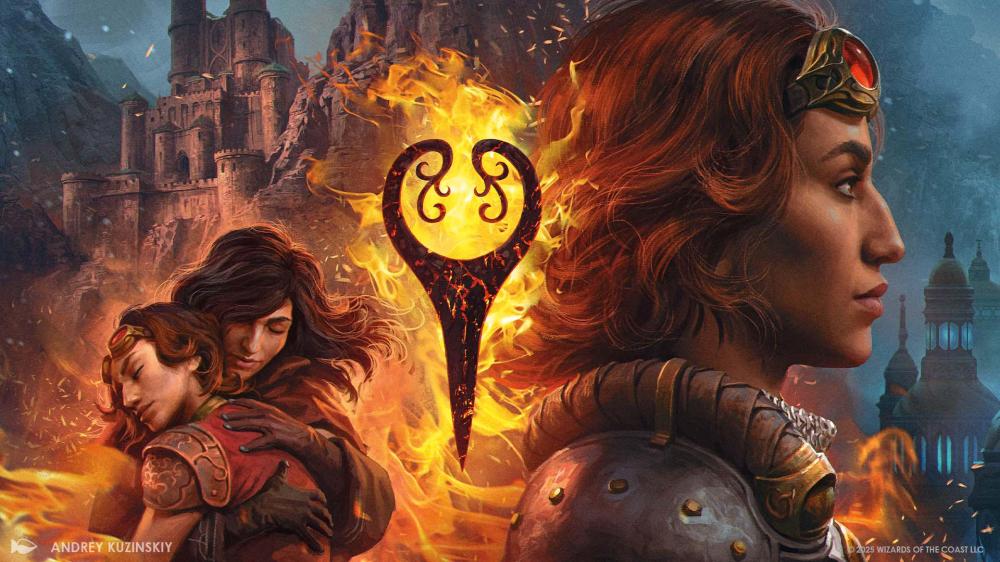
October 2026: Reality Fracture Aims for Big Story Payoff
Reality Fracture is positioned as the late-year in-universe event set, and Wizards has teased it as something players have wanted for a long time, with story threads calling back to recent arcs. October is where the Multiverse side of Magic gets a chance to reclaim the spotlight before the final crossover wave hits.
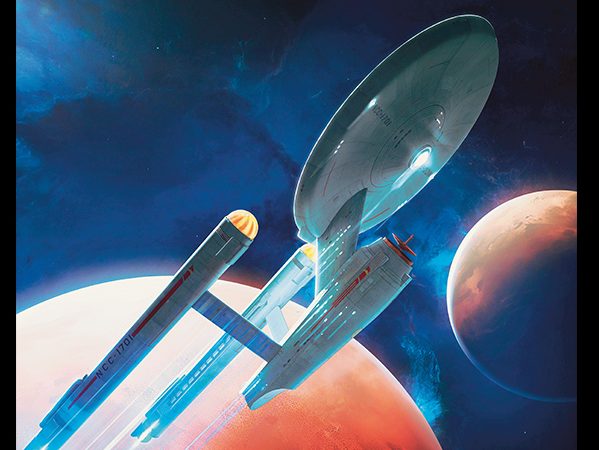
November 2026: Star Trek Closes the Year
Star Trek is the last set of the year, and Wizards is treating it as a full-franchise celebration. It is also the fourth Universes Beyond release in 2026, which makes the bigger trend hard to ignore: crossovers are not a side dish anymore, they are a core pillar of the annual release plan.
What the 2026 Schedule Really Says
Seven sets in a year is already a lot of oxygen, and the 4-to-3 split in favor of Universes Beyond makes it pretty clear where Wizards sees growth. The smart version of this plan looks like: keep the core fans fed with Lorwyn, Strixhaven, and Reality Fracture, then use the crossovers to bring in new blood and fund bigger swings.
The risky version is fatigue. Not because people hate Universes Beyond, plenty of people love it, but because the calendar can start to feel like you are always being asked to keep up. The best-case scenario is that Wizards uses 2026 to prove it can do both: big tent crossover moments and in-universe sets that actually feel essential.








 gfpods.com
Leave a comment