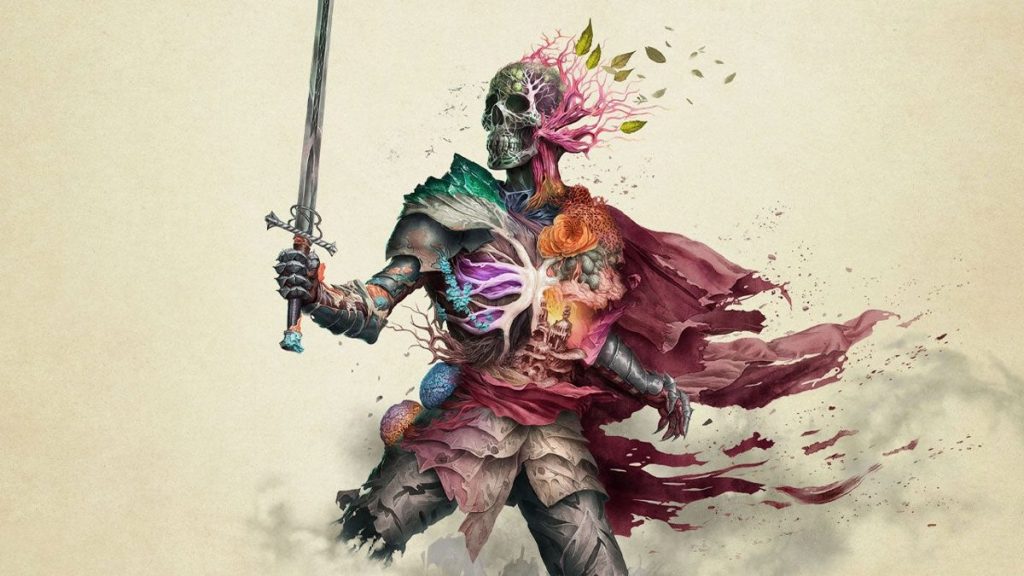
Avowed is officially making the jump to PlayStation 5 on February 17, with Obsidian timing the release alongside the game’s promised anniversary update across platforms. If you’ve been waiting to check it out outside the Xbox and PC ecosystem, this is basically the “new season” moment.
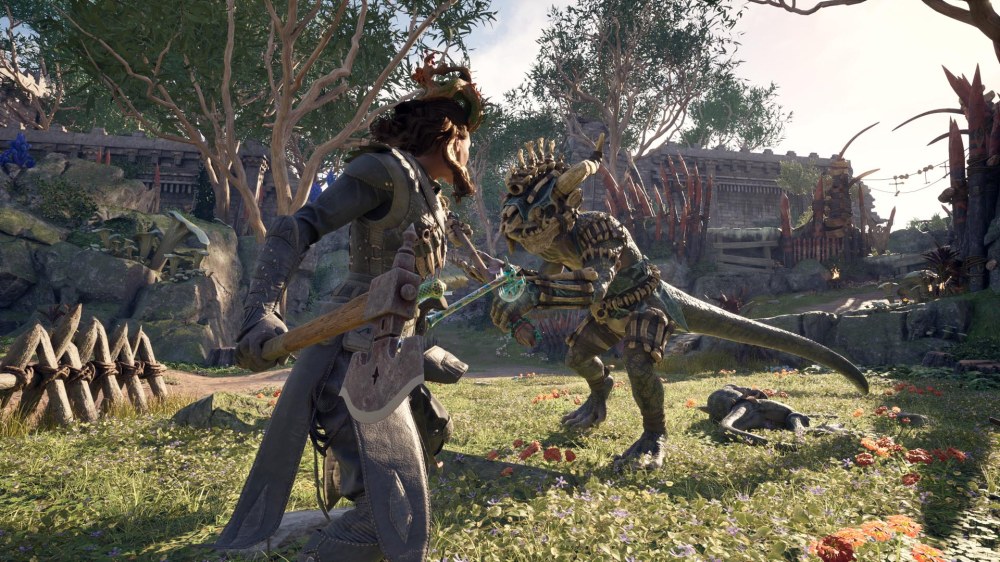
The anniversary update is packed with the kinds of quality of life upgrades that usually show up after a year of player feedback. Obsidian says it includes New Game Plus, a Photo Mode, three new playable races (Aumaua, Orlan, and Dwarves), a new weapon type, and the ability to change your appearance while you’re out in the world, plus a bunch of other improvements. The update is free if you already own the game elsewhere, and PS5 preorders are going live now.
Critical reception for Avowed has been solid but not untouchable. One of the more common takes is that the game’s writing and worldbuilding are its strongest hooks, while the overall adventure can feel a little “safe” compared to what some people expect from Obsidian.
The Growing List of Xbox-Published Games on PlayStation
Avowed’s PS5 launch is the latest example of Microsoft treating PlayStation less like a forbidden zone and more like a second storefront. Over the last couple of years, we’ve already seen multiple Microsoft-owned or Xbox-published titles land on PS5, including smaller prestige releases and big mainstream hits.
A quick snapshot of notable arrivals includes Pentiment, Hi-Fi RUSH, Grounded, and Sea of Thieves, followed by larger “this would’ve sounded impossible a few years ago” moves like Forza Horizon 5. Microsoft has also expanded its presence with strategy and legacy brands on PS5, including Age of Mythology: Retold and Age of Empires II: Definitive Edition.
And the pipeline does not look like it’s slowing down. Recent sales-chart chatter has even shown Microsoft-published games turning into meaningful business on PlayStation in the U.S., which helps explain why the company keeps leaning in.
What This Means for the Industry
This shift is one of the clearest signs yet that the traditional exclusivity era is changing shape. Not disappearing completely, but getting a lot more flexible.
For Microsoft, the logic is straightforward: AAA budgets are huge, and the PS5 audience is massive. Putting first-party games on PlayStation turns a “one platform” release into a wider revenue play, and it gives titles a second wave of attention when the PS launch hits. It also quietly pushes the idea that Xbox is less a box under your TV and more a publishing label plus a services ecosystem.
For players, it’s mostly a win. More people get access to the same games, and communities stay healthier when they aren’t split across hardware lines. The trade-off is that we’re starting to see more account linking and cross-platform infrastructure become normal, even in places where it used to feel optional.
For Sony (and the wider market), this adds an interesting wrinkle: if Microsoft keeps feeding PlayStation a steady stream of high-quality releases, competition shifts away from “who has the game” and toward “where do you want to play it, and what perks come with that choice.” That puts more pressure on subscriptions, pricing, hardware value, and platform features, instead of relying purely on exclusives as the main lever.
And zooming out, this trend could influence how other publishers plan releases. If Microsoft can prove that launching on rival platforms strengthens the business without killing the home ecosystem, it becomes harder for the industry to treat exclusivity as the default. Even Xbox leadership has publicly framed old-school exclusivity thinking as outdated, which lines up with what we’re seeing play out in real time.








 gfpods.com
Leave a comment