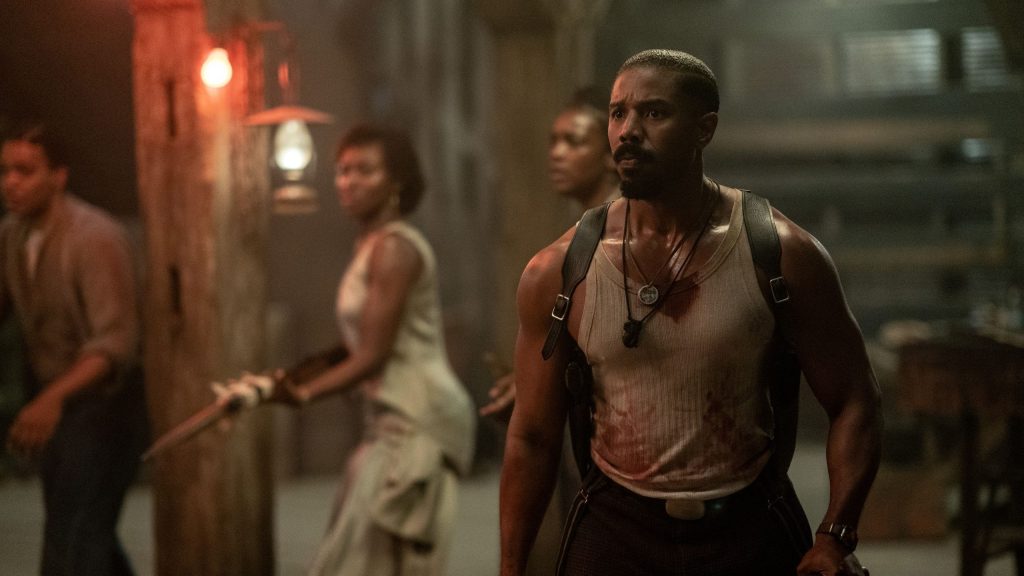
If you’ve seen the “17 days” number flying around, here’s what people are reacting to: a new report says Netflix may want future Warner Bros theatrical releases to play exclusively in theaters for about 17 days before they become available at home, potentially on Netflix.
That is a massive shift from what most moviegoers think of as a “normal” theatrical run, and it’s exactly why theater owners are sounding the alarm.

What’s Actually Being Reported
Multiple outlets are pointing back to industry sourcing that frames Netflix as being “proponents” of a 17-day theatrical exclusivity window for Warner Bros films once the acquisition is finalized. Seventeen days is basically three weekends in theaters. For a lot of releases, that would mean your local multiplex gets the big opening push and then, right when word of mouth would normally carry the movie into week four and beyond, the movie is already on the couch.
It’s important to keep the framing straight: this is not being presented as a finalized policy carved into stone. It’s being discussed as what Netflix would prefer and what the exhibitor side fears Netflix will push for.
What Netflix Is Saying Publicly
On the record, Netflix has been doing the opposite of stirring panic.
Netflix executives have publicly emphasized a commitment to theatrical releases for Warner Bros films, using language like “traditional” or “industry-standard” windows and positioning theatrical as part of Warner Bros’ existing value. Netflix has also messaged employees that, after the deal closes, the company will be “in that business” (the theatrical business), which is a notable shift for a company that historically treated theaters as optional.
So we’re stuck in a familiar Hollywood gap: the public assurance says “we’re committed,” while the industry chatter says “yeah, but committed for how long?”

Why 17 Days Hits a Nerve
Seventeen days is not a random number. It represents a very specific version of the post-2020 movie economy: get a few weekends of urgency, then move the title to home viewing fast.
For theaters, the problem is not just losing a couple extra weeks. It’s what those weeks do:
- They build momentum. Not every movie opens huge. Plenty of films live on steady legs, repeat viewings, and “I heard it’s good, let’s go this weekend.”
- They stabilize programming. If the biggest studio titles rotate out faster, theaters either become even more dependent on the next tentpole or they scramble to fill screens with smaller titles that may not be supported with marketing.
- They change the audience’s habits. If people learn that “waiting two weeks” is the new normal, the default behavior becomes waiting, not going.
And from a fan perspective, it’s a weird tradeoff. You’d get access sooner at home, but you also get fewer chances to catch a film in a packed crowd after the opening-weekend rush. That matters for big communal titles, especially the Warner Bros stuff that’s built to play huge.
What Theaters Want Instead
The exhibition side has been pushing hard for longer exclusivity, with 45 days frequently cited as the baseline they want the industry to rally around. That’s not a nostalgic “bring back the 90-day window” argument. It’s more like: give movies a predictable runway so theaters can actually operate like theaters again.
Cinema United (the trade group formerly known as the National Association of Theatre Owners) has been especially aggressive about the Netflix-Warner Bros situation, calling the proposed acquisition an “unprecedented threat” and warning it could hurt consumers, theater owners, and the broader industry if Netflix doesn’t commit to a meaningful theatrical strategy.
That’s obviously a self-interested perspective, but it’s also a clear signal: the theater side is treating this as an existential fight, not a minor policy tweak.
The Extra Twist: Netflix Has Been Testing Theatrical Anyway
What makes this story more complicated is that Netflix has been experimenting with theatrical releases and theatrical “events” more than people give it credit for, especially when there’s marketing value or cultural impact.
The recent Stranger Things finale screenings are a good example of Netflix and theaters finding a way to work together at scale, generating real money for exhibitors even with a non-traditional setup. Moments like that make it easier to believe Netflix when it says it understands the value of theaters.
But it also raises the question: does Netflix see theaters as a true second pillar of the business, or as a short, high-impact promotional stage before the main product lands on the platform?
That’s why the window is everything. “We’ll release movies in theaters” can mean wildly different things depending on whether “theaters” means three weekends or two months.
What Happens Next
A few things can be true at the same time:
- Netflix can honestly believe it’s protecting Warner Bros’ theatrical value while still wanting shorter windows than theaters prefer.
- Theaters can be right that a 17-day standard would train audiences to wait.
- Studios can argue that different films need different strategies, and a single one-size window is unrealistic.
If the deal proceeds, the eventual window policy is likely to come down to leverage: what theaters are willing to book, what Netflix is willing to concede, and how much Warner Bros’ existing relationships and filmmaker expectations constrain Netflix’s choices.
Either way, this is not a minor behind-the-scenes industry debate. If Netflix ends up controlling one of Hollywood’s most important theatrical studios, the “window” decision could reshape how long big movies even exist as “theatrical movies” in the first place.






 gfpods.com
Leave a comment