
Spoiler warning for Stranger Things Season 5, Episode 8, “The Rightside Up.”
One of the sneakiest curveballs in the Stranger Things series finale is not a death, a reveal, or a big hero moment. It is a briefcase.
Late in the final episode, we’re dropped into Henry Creel’s most defining memory: the moment his life stopped being “a troubled kid in the desert” and started becoming the origin story of Vecna. The scene is framed like a psychological horror flashback, but it plays more like a missing puzzle piece the show has been keeping in its back pocket for years. Young Henry attacks a dying scientist in the caves, takes the man’s briefcase, and opens it. Inside is a strange rock that glows with an unfamiliar energy. The rock does not just sit there like a cursed artifact. It bonds with Henry, and the memory makes it clear this is the turning point. This is how Henry becomes connected to the Mind Flayer, and how everything that happens in Hawkins eventually gets set in motion.
For a split second, the show stops being about the Upside Down as a place and becomes about the Upside Down as an infection.

What the Rock Actually Is (and Why It Matters)
Netflix has already clarified the basic answer: the rock contains Mind Flayer particles. When Henry opens the case, those particles effectively claim him. The scene even gives it a voice, with the Mind Flayer luring him in, while the scientist’s final warning is basically a last, desperate attempt to stop a kid from becoming a weapon.
That confirmation is big for two reasons.
First, it reframes Henry’s relationship to the Mind Flayer. The show has always played with the question of control: is Vecna commanding the hive mind, or is he just the sharpest knife in someone else’s drawer? The briefcase scene suggests the connection is not symbolic or gradual. It is a direct contamination event. Henry doesn’t slowly stumble into darkness. He is tagged.
Second, it turns the rock into a story engine. It is not just a finale stinger. It is a tangible object with an origin, a chain of custody, and implied history in the human world. If Mind Flayer particles were already being carried around in a briefcase, that means somebody found them, contained them, studied them, and tried to move them. Which raises the obvious question: how did any of that happen before Hawkins became ground zero?
The Duffers Say the Spinoff Is Where the Answers Live
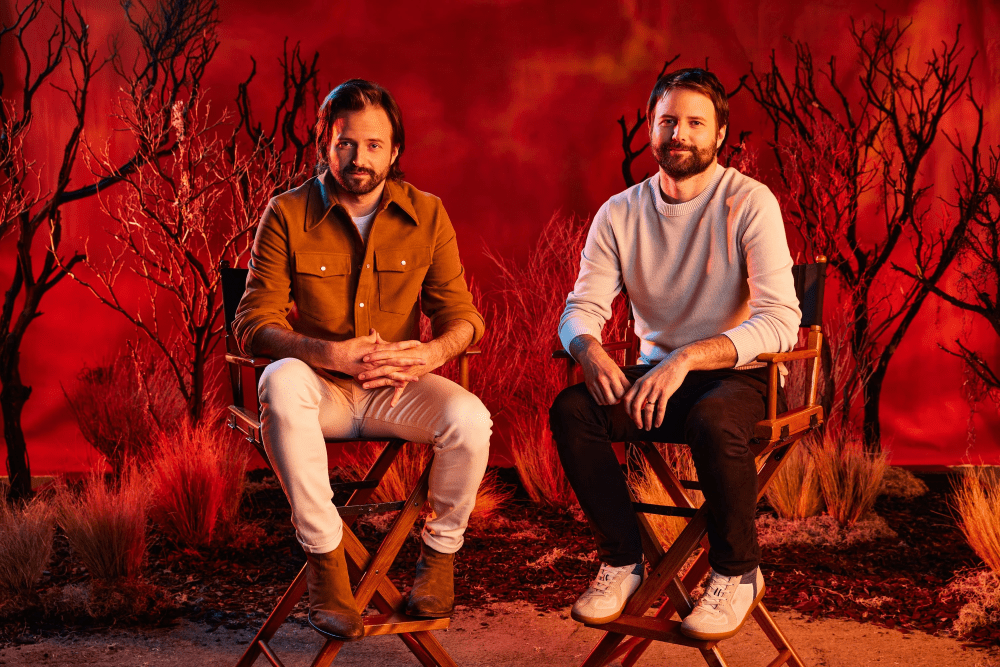
In post-finale interviews, Matt and Ross Duffer have been pretty direct about what comes next. The planned live-action spinoff is set up to explain the briefcase rock and tie off other lingering threads, but they’re also stressing that it is not a simple extension of the main show.
Their pitch is basically: answers, yes. Same sandbox, yes. Same rulebook, no.
They’ve described the new series as a clean slate with a different mythology, new characters, and a new setting. They’ve also said there will be no shared characters with the original show. That detail is important because it sets expectations. This is not “Season 6 but in disguise,” and it is not a nostalgia tour where someone from Hawkins shows up to wink at the camera. If the spinoff is going to explain the rock, it has to do it by widening the world, not shrinking back into the same cast.
So if you were hoping for a follow-up where Steve is now the small-town sheriff and Dustin runs RadioShack, that does not sound like the plan.
How The First Shadow Fits Into the Briefcase Mystery
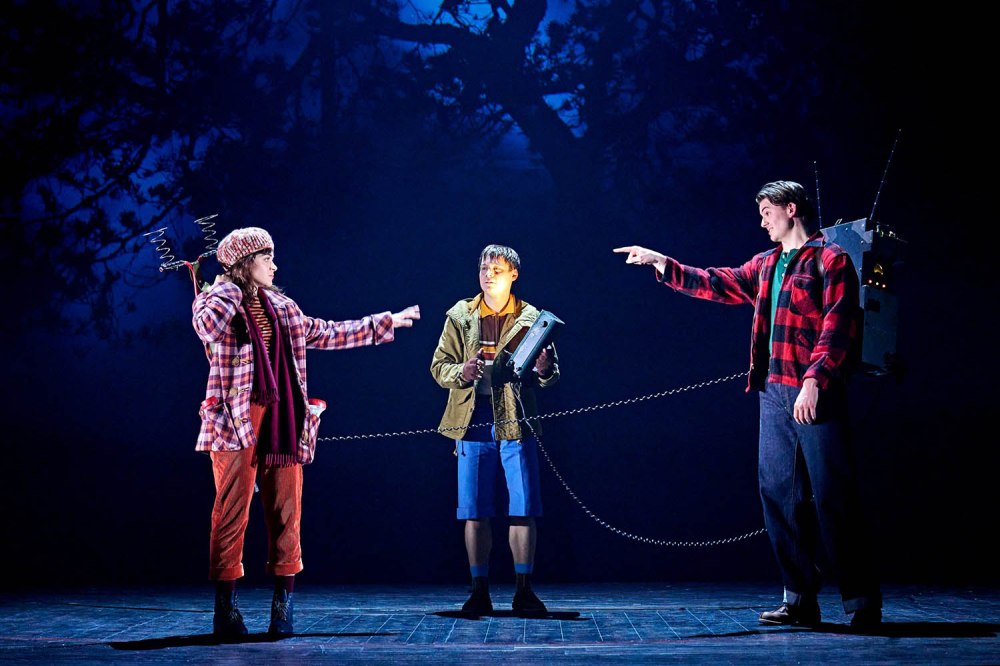
If you have been following the canon beyond the TV series, the stage play Stranger Things: The First Shadow already lays groundwork that helps this briefcase moment click into place.
The play functions like a mythology primer. It connects Henry’s past to government experimentation and early contact with the other dimension long before the Hawkins kids ever rolled dice in Mike’s basement. It also frames Dimension X as something people blundered into through dangerous experiments, not something that “started” with Hawkins Lab as we knew it.
This matters because the finale’s briefcase scene introduces a very specific idea: whatever was in that case was portable. Someone brought it here, or tried to bring it here, or stole it. That fits neatly with the play’s larger theme of human beings messing with doors they do not understand, then scrambling to contain the fallout.
The finale also makes the unnamed scientist feel like the tip of a much larger spear. He is not dressed or positioned like a random explorer. He looks like someone on a mission, someone who knows what’s in that case and is terrified of it. That implies infrastructure. Not just a monster, but a program.
What the Spinoff Could Look Like (Without Guessing Too Wildly)
We do not have a release window yet, and we do not have a title, cast, or setting. But we do have enough to make a grounded guess about the shape of the story.
If the spinoff is meant to explain how Mind Flayer particles ended up in a briefcase in the human world, then it almost has to live in the space where secrecy thrives: military projects, classified research, early containment efforts, and the kind of people who would risk moving something like that in the first place. That could mean an earlier decade, a different town, and a new group of characters whose entire job is to keep the public from ever learning what Hawkins learned the hard way.
And because the Duffers are calling it a new mythology, it might not spend much time on the Mind Flayer as a character at all. It could focus on the human systems that allowed that contamination event to happen, and the ripple effects that existed outside the Hawkins bubble.
In other words: less “monster of the week,” more “how did the world almost get infected before we even knew there was an infection.”
Two Spinoffs, Two Very Different Missions
It is also worth separating Netflix’s two big spinoff lanes.
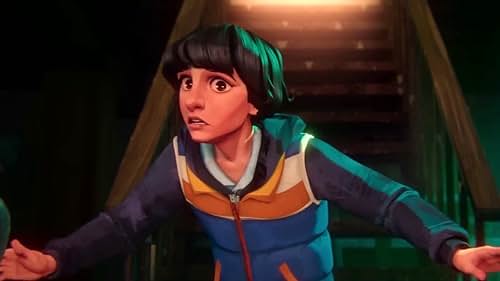
One is Stranger Things: Tales From ’85, an animated series set between Seasons 2 and 3, with the original crew facing a new paranormal problem in Hawkins. That one sounds like it is built for classic Stranger Things fun: kids, monsters, mystery, and an era where the characters can still be kids.
The other is the unnamed live-action spinoff tied to the briefcase rock. Based on everything said so far, that show is positioned as the “expand the universe” play. Not a side quest. More like opening a new book in the same library.
If Tales From ’85 is for fans who want more time with the characters, the live-action spinoff sounds like it is for fans who want the mythos to keep growing without undoing the ending we just got.
Why This Is a Smart Thread to Pull
For a finale, the briefcase rock is a clever kind of loose end. It does not cheapen the ending, because it is not a “gotcha, the villain is alive” move. It is a lore hinge. It points backward, not forward. It deepens the origin rather than extending the timeline.
And as a launch point for a spinoff, it is even smarter, because it gives the new show something specific to solve. Not “what happens next,” but “what was really happening all along.” That is the kind of question that can support new characters and a new town without forcing the original cast to return.
Now it just comes down to execution. If the spinoff can answer the rock mystery while building a fresh story that stands on its own, Netflix gets the best of both worlds: closure for the original series, and a new entry point for viewers who are late to the party.




 gfpods.com
Leave a comment