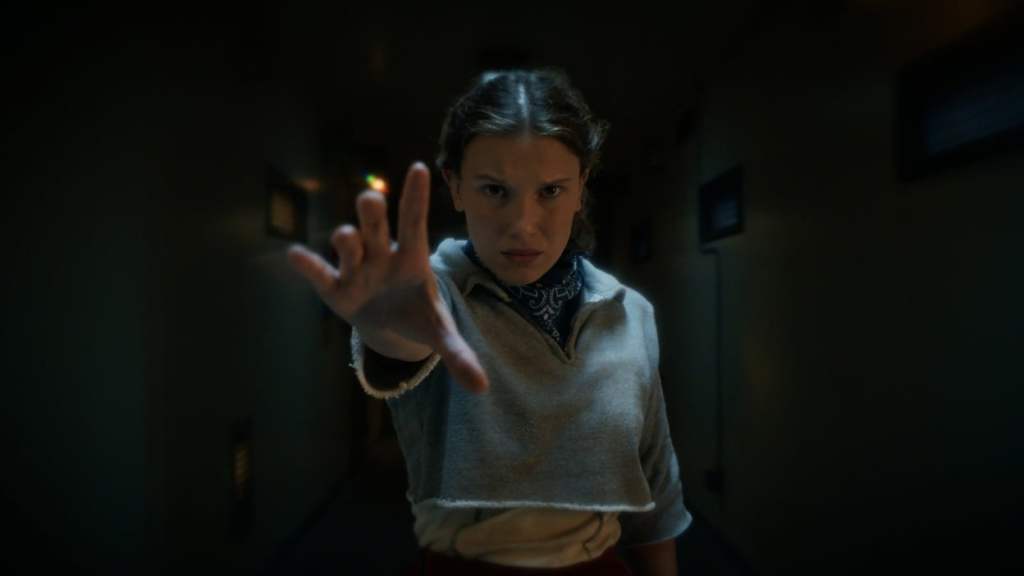
Full spoilers ahead for the Stranger Things series finale and Season 5.
The smartest thing the Stranger Things finale does is remember what the show actually is. Not a mythology puzzle box. Not a “who’s dying next” bloodbath. It’s a coming-of-age story that happens to be wrapped in teeth, slime, and the kind of suburban nightmare fuel you only get when your world is still small enough to fit inside a bike ride.
So when Episode 8, “The Rightside Up,” swings back to a Dungeons & Dragons table to close the series, it does not feel like a cute callback. It feels like the thesis. Childhood ends. The party splits. Somebody else takes a turn behind the screen. And the thing that mattered was never the stat sheet, it was the people at the table.

The Finale Goes Big, But It Knows Who It’s About
The last episode is basically two finales stitched together: an all-hands, endgame battle against Vecna and the Mind Flayer, then a long exhale that lets you sit with what that kind of fight costs. The action portion is huge in scope, but it’s built like a group project. Everyone has a job, and the show actually commits to that idea instead of letting it become background noise while the “chosen one” does everything.
That structure pays off because it makes the finale feel communal, which is the only honest way to end Stranger Things. This was always an ensemble show, even when it occasionally pretended it wasn’t.
The Abyss, the Pain Tree, and a Proper Final Boss
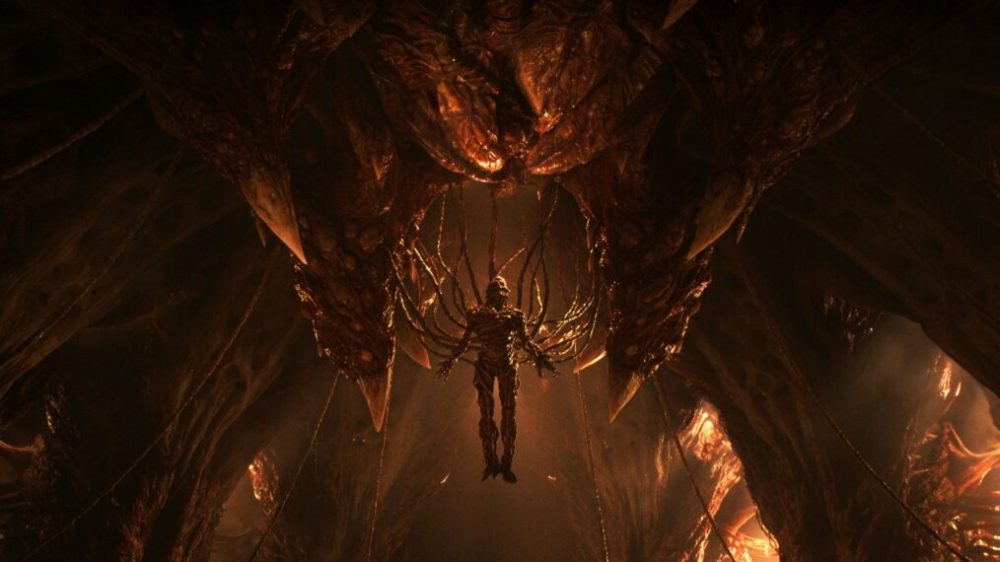
Season 5 pushes the mythology outward with the Abyss and the revelation that the Upside Down is not just a spooky parallel world but part of something bigger and meaner. The finale brings that cosmic scale right down into something tactile: the team physically entering the Abyss, finding the Pain Tree, and realizing the nightmare they’ve been chasing is not just some distant, unknowable shadow. It’s a monster with a body.
The reveal that the “Pain Tree” is essentially the Mind Flayer recontextualizes the whole conflict in a way that feels appropriately final. It’s not just Vecna as a villain of the week who got promoted. It’s the show saying, “Here is the thing behind the thing,” then forcing the characters to face it in the most literal way possible.
And the best choice the finale makes in the action is that it stays legible. The sequence has a lot going on, but it rarely loses track of who is doing what or why. That matters because spectacle is cheap if it turns your characters into moving pieces.
Joyce Byers Earns the Last Word
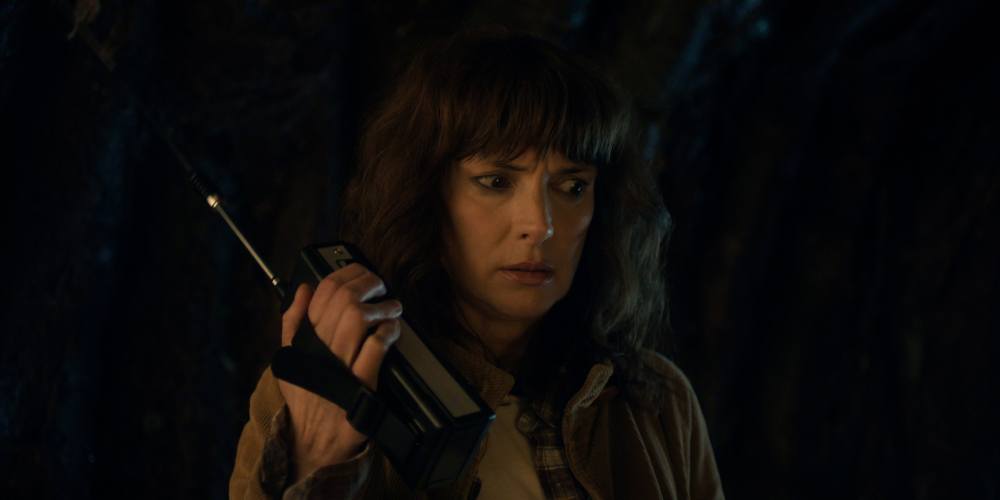
For a show that began with Joyce being dismissed, doubted, and treated like she was unraveling, letting Joyce be the one to end Vecna feels right in a way that’s more satisfying than “surprising.” It’s not fan service. It’s character logic.
Winona Ryder has always played Joyce with that particular kind of frantic clarity, like someone who’s terrified but still the most awake person in the room. Giving her the final blow is the show honoring its own origin story. Hawkins tried to gaslight her from the start. The Upside Down tried to steal her kid. And in the end, she’s the one who gets to say, in the bluntest possible way, that messing with her family was a mistake.
Will Finally Gets Agency Without Turning Into a Plot Device
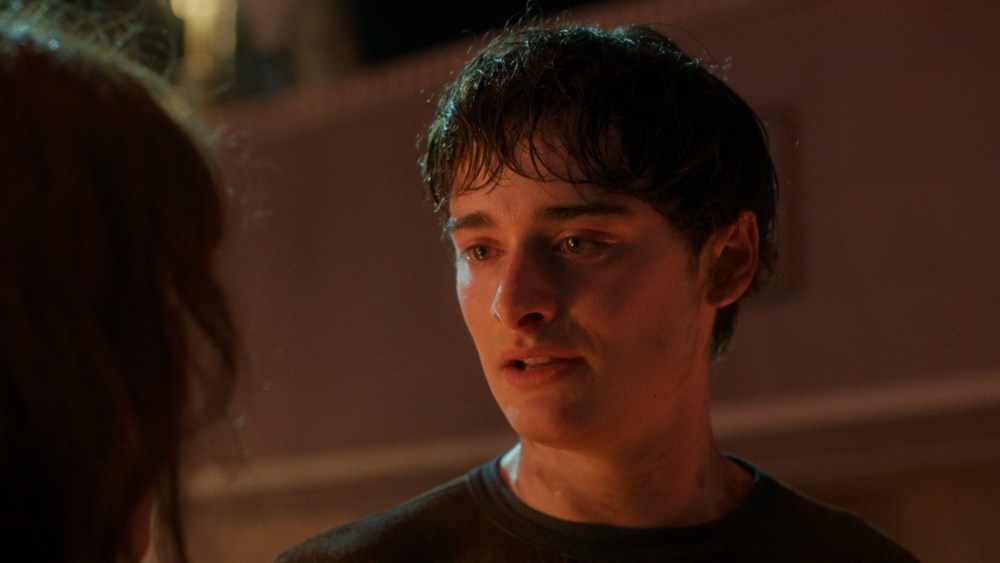
Will’s arc has always been tricky because the show kept using him as a barometer for evil instead of letting him be a person in motion. The finale corrects that by letting Will contribute in a way that’s emotional and active, not just reactive. When he stands up to Vecna and uses what he’s been carrying all these years as a weapon instead of a curse, it lands because it’s been earned over multiple seasons of pain, isolation, and half-spoken fear.
It also quietly answers a lingering frustration: Will doesn’t just “survive the story.” He helps end it.

Eleven’s Ending Works Because It Refuses to Be Easy
Eleven’s story has always been caught between two gravitational pulls: the need to be loved as a person, and the world’s insistence on treating her as a resource. The finale makes her final choice about that tension, and it hurts in the right way.
The ambiguity around her fate is a bold move that actually fits the show’s emotional language. Stranger Things has never been cynical. It’s a show that believes in friendship, in found family, in the idea that love makes people braver than they should be. Leaving Eleven’s ending partly in the hands of that belief feels intentional, not evasive. It’s not asking you to solve a riddle. It’s asking you to choose hope.
And the way it’s framed, through the group back in the basement and the story being told like one last campaign beat, is exactly how this show communicates meaning. Facts matter, but stories matter more.
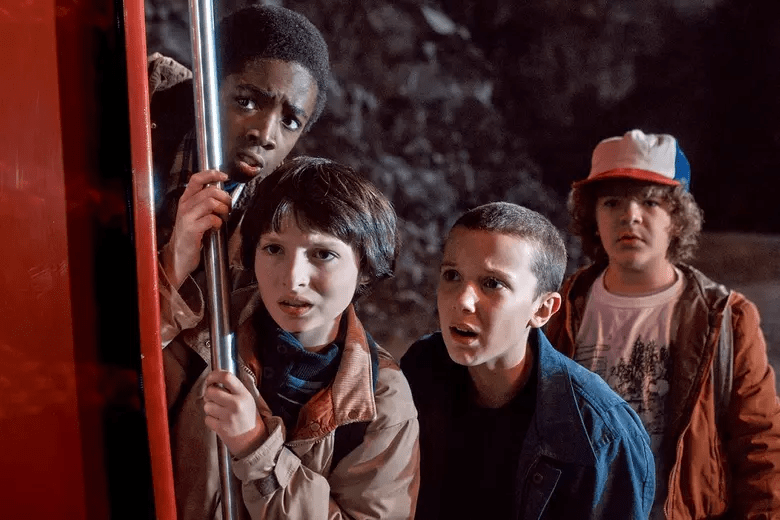
Looking Back at the Series: What Stranger Things Did Better Than Almost Anyone
The legacy of Stranger Things is not just that it brought 80s nostalgia back into the mainstream. Plenty of shows can reference a decade. Stranger Things made that nostalgia feel like a living texture: the bikes, the mall neon, the basement posters, the awkward silences between friends who don’t have the words yet. The show understands that childhood isn’t magical because it’s innocent, it’s magical because everything feels bigger than you.
Across five seasons, the best episodes always did the same trick: they let the supernatural threat amplify a very human fear. Being left behind. Being misunderstood. Losing family. Feeling like your body is changing faster than your life can keep up. Wanting to be seen and not knowing how to ask.
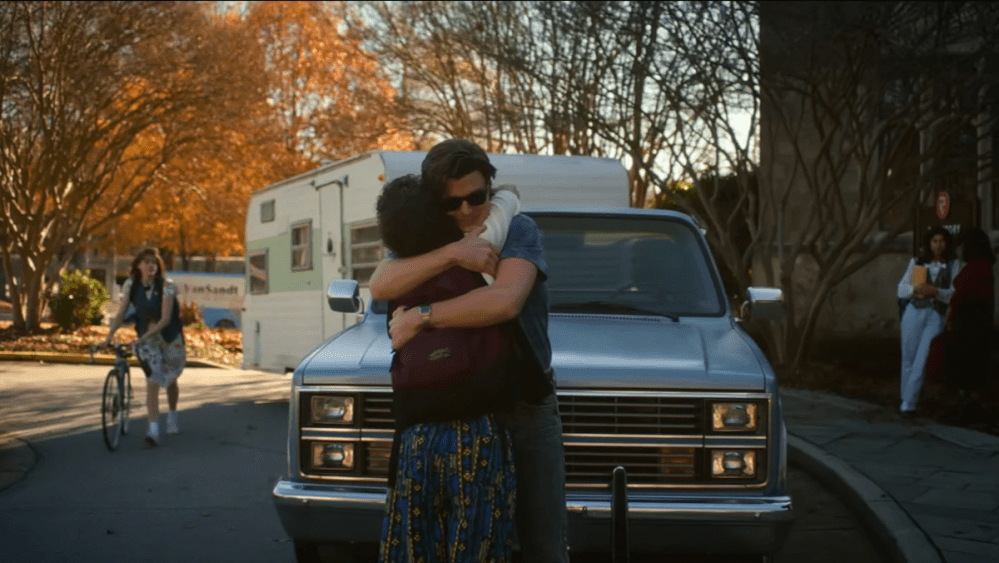
That’s why, even when the show got bigger and louder, the heart never fully disappeared. When it hits, it hits because these characters were allowed to be messy and sincere. Mike’s loyalty, Dustin’s big-hearted humor, Lucas trying to be brave while still wanting to be normal, Max’s armor made of sarcasm and pain, Steve accidentally becoming everyone’s emotional support babysitter, Hopper learning how to live again, Joyce refusing to stop believing. Those are the hooks. The monsters are just the pressure cooker.
Where the Show Still Stumbles, Even at the Finish Line
Even with a strong finale, Stranger Things has always had a bit of a balancing problem: it wants to be an intimate character story and a blockbuster event at the same time. Sometimes it nails that blend. Sometimes it feels like the show is sprinting between tones, trying to keep every plate spinning.
Season 5 largely keeps control, but there are still moments where the mythology wants to explain itself a little too hard, or where the sheer amount of moving parts threatens the emotional simplicity that made Season 1 so potent. The finale avoids the worst version of that trap by anchoring itself in character choices, but you can still feel how heavy the machine has become.
That said, if you are going to end a decade-defining series, there are worse sins than being a little indulgent. Stranger Things earned some sprawl.
The Goodbye Feels Right
What lingers after “The Rightside Up” is not the lore, or the scale, or even the kills. It’s the feeling of a group of kids who saved their town and then had to go back to being people. The show gives them space to step forward, and it lets the audience grieve the way you grieve any real ending: not with a twist, but with time.
It ends how it began. Friends in a basement. Dice on a table. A story being told. And the quiet understanding that the campaign is over, but the love is not.

 gfpods.com
Leave a comment